The Engineering Imperative of Medical Device Battery Packs
In modern healthcare systems, the line between hardware performance and patient safety is invisible. Medical device battery packs are no longer passive power sources; they are active, mission-critical subsystems responsible for sustaining life, maintaining continuous physiological monitoring, and powering high-precision surgical tools. Unlike standard commercial or consumer electronics, medical-grade lithium energy storage systems operate under zero-tolerance thresholds for power interruptions, thermal events, or voltage fluctuations.
Designing custom Medical Device Battery Packs requires a comprehensive approach balancing volumetric energy density, internal impedance, mechanical shock absorption, electromagnetic compatibility (EMC), and stringent international regulatory frameworks. Whether backing up an ICU ventilator during hospital power transfer or energizing a wearable insulin pump for 72 continuous hours, the battery design must guarantee uncompromised reliability across variable environmental conditions.
Critical Technical Distinction: Commercial vs. Medical-Grade Lithium Packs
While commercial battery packs rely on basic single-stage hardware protections, medical battery packs engineered by Emerging Power incorporate dual-redundant hardware protection ICs, smart SMBus/I2C fuel gauging (compliance with SBS v1.1 standards), cell-level thermal barriers, anti-propagation runaway barriers, and medical-grade biocompatible enclosures capable of enduring harsh chemical sterilization (IPA, bleach, Steris).
Core Requirements for Medical-Grade Power Systems
- Redundant Smart Battery Management Systems (BMS): Secondary hardware cutoffs for over-voltage, under-voltage, over-current, and cell temperature anomalies independent of primary software controls.
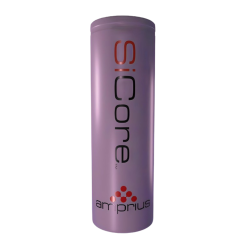
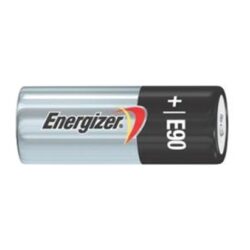
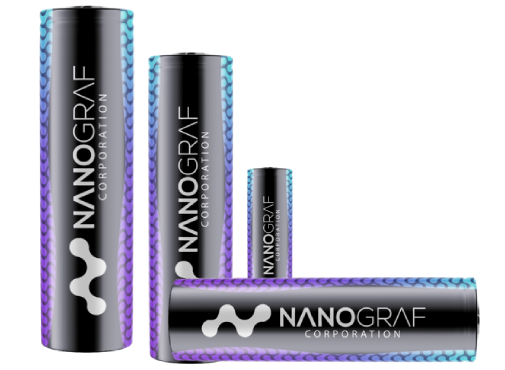
- Certified Cell Selection: Integration of UL 1642 and IEC 62133 certified primary and secondary cells from Tier-1 partners including Energizer, Amprius, and NanoGraf.
- Extended Cycle & Shelf Life: Low self-discharge chemistries maintaining >80% capacity retention over 500 to 2,000+ deep discharge cycles.
- Severe Environment Compliance: Thermal operational bounds ranging from -20°C to +60°C with IP67/IP68 ingress sealing against fluids and bodily contaminants.
Recommended Medical Device Battery Pack Solutions
Emerging Power engineers purpose-built custom battery packs tailored to the unique physical envelope, electrical load profile, and regulatory requirements of OEM device manufacturers. Below are our leading medical power configurations utilized across global clinical environments.
Portable Ventilator & Monitor Battery Pack (Li-Ion 18650 / 21700)
High-discharge, smart rechargeable lithium-ion battery system designed for life-support ventilators, portable defibrillators, and mobile diagnostic carts requiring instant high-peak power delivery.
Nominal Voltage: 14.4V / 25.2V
Capacity Range: 6.8Ah – 15.0Ah (Customizable)
Communication: SMBus v1.1 / I2C / CANBus
Certifications: IEC 62133-2, UL 2054, UN 38.3
Wearable Medical Device Pack (High-Density Silicon Anode)
Utilizing breakthrough NanoGraf 18650-M38 and Amprius high-energy cells, this ultra-lightweight pack delivers maximum run-time for wearable telemetry, infusion pumps, and ambulatory monitors.
Nominal Voltage: 3.6V – 11.1V
Energy Density: Up to 380 Wh/kg / 800 Wh/L
Safety: Thermal fuse + PTC + Micro-BMS
Form Factor: Ultra-thin pouch / Custom 18650
Surgical Robot & Cart Auxiliary Power (Lithium Iron Phosphate - LFP)
Inherently safe LFP (LiFePO4) battery architectures designed for medical work carts, motorized hospital beds, and surgical robotics demanding 2,000+ deep charge cycles and total thermal stability.
Nominal Voltage: 12.8V / 25.6V / 51.2V
Cycle Life: > 3,500 cycles at 80% DoD
Thermal Stability: Up to +70°C without runaway
BMS: Active Balancing + CANopen Telemetry
Primary Lithium Emergency Backup Pack (Li-SOCl2 / Li-MnO2)
Authorized Energizer primary cell custom assemblies offering a 10-year shelf life for AEDs (Automated External Defibrillators), surgical tools, disposable diagnostic sensors, and disaster response kits.
Chemistry: Li-MnO2 / Li-SOCl2 (Primary)
Shelf Life: 10+ Years (<1% self-discharge/yr)
Temp Range: -40°C to +85°C
Certifications: UN 38.3, UL 1642
Comparative Technical Matrix for Medical Battery Chemistries
Selecting the optimal chemistry demands analyzing trade-offs between energy density, lifecycle cost, safety profile, and weight. The matrix below details key metrics for engineering evaluation:
| Battery Chemistry |
Gravimetric Density (Wh/kg) |
Nominal Cell Voltage |
Cycle Life (80% DoD) |
Thermal Safety Profile |
Target Medical Application |
| Lithium-Ion (NMC / NCA) |
220 – 280 Wh/kg |
3.6V – 3.7V |
500 – 1,000 |
High (Requires BMS Protection) |
Ventilators, Defibrillators, Portable X-Ray |
| Silicon-Anode Li-Ion |
350 – 450 Wh/kg |
3.7V – 3.8V |
400 – 800 |
Advanced Thermal Barrier Required |
Wearable Monitors, Ambulation Pumps |
| Lithium Iron Phosphate (LFP) |
140 – 170 Wh/kg |
3.2V |
2,000 – 4,500 |
Exceptional (Inherently Stable) |
Medical Carts, Bed Motors, Surgical Robots |
| Lithium Polymer (LiPo) |
200 – 250 Wh/kg |
3.7V |
500 – 800 |
Moderate (Custom Pouch Enclosure) |
Handheld Surgical Tools, Hearing Diagnostics |
| Lithium Primary (Li-MnO2) |
280 – 350 Wh/kg |
3.0V |
N/A (Single Use) |
High (10-Year Shelf Life) |
AED Backup, Disposable Telemetry Patches |
Need a Custom Medical Battery Architecture?
Talk directly with our senior power engineers in Hackensack, NJ. ISO 13485 design review & preliminary NPI evaluation.
Send an Inquiry
Future Development Trends in Medical Battery Technology
The global medical device sector is undergoing a rapid transition toward miniaturization, continuous wireless patient monitoring, and home-based patient care (Hospital-at-Home movement). These macro shifts place extraordinary demands on next-generation medical battery packs.
1. Silicon-Dominant Anode Integration
Traditional graphite anodes are reaching their theoretical physical limit (~372 mAh/g). Emerging Power is leading the integration of silicon-anode cell architectures (partnering with innovators like Amprius and NanoGraf) that achieve anode capacities exceeding 1,000 mAh/g. This technological leap enables medical device OEMs to shrink battery volume by 40% while extending active runtime for wearable infusion systems and wearable electrocardiogram (ECG) monitors.
2. AI-Driven Smart BMS & Predictive State of Health (SoH) Telemetry
Unplanned battery failure in clinical settings can lead to catastrophic medical errors. Modern medical battery packs are shifting from reactive state-of-charge gauge chips to predictive, micro-controller-driven Smart BMS platforms. These intelligent systems analyze impedance spectroscopy, micro-temperature spikes, and partial cycle degradation in real time. Connected via SMBus or CANopen to hospital telemetry networks, they alert biomedical staff weeks before a pack reaches end-of-life.
3. Rapid Charging without Lithium Plating
Hospital workflow efficiency mandates that emergency equipment recharge rapidly between patient uses. Advanced pulse-charging algorithms and specialized electrolyte formulations now permit 0% to 80% state-of-charge (SoC) replenishment in under 35 minutes without inducing microscopic lithium dendrite formation—eliminating internal short-circuit risks over long-term operation.
4. Hermetic Encapsulation & Autoclave Resistance
Surgical tools and reusable diagnostic wands require aggressive decontamination protocols, including high-temperature steam autoclaving (134°C at 2.1 bar) or submersion in chemical sterilants. Emerging Power utilizes advanced liquid silicone rubber (LSR) overmolding, laser-welded titanium casing, and potting compounds to manufacture hermetically sealed battery enclosures capable of surviving repeated sterilization cycles.
Global Procurement Trends for Medical OEM Buyers
Supply chain resilience, geopolitical risk mitigation, and regulatory alignment have transformed how global medical procurement directors source battery components. Key procurement trends shaping the sector include:
US-Based Onshoring & ITAR Compliance
Navigating tariffs and international shipping restrictions on dangerous goods (Class 9 Lithium) makes domestic US battery assembly in New Jersey a strategic advantage for North American and European OEMs seeking reliable supply continuity.
Dual-Source Component Validation
Procurement teams now mandate drop-in cell equivalency validation at the design phase. Emerging Power engineers multi-cell qualified BMS boards capable of seamlessly transitioning between Tier-1 cell chemistries without triggering secondary FDA submissions.
Turnkey Regulatory Documentation
Buyers no longer purchase just hardware—they purchase compliance speed. Emerging Power provides complete UN 38.3, IEC 62133, UL 2054, and ISO 13485 DHF (Design History File) technical submission packs to accelerate customer FDA 510(k) clearances.
Why Medical OEMs Partner with Emerging Power
With over 120 years of collective battery engineering expertise, Emerging Power operates as an authoritative powerhouse in custom power system design, contract manufacturing, and international logistics. Located in a state-of-the-art facility in Hackensack, New Jersey, we bridge the gap between initial electrochemical concepts and high-volume ISO 13485 manufacturing.
Our Engineering & Manufacturing Capability Matrix
- Quality Management Systems: Certified ISO 13485 (Medical Devices), AS9100D (Aerospace), and ITAR Registered for defense medical equipment.
- Authorized Assembler Status: Direct factory partnerships with Energizer, Amprius, and NanoGraf for preferred cell allocation.
- Full-Stack Prototyping: In-house 3D enclosure modeling, thermal modeling, automated nickel-tab resistance welding, and SMT circuit assembly.
- Comprehensive Safety Testing: Dedicated laboratory for UN 38.3 altitude simulation, thermal shock, vibration, impact, and overcharge validation.
Our senior engineering leadership personally oversees every medical battery design project, ensuring strict adherence to NPI (New Product Introduction) phase-gate processes, DFMEA (Design Failure Mode and Effect Analysis), and regulatory traceability.