
Navigating the Energy Transition in Nigeria: The Case for China OEM Custom Lithium Battery Storage Systems
Nigeria’s macro-economic landscape is undergoing an unprecedented energy transformation. Following the structural deregulations in the power sector, national electricity tariff adjustments under the Service-Based Tariff (SBT) framework, and the elimination of premium motor spirit (PMS) and automotive gas oil (AGO) subsidies, commercial and industrial (C&I) operations across Nigeria face compounding operational expenditure (OpEx) pressures. Operating heavy industrial diesel generator sets (ranging from 250kVA to 2.5MVA) is no longer financially viable for sustainable enterprise growth.
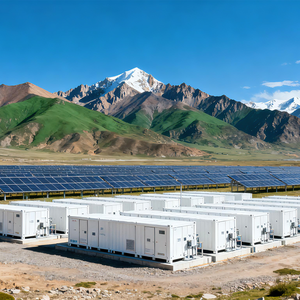
To maintain continuous baseline production, industrial conglomerates, telecom tower infrastructure providers, estate developers, and rural mini-grid operators are rapidly migrating to multi-megawatt Battery Energy Storage Systems (BESS) paired with industrial solar PV installations. As the global epicenter of electrochemical energy storage manufacturing, China supplies over 85% of the world's Lithium Iron Phosphate (LiFePO4) cells. Partnering directly with a premier China OEM Custom Battery Solutions Factory & Supplier provides Nigerian enterprises with direct access to Tier-1 cell chemistries, custom-engineered Battery Management Systems (BMS), high-voltage containerized architecture, and factory-direct pricing structures optimized for local profitability.
Strategic Information Gain: Why Standard Off-the-Shelf Batteries Fail in Nigeria
Generic battery racks imported without customized engineering frequently experience premature capacity fade, thermal runaway trips, or BMS communication failures in West Africa. High ambient temperatures (averaging 35°C–45°C in Northern Nigeria during harmattan and dry seasons), severe voltage fluctuations from erratic grid feeds, and dusty ambient environments necessitate specialized OEM design modifications: IP54/IP67 HVAC ambient controls, active liquid cooling, tropicalized PCB conformal coatings, and robust surge protection devices (SPD).
Localized Application Scenarios Across Key Nigerian Sectors
China OEM custom battery solutions are not one-size-fits-all; they are meticulously configured around duty cycles, C-ratings (charge/discharge rates), voltage thresholds, and environmental constraints specific to Nigerian geography:
Commercial & Industrial (C&I) Manufacturing
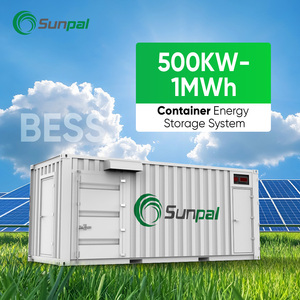
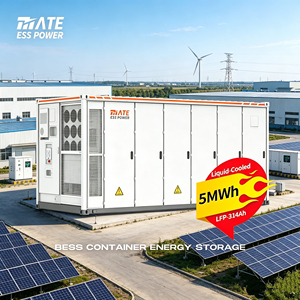
Industrial zones in Ikeja, Agbara, Sagamu, Kano, and Port Harcourt utilize 233kWh to 5MWh containerized BESS to peak-shave expensive grid tariffs, mitigate line voltage sags, and replace dirty diesel baseloads during power outages.
Telecom Infrastructure (BTS Towers)
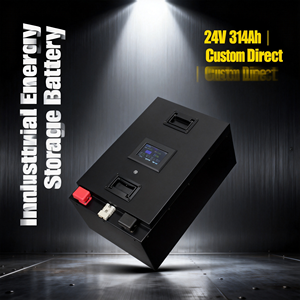
Telecommunication towers operating off-grid in remote regions rely on compact 24V and 48V 314Ah high-density LiFePO4 packs capable of fast 1C charging cycles during brief generator run windows, cutting fuel runtime by over 70%.
Agricultural Processing & Cold Storage
Agro-industrial processing hubs in the Middle Belt and Northern farming corridors deploy hybrid solar-BESS systems to maintain uninterrupted cold chain refrigeration for perishable cash crops, securing export-grade quality.
Rural Mini-Grids & Electrification
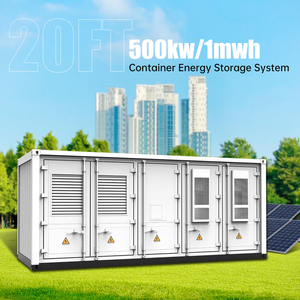
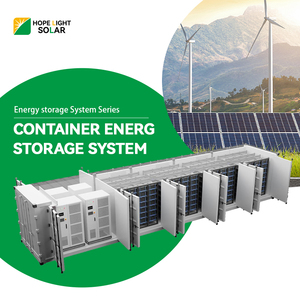
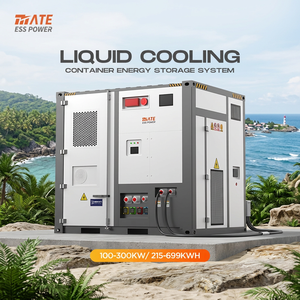
Under the Nigerian Electrification Project (NEP) managed by the REA, 10ft, 20ft, and 40ft containerized lithium ESS units serve as the centralized power backbone for off-grid communities, hospitals, and educational institutions.
Economic & Technical Comparison: Diesel Power vs. OEM LiFePO4 Storage
To evaluate the levelized cost of energy (LCOE) over a 10-year operational horizon in Nigeria, enterprise procurement managers must evaluate the direct capital payback of replacing heavy fuel reliance with factory-customized LiFePO4 energy storage:
| Performance Metric | Industrial Diesel Generator (AGO) | China OEM LiFePO4 BESS (Containerized) |
|---|---|---|
| Initial Capital Expenditure (CapEx) | Moderate initial procurement cost | Higher initial CapEx (Amortized over 10+ Years) |
| Operational Cost (OpEx per kWh) | Extremely High (Fuel, logistics, engine oil, overhauls) | Near-Zero (Solar charging / Off-peak grid capture) |
| Expected Operational Lifespan | 3 to 5 Years under continuous 18hr/day duty cycle | 15+ Years (6,000+ Cycles @ 80% Depth of Discharge) |
| Thermal & Environmental Resilience | Requires constant lubrication, vulnerable to heat lock | HVAC Air/Liquid Cooling optimized for 45°C ambient heat |
| BMS & Remote Monitoring | Manual monitoring / basic analogue telemetry | Cloud IoT, RS485/CAN/Modbus, Real-time cell balancing |
| Payback Period in Nigeria | Continuous financial drag (Escalating AGO costs) | 14 to 22 Months full payback horizon |
Technical Excellence: Engineering Custom Battery Packs for Nigerian Climate
Designing high-voltage energy storage systems for deployment in Lagos, Abuja, Port Harcourt, or Maiduguri demands rigorous engineering customizations. As an established USA-designed and China-manufactured OEM battery supplier, our factories incorporate advanced material science and system architecture tailored for West Africa:
- Next-Gen 314Ah LiFePO4 Prismatic Cells: Utilizing high-density Grade-A lithium iron phosphate chemistry featuring zero thermal runaway propagation, high volumetric energy density, and superior cycle stability.
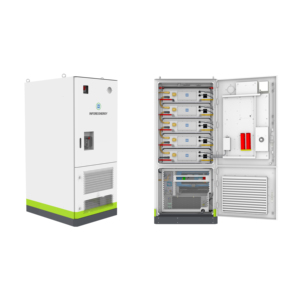
- Dual Thermal Management (Air vs. Liquid Cooling): For standard deployments, forced air-cooling enclosures maintain internal temperatures below 25°C. For 1MWh–5MWh high-density factories, integrated liquid-cooling systems reduce energy consumption by up to 30% while extending cell lifespans.
- Smart Multi-Tier BMS Integration: Microprocessor-controlled BMS monitoring individual cell voltages, state-of-charge (SoC), state-of-health (SoH), and temperature sensors. Seamless protocol matching with top inverter platforms (Victron, Deye, Megarevo, Kehua, Growatt, Sungrow).
- Severe Grid Voltage Fluctuation Safeguards: Industrial-grade bidirectional Power Conversion Systems (PCS) engineered to withstand wide input AC voltage swings common in Nigerian power distribution networks.
Compliance & Certifications for Seamless Importation to Nigeria
All custom battery assemblies shipped from our OEM factories undergo stringent testing to meet international safety standards and Nigerian regulatory mandates. Every shipment is backed by UN38.3, IEC 62619, CE, UL 1973, UL 9540A, and qualifies for seamless SONCAP (Standard Organization of Nigeria Conformity Assessment Program) certification and customs clearance through Apapa, Tin Can Island, or Onne ports.