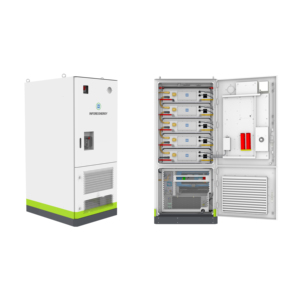
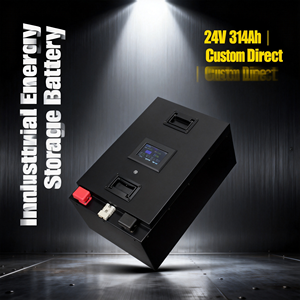
Discover our enterprise-class containerized Energy Storage Systems (ESS), custom high-voltage lithium cabinets, and precision-engineered battery packs built to supply Singapore’s biomedical parks, smart hospitals, and emergency backup platforms.
In life-critical healthcare environments, electrical power reliability is not merely a utility requirement—it is a foundational safety mandate. Modern medical devices, ranging from point-of-care ultrasound scanners, mobile surgical carts, and ventilator systems to containerized hospital backup systems, demand portable and stationary energy storage engineered to immaculate standards. When sourcing from China’s leading custom battery pack factories, medical OEM procurement specialists in Singapore must evaluate technical capabilities through the lens of strict regulatory protocols, thermal performance in humid equatorial climates, and multi-tier electronic safety redundancy.
As a prime global manufacturing hub, China’s tier-1 medical battery facilities have evolved from simple pack assemblers into end-to-end technology integrators. By combining decades of electrochemistry R&D with advanced automated production lines, these facilities manufacture customized battery solutions that comply directly with Singapore Health Sciences Authority (HSA) frameworks and international electrotechnical directives including IEC 60601-1-11, IEC 62133-2, UL 2054, and UN 38.3 transport safety standards.
Custom medical battery design begins at the atomic level. While standard consumer devices rely on off-the-shelf Lithium Cobalt Oxide (LCO) or basic NMC (Nickel Manganese Cobalt) cells, medical device applications mandate chemistries optimized for specific duty cycles. LiFePO4 (Lithium Iron Phosphate) is widely preferred for stationary UPS, hospital energy storage containers, and mobile carts due to its inherent thermal stability, non-combustible crystal structure, and exceptional 4,000+ cycle life. Conversely, lightweight portable monitors utilize custom-shaped ultra-high energy density Li-Polymer or 21700/18650 cylindrical cells with silicon-anode enhancements.
The Battery Management System (BMS) acts as the neural safeguard of a medical battery pack. Chinese high-tier medical battery factories integrate multi-layer microcontrollers (MCUs) running hardware-isolated safety firmware compliant with IEC 62304 / ISO 26262 functional safety standards. These systems provide real-time State-of-Charge (SOC) and State-of-Health (SOH) tracking via SMBus 1.1, I2C, or CANbus protocols, featuring secondary hardware protection circuits for over-voltage, cell imbalance, short circuits, and thermal runaway prevention.
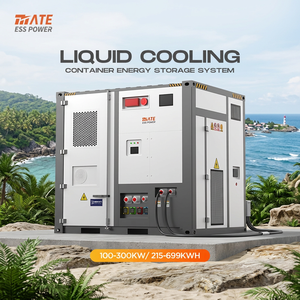
Operating medical equipment in Singapore presents unique environmental stresses. High ambient temperatures (averaging 31°C to 33°C) combined with relative humidity levels exceeding 85% accelerate chemical degradation and invite moisture ingress. Premium medical battery packs engineered for Singapore incorporate IP67-rated ultrasonically welded or aluminum alloy enclosures equipped with hydrophobic breathing vents, phase-change thermal materials (PCM), and active liquid cooling loops for containerized energy storage units.
Singapore’s Healthcare 2020 and Smart Nation initiatives have significantly shifted how public and private medical institutions—such as Singapore General Hospital (SGH), National University Hospital (NUH), and specialized facilities within Biopolis and Tuas Biomedical Park—approach power resiliency. The decentralization of healthcare delivery into community hospitals, outpatient clinics, and home-care tele-health devices requires reliable, fast-charging battery packs with zero noise pollution and zero localized carbon emissions.
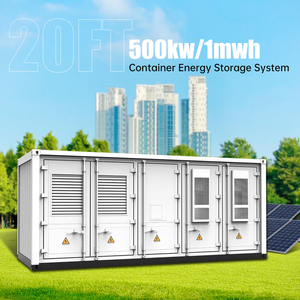
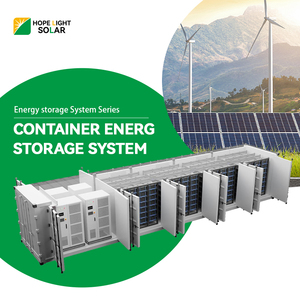
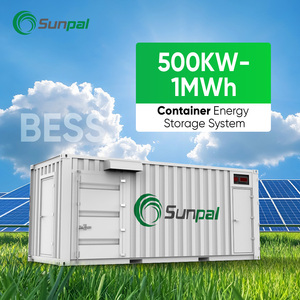
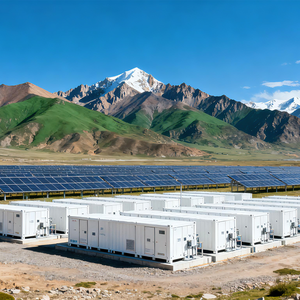
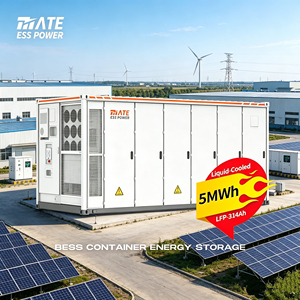
Furthermore, large-scale medical infrastructure projects across Singapore are increasingly adopting containerized battery energy storage systems (BESS) connected to microgrids. These 1MWh to 5MWh container systems (such as BENY, Sunpal, and MATE solutions showcased above) seamlessly integrate solar energy, stabilize peak grid loads during high-power surgical operations, and guarantee uninterrupted emergency power during grid anomalies without relying on noisy diesel generators.
Evaluating cell chemistries, safety protocols, and mechanical integrity across OEM battery choices for Singapore healthcare device buyers.
| Evaluation Parameter | Medical-Grade LiFePO4 Packs | High-Density NMC / Li-Po | Legacy Lead-Acid (AGM/Gel) |
|---|---|---|---|
| Thermal Runaway Threshold | Ultra-High (>270°C) | Moderate (~150°C - 210°C) | Low / Gas Venting Risk |
| Cycle Life (80% DOD) | 3,500 – 6,000+ Cycles | 800 – 1,500 Cycles | 300 – 500 Cycles |
| Energy Density (Wh/kg) | 140 – 180 Wh/kg | 240 – 320 Wh/kg | 30 – 50 Wh/kg |
| BMS Communication | SMBus / CAN 2.0B / RS485 | SMBus / I2C / HDQ | None (Analog) |
| Compliance Certification | IEC 62133-2, UN 38.3, UL 1973 | IEC 62133-2, UL 2054, CE | Basic CE / UL |
| Singapore Climate Fitness | Superior (IP67 + PCM Thermal) | Good (Requires PCM Cooling) | Poor (High Thermal Degradation) |
Navigating the global supply chain for custom medical components demands strict auditing of factory competencies. China's top tier medical battery manufacturers offer a unique blend of high-volume efficiency, precise custom engineering, and transparent quality management systems.
Leading factories operate ISO Class 7 and Class 8 cleanrooms dedicated to medical battery assembly. Automated laser welding machines ensure precise ribbon bonding with micro-ohm contact resistance, while automated End-of-Line (EOL) test stations execute 100% full-function validation of voltage, impedance, BMS response time, and insulation resistance prior to shipment.
Registering a medical device with Singapore’s Health Sciences Authority (HSA) requires complete product technical dossiers. Our partner facilities provide complete regulatory documentation packages including UN 38.3 Test Reports, Safety Data Sheets (SDS), IEC 62133 CB Certificates, ISO 13485 Audit Reports, and Material Safety Traceability down to cell lot numbers.
With direct maritime routes from Shenzhen/Ningbo to Singapore’s Jurong Port and daily air cargo lines to Changi Airport, logistics lead times are optimized. All battery shipments conform strictly to IATA Dangerous Goods Regulations (DGR) Class 9 standards, using certified UN-rated protective packaging to guarantee zero transit damage.
Clear technical answers for procurement directors, medical device designers, and hospital facility engineers.
Accelerate your medical device market entry with custom battery packs engineered for uncompromised safety, high energy density, and strict HSA compliance. Speak directly with our senior electrochemistry and BMS engineering team today.
Contact Us