Designed for seamless integration into Bangladesh’s manufacturing, textile, off-grid microgrid, and telecommunications sectors.
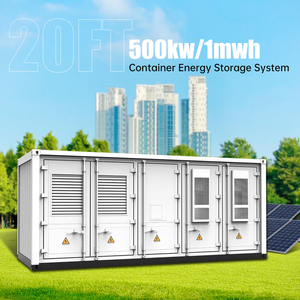
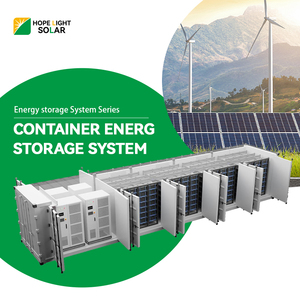
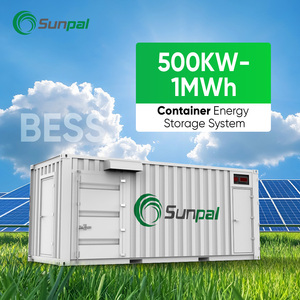
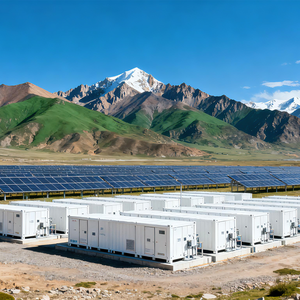
Understanding the physics, chemical stability, and operational superiorities of Solid-State Batteries over liquid-based LiFePO4 and Lithium Nickel Manganese Cobalt (NMC) chemistries in tropical industrial environments.
As Bangladesh accelerates its transition toward modern grid infrastructure, solar integration, and automated industrial manufacturing, energy reliability has emerged as a cornerstone of corporate operational continuity. Traditional lithium-ion batteries—utilizing liquid organic electrolytes (such as LiPF6 dissolved in carbonate solvents)—present inherent physical limitations. Under extreme tropical ambient heat, prolonged high C-rate cycling, or physical puncture, liquid electrolytes suffer from volatility, dendrite penetration, and eventual thermal runaway.
Solid-state lithium battery pack technology eliminates liquid organic solvents entirely. By substituting volatile liquids with inorganic sulfide-based (e.g., Li10GeP2S12), oxide-based (LLZO ceramics), or solid polymer electrolytes, solid-state architecture introduces absolute chemical inertness. This technical evolution yields three core breakthrough parameters for enterprise procurement directors:
Solid-state batteries accommodate pure lithium metal anodes, bypassing graphite intercalated structures. This elevates pack-level energy density up to 400–500 Wh/kg (compared to 160–220 Wh/kg in conventional LFP), cutting physical installation footprint by up to 55% in urban Bangladeshi industrial facilities.
Solid ceramic and polymer electrolytes exhibit zero flashpoints and remain stable at internal temperatures exceeding 250°C. Even during mechanical trauma, cell short-circuiting, or extreme overcharge, solid-state packs will not ignite or emit toxic gaseous venting.
Solid-electrolyte interphase (SEI) degradation is virtually non-existent. Lithium dendrite growth is physically suppressed by dense solid separators, allowing battery packs to sustain 6,000 to 10,000 continuous charge-discharge cycles with under 15% capacity fade.
| Performance Parameter | Solid-State Lithium Pack | Liquid LiFePO4 (LFP) | Liquid NMC / NCA |
|---|---|---|---|
| Gravimetric Energy Density | 380 – 520 Wh/kg | 140 – 180 Wh/kg | 220 – 280 Wh/kg |
| Thermal Stability Limit | > 300°C (Non-Flammable) | ~ 270°C (Gas Venting) | ~ 150°C (High Runaway Risk) |
| Operating Ambient Temp (BD Summer) | -20°C to +65°C (No Degradation) | 0°C to +45°C (Capacity Drops >40°C) | -10°C to +40°C (Accelerated Aging) |
| Dendrite Resistance | Absolute Mechanical Prevention | Moderate Risk over High C-rate | High Risk under Fast Charging |
| Pack Cycle Life (@ 80% DoD) | 6,000 – 10,000 Cycles | 3,500 – 5,000 Cycles | 1,500 – 2,500 Cycles |
| 15-Year Levelized Storage Cost (LCOS) | $0.042 / kWh | $0.068 / kWh | $0.095 / kWh |
Tailored engineering solutions addressing grid instability, humidity challenges, and clean energy mandates in Bangladesh’s vital economic zones.
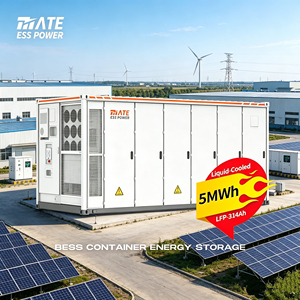
Bangladesh’s RMG sector relies heavily on automated weaving, dyeing, and spinning lines. Micro-droop voltage sags from the national grid cause immediate electronic reset, resulting in massive fabric scrap. Custom 1MWh–5MWh Solid-State Container BESS systems deliver 0-millisecond UPS switching without the high diesel maintenance or thermal runaway hazards of indoor liquid lithium banks.
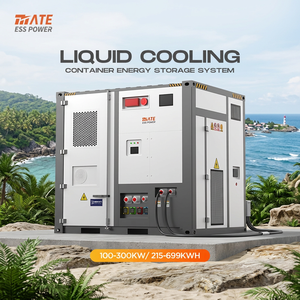
Off-grid solar microgrids in remote riverine char areas (e.g., Kurigram, Bhola) face extreme ambient humidity (>90%) and monsoon flooding. Solid-state packs sealed in IP67/IP68 stainless steel liquid-cooled enclosures ensure complete resistance to moisture ingress and salt-spray corrosion while maintaining continuous solar power firming.
Urban rooftop BTS sites in Dhaka have strict structural weight limits. Solid-state battery packs provide double the volumetric energy density of traditional lead-acid or bulky LFP batteries, reducing tower load weight by 60% while operating seamlessly in rooftop outdoor enclosures reaching 50°C during peak summer heat.
As the Ministry of Shipping moves toward green vessel mandates along the Meghna and Padma rivers, electric cargo vessels and passenger ferries require ultra-safe marine power banks. Solid-state battery packs eliminate mechanical puncture fire risks in marine engine rooms, ensuring full compliance with international maritime safety codes.
Pharmaceutical manufacturing cleanrooms require zero outgassing and absolute environment control. Solid-state energy storage units produce zero atmospheric emissions, zero toxic acid fumes, and provide reliable, high-discharge backup energy for cold chain vaccine and biologic refrigeration systems.
Navigating the Power System Master Plan (PSMP), SREDA net-metering policies, and industrial decarbonization strategies for 2025–2030.
Historically, Bangladeshi industrial units compensated for grid instability by running captive gas or HFO (Heavy Fuel Oil) generators. However, volatile global fuel import prices, gas pressure shortages in key industrial hubs, and national carbon reduction goals have rendered captive diesel generation economically unviable.
Under the Sustainable and Renewable Energy Development Authority (SREDA) guidelines, utility-scale rooftop solar PV installations are rapidly expanding across export processing zones (EPZs). Solid-state battery packs represent the optimal pairing for industrial rooftop solar, enabling peak shaving, night-time load shift, and capacity smoothing without grid overload penalties from BPDB (Bangladesh Power Development Board).
Furthermore, international buyers (EU & US apparel brands) now mandate strict ESG and RE100 compliance for Bangladeshi factories. Adopting solid-state storage drastically slashes Scope 1 direct emissions while guaranteeing long-term energy resilience.
Over 120 years of collective battery pack engineering experience, AS9100/ISO9001 certified manufacturing facilities, and localized technical delivery networks.
Our proprietary Smart Battery Management Systems (BMS) integrate RS485, CAN-bus, and Modbus TCP protocols for seamless telemetry connection with Schneider, SMA, Sungrow, and Victron industrial inverters.
Every solid-state module undergoes extreme thermal shock (-40°C to +85°C), high-G mechanical vibration, nail puncture verification, and UN38.3 transport safety certification prior to factory dispatch.
We provide complete export documentation, UN certified dangerous goods (DG) packing, and direct vessel logistics support to Chattogram (Chittagong) Port and Dhaka Inland Container Depot (ICD).
Essential technical, regulatory, and logistics answers for engineering leads and procurement officers in Bangladesh.
Partner with an industry-leading OEM/ODM battery manufacturer. Speak with our senior electrochemistry engineers to design a customized, high-reliability solid-state lithium battery storage system tailored to your facility’s precise electrical specs and operational demands in Bangladesh.