Factory-direct smart lithium-ion battery packs, modular ESS containers, and heavy-duty LiFePO4 power architectures for Canadian industries.

An in-depth guide on communication protocols, fuel gauging precision, sub-zero thermal protection, and regulatory compliance for Canadian procurement leads.
As Canada accelerates its dual transition toward industrial electrification and decentralized grid resilience, original equipment manufacturers (OEMs), defense contractors, medical device integrators, and mining enterprises across provinces such as Ontario, Quebec, Alberta, and British Columbia are undergoing a structural shift. Legacy off-the-shelf lithium-ion battery modules are increasingly being replaced by standardized Smart RRC Battery Packs (such as RRC2020, RRC2040, RRC2054, and custom SMBus-compliant form factors).
Smart RRC battery packs offer a pre-certified, drop-in off-the-shelf power architecture equipped with integrated Battery Management Systems (BMS), impedance-track fuel gauging, and dynamic charge controllers. By leveraging standardized Smart Battery System (SBS) guidelines, Canadian manufacturers avoid upfront engineering costs exceeding $150,000 CAD per custom tooling cycle while reducing time-to-market by up to 65%.
Real-time communication over I2C/SMBus providing state-of-charge (SoC), state-of-health (SoH), cell temperatures, and remaining run-time reporting within ±1% accuracy.
Internal PTC self-heating thermal blankets engineered specifically for severe sub-zero Canadian environments down to -40°C in remote northern deployments.
Hardware and firmware redundancy safeguarding against over-charge, deep discharge, over-current, thermal runaway, and short-circuit conditions.
At the core of an enterprise-grade Smart RRC battery pack is an advanced micro-controller unit (MCU) coupled with specialized gas gauge Integrated Circuits (ICs), such as Texas Instruments' bq40z50 series featuring Impedance Track™ technology. Unlike simple voltage-based state-of-charge indicators, which fluctuate wildly under dynamic pulse loads and ambient temperature variations, Smart RRC packs model internal cell impedance dynamically.
This high-precision telemetry is delivered via the System Management Bus (SMBus) interface. Host device processors read critical registers including:
| Performance Metrics | Standard RRC Smart Packs | Industrial High-Voltage ESS Containers | Generic Non-Smart Lithium Packs |
|---|---|---|---|
| Communication Protocol | SMBus v1.1 / I2C / HDQ | CANbus 2.0B / Modbus TCP | None (Analog Voltage Only) |
| Fuel Gauging Accuracy | ±1% (Impedance Track™) | ±0.5% Centralized BMS | ±15-20% Voltage Estimate |
| Operating Temperature Range | -20°C to +60°C (Option -40°C) | -40°C to +55°C (Liquid Cooling) | 0°C to +45°C (Restricted) |
| Safety & Compliance Standards | UL 2054, IEC 62133, UN 38.3 | UL 1973, UL 9540A, CSA C22.2 | Varies / Often Uncertified |
| Target Canadian Applications | Medical Devices, Mil-Spec Field Gear | Mining, Off-Grid Telecommunications | Low-cost Consumer Electronics |
Operating lithium-ion battery technology in Canadian territories presents unique thermal challenges. Standard lithium chemistries (both NMC and LiFePO4) experience severe capacity reduction and lithium plating risks when charged below 0°C. Charging a cold lithium cell causes metallic lithium buildup on the anode, resulting in internal micro-short circuits and permanent capacity degradation.
To address sub-zero operations in provinces like Northwest Territories, Yukon, Northern Alberta, and Quebec, our factory-customized Smart RRC packs and containerized energy storage systems (BESS) integrate active thermal heating loops:
When an external power source is connected, the intelligent BMS isolates the main battery chemistry while directing incoming power to internal ultra-thin Polyimide heater blankets. Once the internal cell temperature reaches +5°C, the BMS automatically opens the main charge path. This zero-degradation thermal protocol guarantees maximum cycle life (3,500+ cycles at 80% DoD) even in perpetual arctic sub-zero environments.
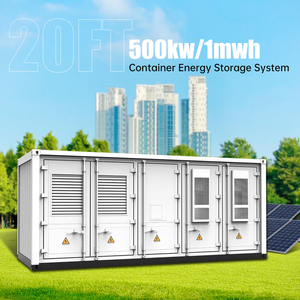
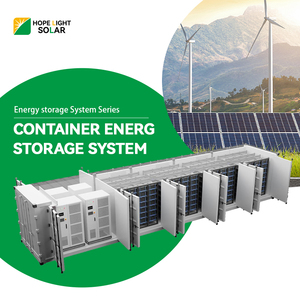
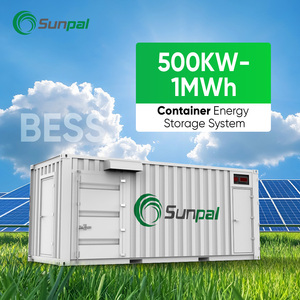
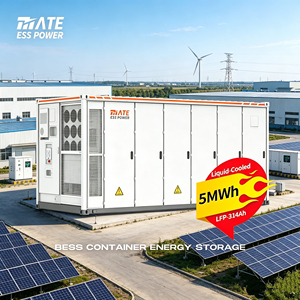
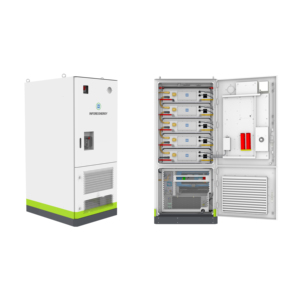
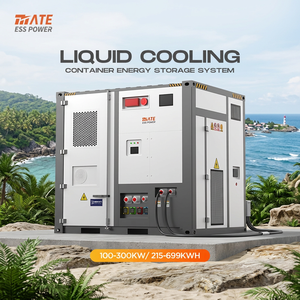
Smart RRC battery packs and modular industrial container energy storage systems (from 100kW/215kWh up to 5MWh liquid-cooled configurations) serve critical infrastructure requirements across key Canadian sectors:
Underground mining equipment and intrinsically safe monitoring devices require high-energy density and ruggedized, drop-resistant enclosures. Smart RRC packs enclosed in flame-retardant polycarbonate or aluminum housings ensure continuous operation under extreme mechanical vibration and humidity.
Medical equipment OEMs utilize standardized Smart RRC battery packs (such as 4S2P 14.4V configurations) in portable ventilators, diagnostic ultrasound machines, and surgical power tools. Compliance with IEC 62133 and ISO 13485 manufacturing lines guarantees zero-fail reliability in critical care settings.
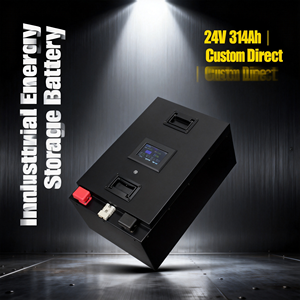
Remote cellular relay towers and weather telemetry stations rely on 24V 314Ah LiFePO4 modules and containerized hybrid microgrids. Coupled with solar PV inputs, these intelligent energy storage systems eliminate continuous diesel generator operation, cutting logistical fuel freight costs across frozen winter roads.
Industrial facilities facing high Global Adjustment (GA) charges in Ontario employ liquid-cooled 1MWh to 5MWh containerized battery systems to execute automatic peak shaving during high-demand hours, delivering ROI within 2.5 to 4 years.
With over 120 years of collective engineering expertise across our design teams, Emerging Power stands as a premier global OEM/ODM manufacturer and exporter of custom lithium battery packs and smart standardized storage solutions. Our state-of-the-art production facilities combine automated cell sorting, ultrasonic wire bonding, precise spot welding, and 100% automated optical inspection (AOI).
As an authorized assembler for world-tier battery brands including Energizer, Amprius, and NanoGraf, we maintain stringent aerospace and military quality management standards (AS9100 and ITAR registration capabilities). Every battery pack engineered for the Canadian market undergoes rigorous environmental testing, including thermal shock, altitude simulation, mechanical drop tests, and UN 38.3 transportation safety validation.
Clear answers to regulatory, technical, import, and customization inquiries from Canadian engineering and sourcing teams.
Smart RRC packs imported into Canada must comply with Transport Canada Dangerous Goods (TDG) guidelines, requiring UN 38.3 lithium battery transport certification. Depending on the final application, IEC 62133, UL 2054 (for commercial electronics), or CSA C22.2 No. 107.1 / UL 1973 (for energy storage systems) certifications are required. Our factory provides full compliance documentation packages.
Yes. Smart RRC packs adhere to the standardized SMBus v1.1 protocol over I2C architecture. Your hardware engineers can seamlessly query standard Smart Battery Data (SBD) commands to read voltage, current, temperature, state-of-charge, and serial numbers. We also provide SDKs and software development support for custom host integration.
We handle complete DDP (Delivered Duty Paid) or FOB shipping logistics to major Canadian hubs including Toronto, Vancouver, Montreal, Calgary, and Edmonton. Under the CUSMA/TCA trade framework, qualified products receive preferential tariff treatment. All shipments include proper Class 9 Hazmat labeling and UN boxes.
For extreme cold-weather applications, we integrate micro-processor controlled heating pads inside the battery casing. Upon detecting sub-zero temperatures, the smart BMS activates the internal heater using external charging power prior to enabling cell charging, preventing lithium plating and ensuring 100% rated performance.
Standardized Smart RRC packs are available with minimum order quantities (MOQs) starting as low as 50-100 units for sample runs. Custom tooling and specialized BMS firmware design cycles typically range from 4 to 8 weeks, followed by automated mass production and rapid export dispatch.
Factory-direct sourcing eliminates middleman markups (reducing unit costs by 20-35%), guarantees fresh cell manufacturing dates (preventing self-discharge aging during warehouse storage), and grants direct engineering access to our BMS software developers for custom firmware modifications.
Need technical datasheets, CAD 3D models, or a factory direct wholesale quotation for your Canadian enterprise? Our engineering team is standing by to evaluate your battery specification requirements.
Contact Us