Explore engineered pouch cell and LiFePO4 battery storage solutions built for extreme operational demands across Pakistan’s commercial, agricultural, and industrial utility grids.
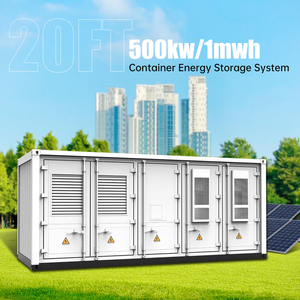
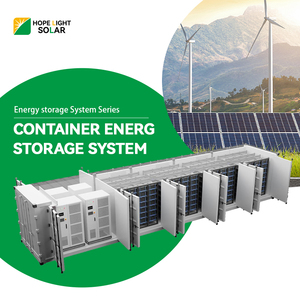
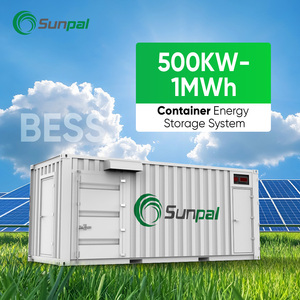
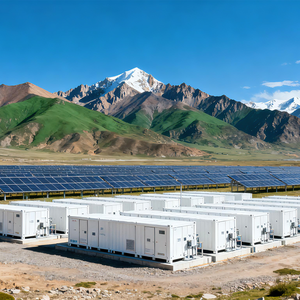
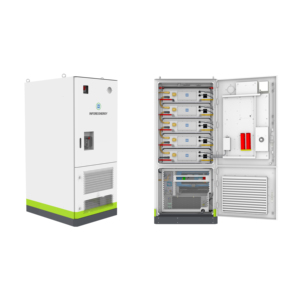
As industrial power demands across Pakistan accelerate due to grid instability, industrial expansion in CPEC economic zones, and high thermal stresses, choosing the right electrochemical energy storage system (BESS) architecture is critical. Soft-pack pouch cells represent the pinnacle of high gravimetric energy density, customizable spatial efficiency, and superior heat dissipation characteristics when compared to traditional cylindrical or rigid prismatic cells.
Unlike cylindrical cells that introduce dead spatial voids in packed arrays, pouch cells utilize aluminum-laminated polymer foils that enclose 95%+ active electrode surface area. This architecture allows OEM battery pack designers to craft tailored form factors for restricted enclosures, modular cabinet ESS units, and high-voltage containerized platforms operating under extreme environmental conditions.
Pouch cell configurations deliver up to 90–95% packaging efficiency. By eliminating metal canisters, internal volume is maximized for active material, resulting in energy densities reaching up to 260 Wh/kg.
The large planar surface area of soft-pack pouch cells provides an expansive contact surface for conductive cooling plates, liquid cooling jackets, and phase-change materials, mitigating hotspot formation.
Under abnormal electrical or thermal stress, pouch cells swell gradually along the heat-sealed seams rather than exploding violently, preventing destructive thermal runaway propagation.
Our multi-layered battery management system (BMS) incorporates cell-level temperature tracking, precise State-of-Charge (SoC) algorithms, and passive/active balancing circuits. Designed explicitly to mitigate thermal degradation in regions like Multan, Sindh, and Punjab where summer ambient temperatures consistently exceed 45°C.
Selecting the appropriate cell geometry dictates the longevity, maintenance overhead, and total cost of ownership (TCO) for energy storage systems in Pakistan.
| Performance Metric | Soft-Pack Pouch Cell (LiFePO4) | Rigid Prismatic Cell | Cylindrical Cell (18650/21700) |
|---|---|---|---|
| Gravimetric Energy Density | Highest (up to 260 Wh/kg) | Moderate (160–200 Wh/kg) | High (200–240 Wh/kg) |
| Volumetric Packaging Efficiency | 90% – 95% | 75% – 85% | 60% – 70% |
| Thermal Management Dissipation | Excellent (Large planar contact area) | Moderate (Thick metallic walls) | Complex (Inter-cell air pockets) |
| Cycle Life (80% DoD @ 25°C) | 6,000+ Cycles | 4,000 – 6,000 Cycles | 2,000 – 3,500 Cycles |
| Swelling Mitigation Requirement | Compression fixture mechanical control | Internal structural relief valve | CID (Current Interrupt Device) |
| Localized Customization Flexibility | Extremely High (Custom L/W/T) | Fixed standardized tooling | Fixed canister dimensions |
Pakistan’s industrial landscape faces unprecedented energy shifts. With electricity tariffs rising, net-metering regulations evolving under NEPRA guidelines, and frequent unannounced load shedding, commercial enterprises rely heavily on resilient, custom-engineered Lithium-ion battery packs.
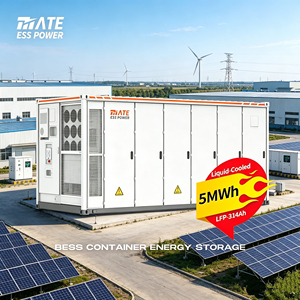
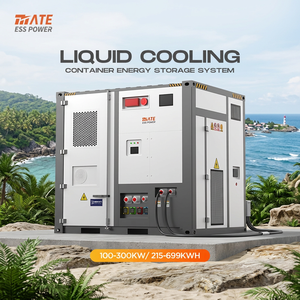
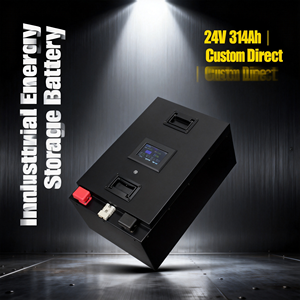
Textile looms and spinning facilities require zero micro-outage operation. Containerized 1MWh to 5MWh BESS systems utilizing high-current 314Ah pouch and prismatic LiFePO4 cells provide instantaneous seamless UPS transfer during grid phase drops.
Replacing diesel generators at remote telecom nodes with custom 48V/24V high-density pouch cell packs dramatically cuts fuel logistical costs, operating reliably at ambient temperatures up to 50°C without active refrigeration.
Agricultural irrigation setups in rural Punjab leverage off-grid lithium storage to pump water reliably during non-peak solar hours, reducing dependence on volatile agricultural grid supply.
With over 120 years of collective battery design expertise, our engineering teams bridge advanced chemistry research with turnkey factory production. We do not simply assemble cells; we engineer thermal management, electronic protective circuitry, and mechanical housings into cohesive high-performance power units.
Every pouch cell undergoes automated sorting for internal resistance (IR matching within ±0.5 mΩ) and capacity grading (±0.5%) before pack assembly, ensuring maximum lifecycle longevity and avoiding premature string imbalance.
Our proprietary BMS hardware supports CANbus 2.0B, RS485, and Modbus communications. Seamlessly compatible with major hybrid inverters deployed across Pakistan, including Growatt, Voltronic, Deye, Huawei, and Sungrow.
Our facilities hold ISO9001, ISO14001, and AS9100 quality certifications. All containerized BESS and individual pouch battery modules strictly meet UN38.3, IEC 62619, and UL 1973 international transport and safety standards.
The energy transition in Pakistan is rapidly shifting from lead-acid legacy systems to advanced Lithium Iron Phosphate (LiFePO4) chemistry. Key macro-economic drivers fueling this transition include:
Our technical application engineers assist with load calculation, BMS configuration, and customs duty documentation.
Get CatalogDetailed answers addressing import logistics, customs clearance, banking regulations, and thermal operational parameters for buyers in Pakistan.
Connect with our senior technical engineers to receive detailed datasheets, 3D CAD envelope designs, BMS protocol options, and competitive factory-direct pricing for your installation in Pakistan.
Get Catalog