Engineered for hospital central backup, mobile clinical units, emergency response vehicles, and critical healthcare telecommunications across Uruguay.
In modern emergency care, surgical monitoring, and decentralized clinical networks, energy storage is no longer merely a auxiliary battery component—it is a life-critical subsystem. Portable medical devices, including mobile mechanical ventilators, infusion pumps, patient monitors, defibrillators, mobile X-ray units, and cold-chain vaccine carriers, require absolute power uptime. In Uruguay's rapidly modernizing healthcare sector, the transition toward decentralized healthcare services, emergency mobile units, and remote telemedicine hubs demands custom-engineered lithium battery systems built with rigorous safety protocols.
E-E-A-T Technical Benchmark: Medical equipment battery design requires zero-margin-for-error engineering. Our custom Lithium Iron Phosphate (LiFePO4) and Lithium-Ion battery packs integrate multi-layered Smart BMS firmware, compliance with IEC 60601-1 / IEC 62133 safety mandates, and localized thermal management tailored to South America's diverse environmental operating windows.
As a leading original equipment manufacturer (OEM) and authorized battery pack assembler backed by over 120 years of collective battery engineering expertise, Emerging Power provides custom-tailored portable power solutions engineered specifically for medical equipment manufacturers, healthcare institutions (ASSE and private mutualistas), and emergency response networks operating in Uruguay.
From metropolitan hospital centers in Montevideo to remote primary care posts in Interior departments like Tacuarembó, Salto, and Rivera, portable power requirements vary across distinct clinical deployment environments.
Major healthcare providers such as ASSE (Administración de los Servicios de Salud del Estado), CASMU, and Hospital de Clínicas rely heavily on uninterrupted power inside Intensive Care Units (ICUs) and operating theaters. Portable power packs supply continuous energy to mobile surgical carts, cardiac monitors, and portable anesthesia machines during patient transfers, guaranteeing smooth zero-second cutover even in the event of local grid fluctuations.
Uruguay's national emergency medical service (SAME 105) and private emergency networks require ultra-compact, vibration-resistant battery modules. Installed inside mobile ICU ambulances and emergency rescue vehicles, our customized 12V/24V LiFePO4 packs power portable suction pumps, automated external defibrillators (AEDs), and vital sign monitors under harsh movement dynamics and wide temperature variations.
In rural departments across interior Uruguay, healthcare posts often experience power outages due to weather events or long rural distribution feeders. Portable battery systems combined with solar micro-grid chargers ensure continuous operation for ultrasound diagnostics, telemedicine communications equipment, and portable blood analyzers, maintaining clinical continuity in isolated communities.
Biological materials, insulin, and vaccines managed under the national immunization system require strictly monitored temperature ranges (2°C to 8°C). Custom battery packs integrated into active portable refrigeration units feature long-life telemetry and IoT monitoring modules that log temperature metrics while operating independently during transport from central storage facilities in Montevideo to regional distribution clinics.
Under Uruguay's progressive national digital health platform (Salud.uy), home care services for elderly and chronic respiratory patients are expanding rapidly. Lightweight, high-energy-density Li-Ion battery packs enable portable oxygen concentrators (POCs) and continuous positive airway pressure (CPAP) devices to operate reliably for up to 12-24 hours without mains power connection, enhancing patient mobility and safety.
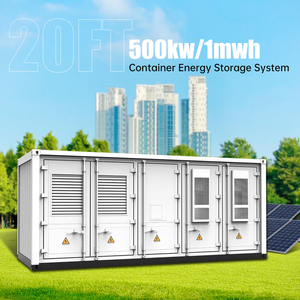
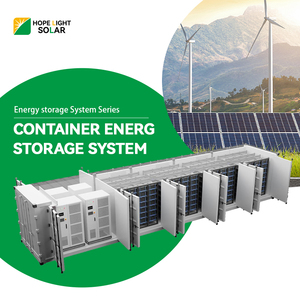
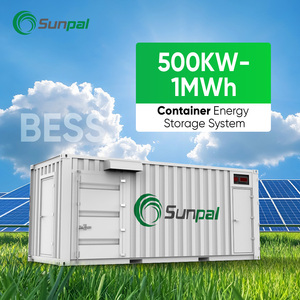
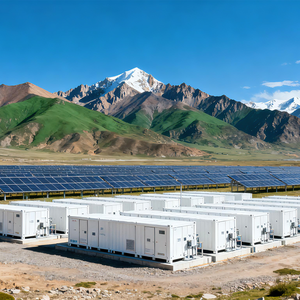
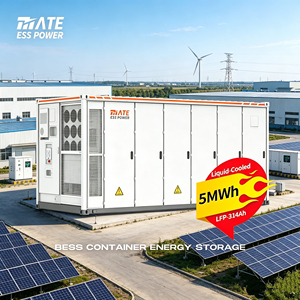
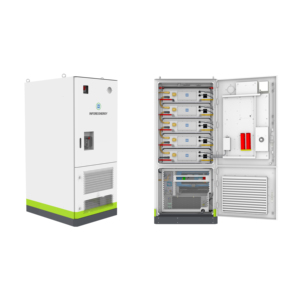
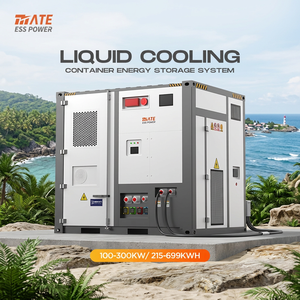
For humanitarian emergency deployments and field medical installations during seasonal flooding along the Uruguay River, high-capacity portable BESS cabinets (such as our 233kWh and 1MWh containers) deliver instant utility-grade microgrid electricity to keep field operating rooms, lighting, and diagnostic equipment fully operational.
Understanding the key macroeconomic, regulatory, and technological forces shaping power storage procurement in South America's most digitally advanced healthcare market.
Uruguay leads Latin America in digital health architecture through the Salud.uy initiative and Electronic Health Records (HCEN). This digital transformation mandates smart, telemetry-enabled medical equipment. Battery systems must now transmit real-time state-of-charge (SoC), state-of-health (SoH), cycle counts, and predictive alerts over Bluetooth Low Energy (BLE) or cellular IoT directly to hospital asset management software.
Medical devices imported into or operated within Uruguay fall under the regulation of the Ministerio de Salud Pública (MSP) and energy safety standards monitored by URSEA (Unidad Reguladora de Servicios de Energía y Agua). Battery components must comply strictly with international electromedical safety benchmarks, including IEC 60601-1-2 (EMC), IEC 62133-2 (Safety of portable sealed secondary cells), and UN 38.3 (Transport Safety for Lithium Batteries).
With Uruguay generating over 95% of its electricity from renewable resources (wind, hydro, and solar), health sector procurement guidelines increasingly prioritize non-toxic, eco-friendly energy storage. Lithium Iron Phosphate (LiFePO4) chemistry is rapidly replacing hazardous Lead-Acid and Nickel-Cadmium batteries due to its zero-heavy-metal composition, 4000+ deep charge cycles, and higher energy efficiency.
With major population centers located along the Río de la Plata and the Atlantic Ocean (Montevideo, Punta del Este, Colonia), medical devices face elevated airborne humidity and coastal saline atmosphere. Battery pack enclosures require IP65/IP67 ingress protection ratings, conformal-coated PCBs, and anti-corrosive gold-plated contacts to prevent moisture degradation and localized short circuits.
A detailed engineering comparison highlighting why LiFePO4 and advanced Li-Ion chemistries outclass legacy solutions for medical equipment integration.
| Performance Parameter | Medical-Grade LiFePO4 (LFP) | Custom Li-Ion (NCM/NCA) | Legacy Sealed Lead-Acid (SLA) |
|---|---|---|---|
| Energy Density (Wh/kg) | 140 - 180 Wh/kg (High) | 200 - 270 Wh/kg (Ultra High) | 30 - 45 Wh/kg (Very Low) |
| Cycle Life (80% DoD) | 3,500 - 5,000+ Cycles | 1,000 - 2,000 Cycles | 300 - 500 Cycles |
| Thermal Runaway Temp | 270°C (Extremely Safe) | 210°C (Requires BMS Monitoring) | N/A (Thermal Gassing Risk) |
| Weight Reduction | ~60% Lighter than Lead-Acid | ~75% Lighter than Lead-Acid | Baseline Heavy Weight |
| BMS Telemetry Integration | SMBus / CANbus / HDQ / BLE | SMBus / I2C / CANbus / BLE | Unmanaged / Basic Voltmeter |
| Total Cost of Ownership (TCO) | Lowest (Long lifespan) | Moderate (High Performance) | High (Frequent Replacements) |
Medical equipment batteries manufactured by Emerging Power utilize advanced multi-tier Battery Management Systems (BMS). The system maintains continuous hardware and software checks over individual cell voltages, charge/discharge current rates, internal resistance, and ambient temperatures. Redundant over-voltage, under-voltage, over-current, and short-circuit protection circuits ensure that a single component failure will never trigger a loss of output or compromise patient safety.
Uniformity is the foundation of battery longevity. During assembly, individual lithium cells are strictly sorted using automated capacity, internal impedance, and voltage-matching equipment. This meticulous grading process minimizes inter-cell cell divergence during charge-discharge cycles, preventing premature degradation and maximizing pack usable capacity across thousands of cycles.
Enclosures designed for medical devices strictly adhere to UL94-V0 flame-retardant standards. Internal cell isolation barriers, phase-change thermal dissipation pads, and pressure relief vents are built into high-capacity modules. In the unlikely event of external mechanical impact or electrical abuse, the pack prevents thermal propagation to neighboring cells and isolates electrical hazards within milliseconds.
Building long-term B2B manufacturing partnerships through proven engineering mastery, strict international certifications, and flexible custom assembly capability.
Our engineering leadership brings more than a century of combined battery design, cell chemistry analysis, and custom pack fabrication experience. We have successfully designed and delivered custom power packs for leading global medical, military, aerospace, and industrial OEMs.
Our manufacturing facilities operate under strict ISO 13485 (Medical Devices Quality Management) and ISO 9001 quality systems. Every battery pack undergoes automated 100% End-of-Line (EOL) testing, burn-in validation, and full traceability logging prior to dispatch.
As an authorized assembler for premier cell manufacturers (including Energizer, Amprius, NanoGraf, and tier-1 LFP cell providers), we supply genuine, factory-certified cells engineered specifically for high-reliability medical applications.
From initial rapid prototyping, 3D CAD enclosure design, custom BMS firmware coding, to UN 38.3 transport safety certification, our engineering team handles every stage of custom development under one roof.
We provide full export logistics documentation, UN 38.3 compliance certification, MSDS reports, and Dangerous Goods (DG) packing compliant with IATA air freight and IMDG sea freight regulations for smooth customs clearance at Montevideo Port and Carrasco Airport.
We offer comprehensive technical documentation, detailed integration schematics, warranty support, and technical consultation for healthcare equipment manufacturers and institutional purchasing directors across Uruguay.
Addressing common technical, regulatory, and logistics queries from healthcare device manufacturers, importers, and hospital procurement officers in Uruguay.
Whether you are developing a next-generation portable medical device, retrofitting existing healthcare equipment, or seeking industrial-grade microgrid backup for clinical infrastructure in Uruguay, our senior battery engineering team is ready to assist.