Explore our standardized and custom-engineered Lithium Titanate (LTO) and LiFePO4 high-power battery storage solutions customized for Peruvian industrial, mining, and microgrid deployments.
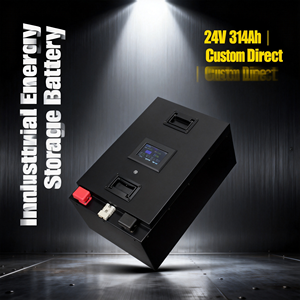
As global industrial sectors pivot toward electrification, standard Lithium Iron Phosphate (LFP) and Nickel Manganese Cobalt (NMC) chemistries encounter physical degradation bottlenecks when subjected to extreme pulse loads, severe thermal ranges, and high-altitude atmospheric stresses. Lithium Titanate Oxide (LTO) represents a structural breakthrough in energy storage chemistry. By replacing traditional graphite anodes with nanocrystalline lithium titanate spinels ($Li_4Ti_5O_{12}$), LTO eliminates the operational liabilities associated with Solid Electrolyte Interphase (SEI) layer growth and lithium dendrite formation.
Unlike graphite anodes that expand and contract up to 10% during lithiation/delithiation cycles, $Li_4Ti_5O_{12}$ exhibits zero lattice strain (<0.2% volumetric change). This structural stability prevents mechanical fracturing of the electrode, yielding operational lifespans exceeding 25,000 full depth-of-discharge (DoD) cycles without significant capacity fade.
LTO operates at a higher electrochemical potential (1.55V vs. Li/Li+) compared to graphite (0.1V vs. Li/Li+). This elevated operating voltage completely inhibits lithium plating, preventing internal short circuits and thermal runaway risks even under 10C ultra-fast charging conditions and sub-zero operational environments down to -50°C.
While the initial capital expenditure (CAPEX) per kWh of LTO is higher than standard LFP, its multi-decade longevity and zero-maintenance profile reduce the long-term Levelized Cost of Storage (LCOS) by over 60% in heavy-cycling industrial applications, such as frequency regulation and heavy haul transport.
The data matrix below highlights the electrochemical and physical metrics governing battery chemistry selection for Peruvian OEM projects:
| Technical Parameter | Lithium Titanate (LTO) | Lithium Iron Phosphate (LFP) | Lithium NMC |
|---|---|---|---|
| Nominal Cell Voltage | 2.3V - 2.4V | 3.2V - 3.3V | 3.6V - 3.7V |
| Cycle Life (100% DoD to 80% Capacity) | 20,000 - 30,000 Cycles | 3,500 - 6,000 Cycles | 1,500 - 2,500 Cycles |
| Continuous C-Rate Capability | 6C - 10C Continuous (20C Pulse) | 1C - 3C Continuous | 1C - 2C Continuous |
| Low Temp Charge Capability | Down to -40°C (Without Heating) | Restricted < 0°C (Requires Preheating) | Restricted < 0°C (Risk of Plating) |
| Thermal Runaway Ignition Threshold | Extreme (> 240°C, Non-Flammable Anode) | High (~270°C) | Moderate (~210°C) |
| Volumetric Strain during Cycling | < 0.2% (Zero-Strain Spinel) | ~ 6.5% Expansion | ~ 10% Expansion |
| High-Altitude Atmospheric Resistance | Optimal (No Arc-Gassing/Thermal Runaway) | Requires Derating > 2,000m | Requires Derating > 2,000m |
Peru presents a unique combination of high altitude, arid coastal deserts, remote rainforest terrains, and energy-intensive mining corridors. Emerging Power engineers OEM LTO battery modules designed specifically to overcome these geographical challenges.
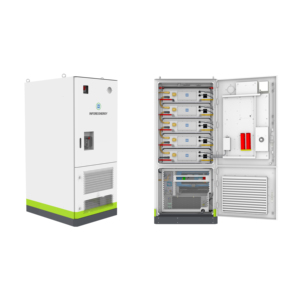
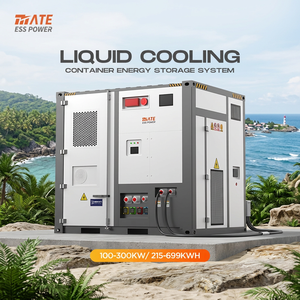
Major Peruvian mining basins—such as Cerro Verde, Antamina, Las Bambas, and Toquepala—operate at extreme altitudes exceeding 4,000 meters above sea level. Standard battery solutions suffer severe atmospheric derating, dielectric breakdowns, and thermal management failures due to low air density. Emerging Power's custom OEM LTO modules feature hermetically sealed NEMA 4X / IP67 enclosures with liquid thermal regulation, ensuring 100% power output without altitude derating for electric drill rigs, underground haulers, and peak-shaving microgrids.
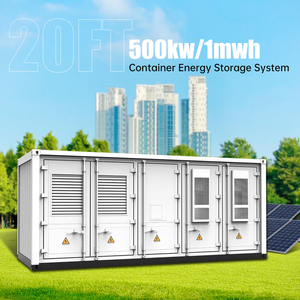
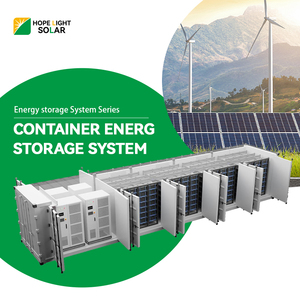
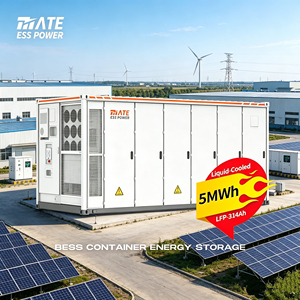
Peru's National Interconnected Electrical System (SEIN - Sistema Interconectado Nacional) experiences localized grid fluctuations caused by intermittent renewable inputs and heavy industrial load swings. LTO battery container systems deliver sub-second response times (<20 milliseconds) and high C-rate charge/discharge capabilities required for primary frequency response (RFP) and secondary voltage regulation, allowing utility providers to stabilize grid nodes seamlessly.
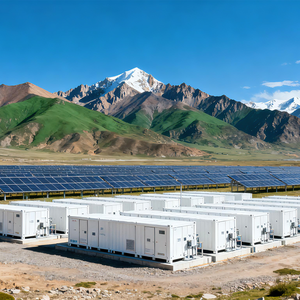
Southern Peru, particularly the Atacama region around Moquegua and Tacna, features some of the highest solar irradiance levels in the world paired with wide daily temperature swings (+40°C daytime to below freezing at night). Standard batteries degrade rapidly under such thermal stress. Our LTO modules operate reliably across a broad temperature range (-40°C to +65°C), enabling continuous 24/7 cycling when paired with utility-scale PV installations.
With major maritime logistics hubs expanding at the Port of Callao and the Chantay Megaport project, electrification of heavy terminal tractors, gantry cranes, and AGVs is essential. LTO battery chemistry permits 10-minute fast opportunity charging during driver shifts, eliminating the requirement for large fleet battery-swapping infrastructure.
In the Amazonian regions of Loreto and Ucayali, maintenance access is limited and humidity is high. LTO modules provide maintenance-free operation for over 20 years, making them a practical energy storage option for critical telecom towers and off-grid remote river monitoring posts.
The Peruvian Ministry of Energy and Mines (MINEM) alongside COES (Comité de Operación Económica del Sistema Interconectado Nacional) has introduced updated frameworks aimed at integrating non-conventional renewable energy sources (RNC) into the national grid. With Peru targeting a minimum of 20% renewable grid contribution by 2030, the adoption of battery energy storage systems (BESS) is transitioning from auxiliary back-ups to critical infrastructure components.
Moreover, Peru’s mining sector—which accounts for over 60% of the country's total export revenues—is under corporate environmental mandates to reduce Scope 1 and Scope 2 emissions. Mining operators are actively converting diesel-powered equipment to zero-emission electric powertrains. Given the heavy duty cycles, high altitude requirements, and continuous operation demands of mining machinery, Custom OEM Lithium Titanate (LTO) battery packs offer a reliable power option capable of supporting 10C fast charging without thermal degradation.
Technical, logistical, and commercial inquiries addressed by our senior OEM battery engineering team.
With over 120 years of collective engineering experience, Emerging Power is a USA-based custom battery manufacturer and authorized assembler. We deliver tailored power solutions to medical, military, aerospace, and heavy industrial original equipment manufacturers worldwide.
From initial chemical selection and 3D mechanical enclosure prototyping to automated cell tab welding, custom smart BMS programming, and thermal simulation modeling, we provide comprehensive end-to-end engineering support.
Our quality management systems meet aerospace and military standards (AS9100 certified, ITAR registered). Every battery module undergoes strict Automated Optical Inspection (AOI) and Factory Acceptance Testing (FAT) prior to shipment.
We leverage direct Tier-1 cell supply partnerships to ensure consistent cell availability, stable pricing, and complete traceability from raw materials to final delivered packs in Callao, Lima, and regional Peruvian industrial hubs.
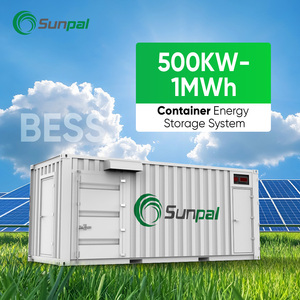
Whether you are engineering high-altitude mining haul trucks, deploying utility-scale solar-plus-storage BESS containers, or upgrading microgrid stability across Peru, our technical engineering team is prepared to assist with custom LTO specifications and quotes.