Operating Unmanned Aerial Systems (UAS) and Unmanned Aerial Vehicles (UAVs) at high altitudes—ranging from 3,000 meters to over 6,500 meters above sea level—presents an aggressive interplay of thermodynamic, mechanical, and electro-chemical stresses. Standard commercial off-the-shelf (COTS) Lithium-ion or Lithium-polymer battery packs undergo severe performance degradation when exposed to low ambient temperatures, decreased atmospheric pressures (below 500 hPa), and drastic thermal fluctuations. As a premier Custom OEM High Altitude Drone Battery Solutions Manufacturer & Supplier in Mumbai, our engineering lab addresses these failure modes at the molecular, mechanical, and system-architecture levels.
1. Atmospheric Pressure & Pouch Cell Swelling Dynamics
At sea level (101.3 kPa / 1 atm), internal cell pressure within hermetically sealed lithium pouch or cylindrical cells is counterbalanced by ambient atmospheric pressure. When a heavy-payload drone ascends to high-altitude zones such as the Ladakh region, Karakoram range, or the Western Ghats peaks, atmospheric pressure drops exponentially. At 5,500 meters, ambient pressure drops to nearly 50 kPa—half of sea-level pressure.
This pressure differential induces severe physical expansion (cell swelling) in standard pouch cells. Cell swelling causes interfacial separation between the anode, cathode, and separator layers, leading to localized current density spikes, lithium plating, rapid capacity fading, and internal short-circuiting. Our Mumbai-engineered high-altitude custom battery packs incorporate:
- Isostatic Structural Compression Plates: High-tensile carbon-fiber or aerospace-grade aluminium alloy frames engineered with calibrated spring-loaded tensioning to hold internal stack pressures uniform regardless of external barometric drops.
- Pressure-Relieved Hermetic Venting: Custom valve-regulated enclosures that equalize internal pack housing pressure without compromising IP67 ingress protection against moisture and high-altitude condensation.
- Ultra-High Density Solid-State & Semi-Solid Electrolytes: Transitioning away from volatile liquid electrolytes toward semi-solid chemistry significantly reduces gas generation (gassing) under reduced ambient pressure.
| Chemistry / Pack Architecture |
Energy Density (Wh/kg) |
Sub-Zero (-30°C) Retention |
Barometric Swelling Risk |
High Altitude Suitability |
| Standard Commercial LiPo (COTS) |
180 - 210 Wh/kg |
< 35% (Severe Sag) |
Extreme (High Risk) |
Unsuitable (< 2,000m) |
| High-Nickel NMC 811 (Custom OEM) |
260 - 300 Wh/kg |
65% (Unheated) / 92% (Heated) |
Mitigated (Controlled) |
High (Up to 5,000m) |
| Semi-Solid State Silicon Anode |
320 - 360 Wh/kg |
80% (Self-Heating BMS) |
Negligible |
Optimal (6,500m+) |
| Ultra-Low Temp LiFePO4 (BESS/Ground) |
160 - 180 Wh/kg |
88% (Active Liquid Heating) |
Zero (Prismatic Metal) |
Extreme Tactical Ground Power |
2. Thermodynamic Degradation & Active Self-Heating BMS Topologies
Temperature is the single most critical determinant of lithium-ion reaction kinetics. At temperatures below -20°C, ionic conductivity in liquid electrolyte drops by up to 85%, while charge-transfer resistance at the electrode-electrolyte interface increases tenfold. When a high-altitude surveillance or logistics drone demands rapid discharge currents during hover or high-wind correction, unheated batteries suffer catastrophic voltage sag (IR drop), triggering early Low-Voltage Cutoff (LVC) and severe operational range loss.
To overcome this, our Mumbai design center manufactures smart battery packs integrated with Sub-Zero Active Thermal Management Systems (SATMS):
- Pulse-Discharge Self-Heating Circuits: Micro-controller-driven high-frequency AC pulse currents excite internal ions, generating uniform internal Joule heating without depleting state-of-charge (SoC).
- Ultra-Thin PTC Flexible Heated Elements: Embedded polyimide heating films layer directly against internal cell faces, governed by dual-zone thermistor arrays monitored by the Smart BMS.
- Phase Change Material (PCM) Thermal Jackets: Lightweight latent-heat absorption layers buffer the battery core against ambient atmospheric thermal shock, preventing sudden chilling during rapid altitude climbs.
Custom BMS Architecture
Multi-channel SMBus/CANbus v2.0b telemetry delivering real-time cell-level voltage, impedance tracking, barometric pressure monitoring, and adaptive SoC calculation at altitude.
Ultra-High C-Rate Output
Continuous 15C to 30C discharge burst capabilities engineered to maintain maximum motor thrust under turbulent, high-elevation alpine mountain winds.
Mil-Spec Structural Rigidity
Certified to MIL-STD-810H standards for high-frequency vibration, mechanical drop shock, thermal shock, and unpressurized altitude simulation tests.
As India's financial, industrial, and technology hub, Mumbai acts as the key center for aerospace research, advanced defense procurement, and export manufacturing. Drone OEMs operating out of Mumbai supply mission-critical UAV systems across challenging geographic and strategic zones. Our custom battery solutions are tailor-made for these distinct localized operational environments:
1. Himalayan Defense & Border Logistics UAVs
Deployment in Northern high-altitude sectors (Ladakh, Siachen, Arunachal Pradesh) at elevations between 4,500m to 6,500m. Supply drones transporting emergency medical payloads, rations, and tactical communications equipment rely on our sub-zero heated NMC and solid-state packs to maintain payload capacities up to 50 kg in temperatures as low as -35°C.
2. Western Ghats Topographic Mapping & Rescue
Heavy terrain variations across the Sahyadri mountain range feature dense fog, high humidity, and steep thermal changes. Our IP67 water-sealed, anti-condensation smart battery systems power mapping LiDAR drones and disaster search-and-rescue quadcopters operating directly out of Maharashtra defense and civil hubs.
3. Coastal-to-Altitude Tethered Surveillance Units
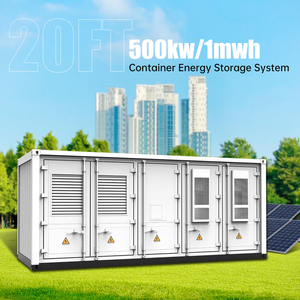
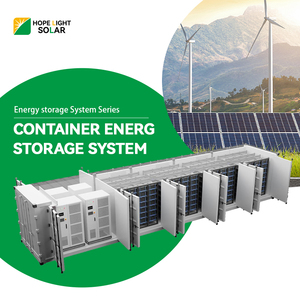
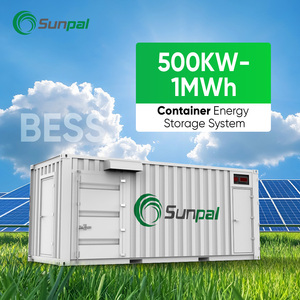
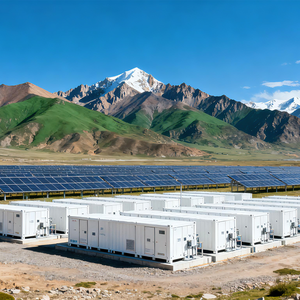
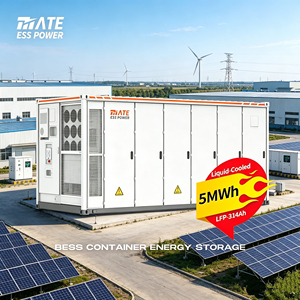
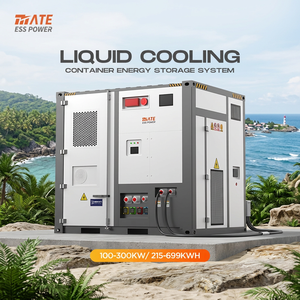
Operating along Mumbai's extensive coastline or elevated naval coastal outposts, tethered drones require continuous ground-to-air high-voltage DC power transmission. Our custom containerized ground BESS units (100kWh – 1MWh) provide uninterrupted clean power feeds for 24/7 tethered aerial security observation platforms.
The Indian Unmanned Aerial Vehicle (UAV) market is undergoing rapid growth driven by the Ministry of Civil Aviation's Drone Rules, the Production Linked Incentive (PLI) scheme for Drone & Drone Components, and the Government's focus on national defense self-reliance ("Make in India"). Key trends defining the high-altitude drone battery sector include:
- PLI-Driven Cell Assembly & R&D Integration: Mumbai's proximity to major ports (JNPT) and specialized electronics zones (SEEPZ) allows rapid import of tier-1 raw chemistries (Amprius, NanoGraf, LG Energy) and localized precision laser-welding, BMS firmware coding, and pack assembly.
- Shift from Standard LiPo to Silicon-Anode Semi-Solid Cells: High-altitude missions demand high gravimetric energy density (>300 Wh/kg). Indian defense OEMs are rapidly abandoning traditional pouch LiPo packs in favor of custom-engineered silicon-nanowire anode cells assembled right in Mumbai.
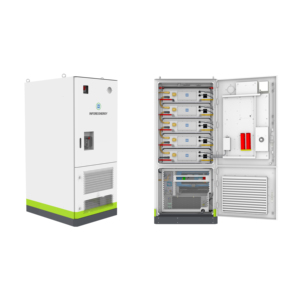
- Interoperable Battery Swapping & Mobile Ground BESS: High-altitude forward bases lack continuous grid power. Deploying mobile containerized solar-plus-storage (BESS) charging cabinets enables rapid field battery swapping, keeping drone fleets continuously mission-ready.
With over 120 years of collective engineering expertise across our leadership and electrochemistry teams, we bring high-reliability standards to the drone battery sector. Unlike generic pack assemblers, we function as an end-to-end original equipment manufacturer (OEM) and custom technology partner.
120+ Years Combined Expertise
Deep electrochemistry knowledge spanning commercial, aerospace, and military-grade portable power applications. Authorized assembler for global tier-1 cell manufacturers.
Custom BMS & Embedded Firmware
In-house hardware and software design teams in Mumbai program custom BMS protocols (CAN, UART, I2C, Modbus) with real-time SOC/SOH algorithm tuning for altitude pressure drops.
Full Environmental Testing Lab
Every high-altitude custom pack design undergoes rigorous environmental testing, including vacuum-altitude simulation chambers, thermal shock (-50°C to +80°C), vibration testing, and UN 38.3 compliance.
Q
How do sub-zero temperatures at high altitudes affect custom lithium drone battery capacity and cycle life?
Sub-zero temperatures drastically slow ion diffusion within lithium-ion cells, causing sudden voltage drop under discharge loads. Without active heating, a standard pack can lose over 60% of usable capacity at -20°C. Our Mumbai-engineered packs integrate smart self-heating BMS circuits that warm the cells to optimal operational temperature (+15°C) before flight, retaining over 90% of rated capacity with minimal cycle life degradation.
Q
What certifications are provided for export-grade drone battery packs manufactured in Mumbai?
All our custom battery packs are manufactured under ISO 9001:2015 and AS9100 aerospace quality management systems. We deliver complete regulatory certification packages including UN 38.3 (air transport safety), BIS (Bureau of Indian Standards), CE, IEC 62133, and ITAR-compliant defense documentation for international OEM clients.
Q
How does your smart BMS compensate for atmospheric pressure changes in unpressurized UAV bays?
Our proprietary Smart BMS incorporates integrated digital barometric pressure sensors. The BMS dynamically adjusts thermal heating thresholds, peak current draw limits, and State-of-Charge (SoC) estimations based on real-time ambient altitude pressure data transmitted via CANbus directly to the flight controller.
Q
Can your custom battery systems be integrated into tethered drone ground stations?
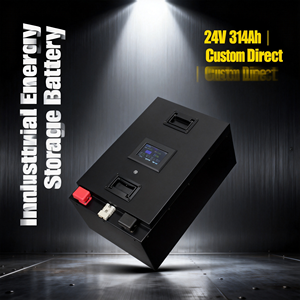
Yes. We manufacture both airborne lightweight high-energy packs and high-voltage containerized Ground Energy Storage Systems (BESS) ranging from 24V 314Ah modular units up to 1MWh/5MWh container systems. These supply constant, ripple-free high-voltage DC power to tethered UAVs operating continuously at high elevations.
Q
What is the typical engineering lead time for custom prototype battery development in Mumbai?
Initial technical consultation, CAD mechanical modeling, and BMS architecture design are completed within 1 to 2 weeks. Prototype sample packs undergo 3D-printed enclosure fitting and cell spot-welding for delivery within 3 to 5 weeks. Mass production scaling is streamlined directly through our Mumbai manufacturing hub.
Q
Why choose semi-solid state or high-nickel NMC chemistry over standard LiPo cells for high altitude missions?
Standard LiPo pouch cells suffer high swelling risks under low pressure and severe voltage sag below 0°C. Semi-solid state and high-nickel NMC 811 chemistries provide significantly higher gravimetric energy density (up to 350 Wh/kg), structural stability against atmospheric depressurization, and higher safety margins against thermal runaway.