High-voltage, thermally stable, microgrid-ready lithium iron phosphate storage containers and rack modules engineered for the Ethiopian market.
Ethiopia stands at a pivotal juncture in its national energy architecture. As East Africa’s economic powerhouse, driven by accelerated industrialization in regions such as Addis Ababa, Hawassa, Dire Dawa, and Kombolcha, the demand for resilient, high-density electrical power has outpaced localized grid expansion. While the completion of landmark infrastructure like the Grand Ethiopian Renaissance Dam (GERD) promises immense hydro power generation, the transmission network managed by Ethiopian Electric Power (EEP) and Ethiopian Electric Utility (EEU) faces acute distribution bottlenecks, seasonal hydration shifts, and voltage instability.
For commercial enterprises, telecommunication operators, industrial parks, and agricultural microgrids, energy unreliability manifests as costly operational downtime, thermal degradation of sensitive machinery, and exorbitant diesel fuel expenses. Traditional energy backup standard—legacy Lead-Acid (AGM/GEL) batteries and Nickel-Cadmium chemistries—have fundamentally failed under Ethiopian environmental conditions. High ambient temperatures in the Great Rift Valley, combined with frequent deep-discharge cycles, lead to rapid capacity loss, thermal runaway hazards, and a brief lifespan rarely exceeding 18 months.
This is where Custom Lithium Iron Phosphate (LiFePO4 / LFP) Battery Packs emerge as an irreplaceable paradigm shift. Engineered with chemical intrinsic safety, exceptional thermal stability (withstanding ambient operation up to 60°C), and an extraordinary cycle life surpassing 6,000 deep cycles, tailored LiFePO4 battery architectures offer Ethiopian procurement managers the lowest Levelized Cost of Storage (LCOS) achievable today.
Instantaneous millisecond response (BMS auto-switch) to protect high-precision industrial machinery across Ethiopian Industrial Parks from brownouts and frequency drops.
LFP chemistry's olivine crystal structure prevents thermal decomposition up to 500°C, operating flawlessly in lowland sites like Awash and Semera without active HVAC overload.
Replaces expensive local diesel generation (averaging >$0.45/kWh operating cost) with clean, solar-integrated storage delivering electricity below $0.08/kWh over system life.
Customization is not merely a feature—it is an absolute requirement for successful hardware execution in Ethiopia. Operating environments range from the high-altitude, low-oxygen atmospheric pressures of Addis Ababa (2,355m above sea level) to the scorching, dusty conditions of the Danakil Depression. Our factory-direct OEM/ODM LiFePO4 solutions address four strategic verticals:
Ethio Telecom and Safaricom Ethiopia continue expanding 4G/5G mobile connectivity into rural kebales. Remote base transceiver stations (BTS) traditionally rely on dual diesel generators running 24/7. Our custom 48V/51.2V 100Ah/314Ah rack-mounted LiFePO4 modules integrate seamless hybrid controller interfaces, allowing towers to run primarily on solar energy with battery backup. The BMS features remote IoT telemetry via GSM/GPS for live monitoring from central operations in Addis Ababa.
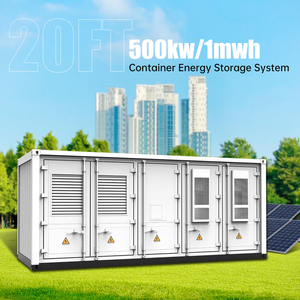
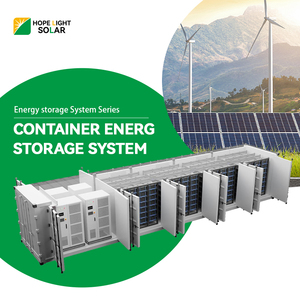
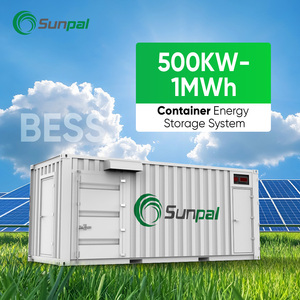
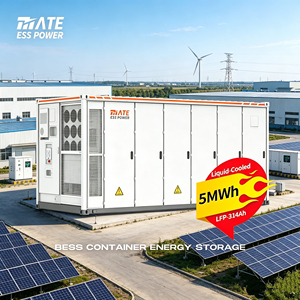
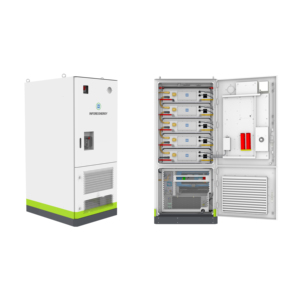
Textile, garment, pharmaceutical, and food-processing plants inside Hawassa Industrial Park and Bole Lemi Special Economic Zone cannot tolerate voltage sags or power outages. A 3-second interruption can freeze automated production lines, leading to mass raw material waste. Our 233kWh cabinet units up to 5MWh liquid-cooled containerized BESS offer uninterruptible power supply (UPS) grade transfer times (< 10ms) and dynamic peak shaving to lower utility peak-demand charges.
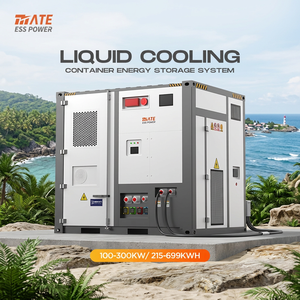
Ethiopia is globally famed for its premium Arabica coffee exports (Yirgacheffe, Sidama, Harar). Primary processing plants requires reliable mechanical hulling and climate-controlled warehouse drying. Off-grid microgrids incorporating 100kW - 500kW hybrid inverter-battery containers ensure uninterrupted processing during harvest season, preventing crop spoilage and preserving high export values without relying on scarce diesel fuel supplies.
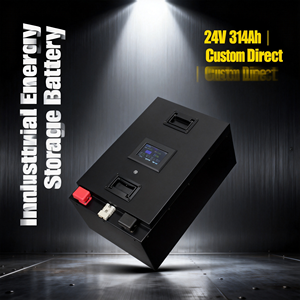
Gold and mineral extraction sites in Shakiso and regional health clinics across Amhara, Oromia, and Tigray regions operate in isolated geographical terrains. Factory customized 24V/48V 314Ah portable LFP blocks and ruggedized IP65 battery cabinets supply heavy-duty, maintenance-free power for vital medical cold storage, surgical lighting, and heavy mining drill instrumentation.
To assist procurement managers, EPC contractors, and electrical engineers in formulating bankable tenders, the data below illustrates the performance divergence between chemistry types under typical Ethiopian operating metrics (Average ambient temp: 32°C, 1.0C charge/discharge rate, 80% Depth of Discharge):
| Performance Parameter | Factory Custom LiFePO4 (LFP) | Standard Lead-Acid (AGM/GEL) | High-NMC Lithium Ion |
|---|---|---|---|
| Cycle Life (80% DOD @ 30°C) | 6,000 – 8,000 Cycles | 500 – 800 Cycles | 1,500 – 2,500 Cycles |
| Thermal Runaway Threshold | 270°C – 300°C (Extremely Safe) | 160°C (Sulfation Hazard) | 150°C (High Fire Risk) |
| Round-Trip Energy Efficiency (RTE) | 95% – 98% | 70% – 78% | 90% – 93% |
| Usable Depth of Discharge (DOD) | 90% – 100% Usable Capacity | 50% Max (To avoid premature failure) | 80% Usable Capacity |
| High Altitude Tolerance (>2000m) | Uncompromised Solid-State Stability | Electrolyte evaporation under low pressure | Requires specialized atmospheric cooling |
| 10-Year Total Cost of Ownership (TCO) | Lowest (1x Initial Investment) | Highest (4x – 5x Replacement cost) | Moderate (2x Replacement cost) |
Navigating procurement in Ethiopia requires a deep structural understanding of regional policy frameworks, infrastructure masterplans, and currency dynamics:
The Ethiopian Ministry of Water and Energy (MoWE) aims for universal electricity access. With grid extension facing geographical hurdles across rugged terrains, off-grid solar-plus-storage microgrids have been elevated to priority tender status. Factory customized BESS systems equipped with pre-configured microgrid controllers are benefiting from streamlined import approvals.
Recent macroeconomic shifts and foreign exchange policy adjustments in Ethiopia incentivize local businesses to procure long-life capital assets rather than ongoing operational consumables (like diesel fuel). Importing premium LiFePO4 storage units with 10-15 year design lives locks in energy costs and mitigates foreign exchange volatility on imported diesel.
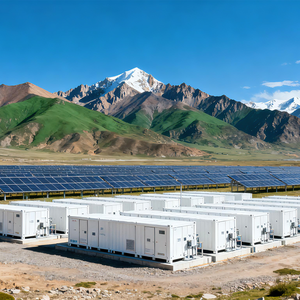
As utility solar farms proliferate in eastern regions such as Afar and Somali, grid operators are transitioning from standard air-cooled battery cabinets to 5MWh Liquid-Cooling Containerized Systems. Liquid cooling reduces internal cell temperature variance to ≤2.5°C, extending battery lifetime by 20% even in extreme hot zones.
When procuring industrial energy storage for high-stakes projects in Ethiopia, factory track record and manufacturing compliance determine project survival. Leveraging over 120 years of collective engineering expertise, our battery manufacturing infrastructure provides complete OEM and ODM customization backed by elite defense and medical-grade certifications.
Our in-house electrical engineers design multi-tier Smart Battery Management Systems (BMS) supporting RS485, CAN-bus, and Modbus communications. Systems interface seamlessly with global inverter brands (Victron, SMA, Deye, Growatt, Schneider) for flawless plug-and-play microgrid integration.
We build our containerized energy storage units exclusively using brand-new, A-grade prismatic LiFePO4 cells (such as 314Ah, 280Ah) featuring laser-welded busbars, individual cell voltage balancing, and aerosol fire-suppression safety systems.
Our manufacturing facility operates under rigorous international quality management protocols, certified to ISO 9001, ISO 14001, AS9100 (Aerospace Quality Standard), and ITAR Registration for defense applications. Every pack undergoes UN38.3, CE, IEC 62619, and UL 1973 safety validation before ocean shipment.
From initial mechanical 3D modeling and custom metal sheet fabrication to specific voltage configurations (24V, 48V, 192V, 512V, up to 1000V DC high-voltage architectures), our engineering team tailors thermal management, ingress protection rating (IP55 to IP67), and physical dimensions to match precise client site footprints.
Whether you require standard 48V telecom battery modules, custom C&I cabinet storage, or multi-megawatt containerized BESS engineering, our technical experts are ready to build your custom energy solution.
Get Catalog