High-voltage, liquid-cooled, and modular LiFePO4 battery solutions engineered for peak shaving, microgrid resilience, and commercial energy storage serving Berlin industrial clients.
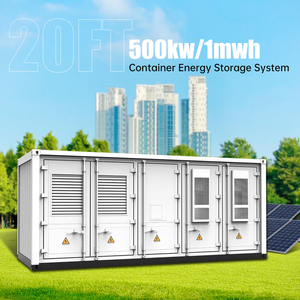
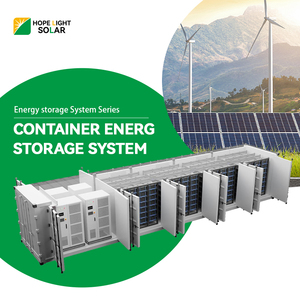
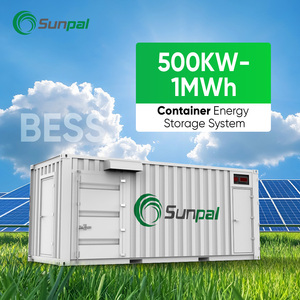
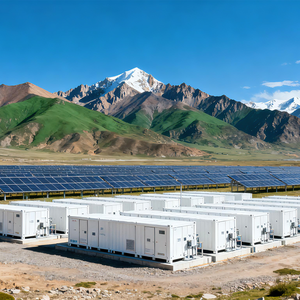
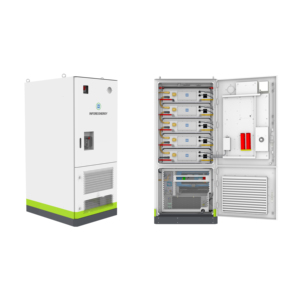
As Berlin accelerates its industrial decarbonization under strict German grid codes (VDE-AR-N 4110 / 4120) and the EU Battery Regulation, off-the-shelf energy storage systems frequently fail to satisfy thermal stability, power density, and communication protocol requirements. Our engineering team delivers purpose-built battery energy storage systems (BESS) designed specifically for continuous industrial duty.
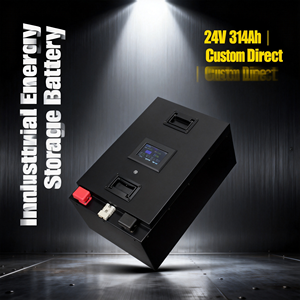
We utilize Tier-1 automotive-grade prismatic Lithium Iron Phosphate (LiFePO4) chemistry with 314Ah and 280Ah cell form factors. LiFePO4 offers an inherently stable olivine crystal structure that eliminates oxygen release during thermal stress. Unlike nickel-rich chemistries (NMC/NCA), our industrial packs guarantee zero thermal runaway propagation even under pin-prick or overcharge scenarios, providing over 8,000 to 10,000 full charge-discharge cycles at 80% Depth of Discharge (DoD).
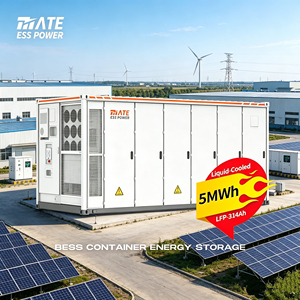
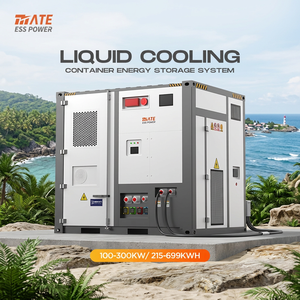
Operating heavy machinery in Berlin’s industrial sectors demands rigorous thermal control. Our 5MWh liquid-cooled containerized BESS uses closed-loop liquid thermal distribution plates directly attached to prismatic cell faces. This achieves an inter-cell temperature differential (ΔT) of <2.5°C, reducing parasitic HVAC energy consumption by up to 40% compared to traditional forced-air cooling and extending system calendar life to over 15 years.
Safety and performance governance rely on a three-tier Master-Slave Battery Management System (BMS). System-level controllers monitor cell voltage resolution down to ±2mV and surface temperatures in real-time. Active balancing circuits redistribute current up to 5A between cells during operation, ensuring optimal State of Charge (SoC) alignment across high-voltage strings (up to 1500V DC) and eliminating micro-capacity degradation.
Technical comparison evaluating industrial battery storage parameters for heavy-duty commercial installations.
| Performance Specification | Industrial Prismatic LiFePO4 (Our System) | Standard NMC Lithium-Ion | Legacy VRLA Lead-Acid |
|---|---|---|---|
| Cycle Life (80% DoD) | 8,000 – 10,000 Cycles | 2,500 – 3,500 Cycles | 500 – 800 Cycles |
| Thermal Runaway Temp | Exceeds +270°C (Non-Combustion) | +210°C (Self-Sustaining Oxygen) | Thermal Sulfation Risk |
| Round-Trip Efficiency (RTE) | 93.5% – 95.0% | 88.0% – 91.0% | 72.0% – 78.0% |
| Thermal Control Method | Direct Liquid Thermal Plate (ΔT < 2.5°C) | Forced Air HVAC (ΔT > 6.0°C) | Passive Convection |
| Grid Connection Support | VDE-AR-N 4110 / VDE-AR-N 4120 | Requires Auxiliary Adapters | Unsuitable for Dynamic Grid |
| Enclosure Protection Rating | IP65 Outdoor Container / IP55 Cabinet | IP54 Standard Container | Indoor Open Rack Only |
Berlin’s industrial ecosystem—ranging from high-tech research centers in Adlershof to heavy manufacturing complexes in Spandau—requires tailored energy storage strategies to navigate elevated network charges, peak power tariffs, and German grid stability mandates.
Semiconductor processing plants, biotechnology laboratories, and optics manufacturers operating in Berlin-Adlershof and Siemensstadt 2.0 cannot tolerate voltage sags or power micro-cuts. Our high-voltage 233kWh to 1MWh BESS systems function as dynamic, uninterruptible power supply (UPS) systems with sub-10ms transfer times. By smoothing high-frequency grid harmonics and supplying millisecond-level power injection during sub-station switching, these units protect sensitive cleanroom equipment while simultaneously performing daily peak shaving to lower monthly peak demand charges.
Distribution centers servicing the Berlin-Brandenburg metropolitan area are transitioning commercial fleets to heavy-duty electric trucks. Connecting multiple 350kW ultra-fast chargers to local medium-voltage transformers creates severe load spikes that trigger extreme penalty fees from grid operators (Stromnetz Berlin). Our containerized 20ft and 40ft LiFePO4 battery systems serve as megawatt buffer stations. They store low-cost solar electricity or off-peak grid energy and discharge dynamically when electric trucks dock for rapid charging, mitigating peak demand without costly utility transformer upgrades.
With Berlin’s growing role as a digital hub for Central Europe, urban data centers face strict space constraints and rigorous fire safety mandates. Our 5MWh liquid-cooled containerized BESS provides a compact footprint with high power output density. Integrated with SCADA and EMS via cyber-secured Modbus TCP and CANbus interfaces, these systems participate in Frequency Containment Reserve (FCR) and automatic Frequency Restoration Reserve (aFRR) spot markets, turning standard backup energy infrastructure into an active revenue-generating asset for Berlin data operators.
Industrial foundries, automotive stamping plants, and component suppliers surrounding Berlin experience substantial energy expense under Germany’s energy regulations. Utilizing our custom 1000kW hybrid energy storage systems paired with rooftop solar PV arrays, industrial managers can take advantage of § 19 StromNEV (Network Fee Exemptions). By utilizing targeted battery discharge during peak load windows, industrial facilities maintain flat load profiles, securing up to an 80% reduction in annual electricity grid access fees.
Navigating the German energy market demands full alignment with rigorous European Union legislation and national DIN/VDE standards. Deploying industrial energy storage in Berlin requires meeting comprehensive safety, environmental, and grid inter-connection criteria.
In Germany, commercial energy storage systems connected to medium-voltage networks must strictly comply with VDE-AR-N 4110 guidelines. Our industrial inverters and BESS containers feature certified grid-forming capabilities, automated reactive power compensation (Q(U) and P(U) control curves), and continuous low-voltage ride-through (LVRT) support to maintain grid balance during local disturbance events.
German property insurers (VdS) enforce stringent fire safety requirements for commercial lithium batteries. Our storage containers incorporate localized gas monitoring (detecting off-gas indicators such as CO and H2 prior to thermal events), multi-stage automated aerosol fire suppression systems, and heavy-gauge steel containment barriers built in accordance with DIN EN 62619 standards.
The European Union mandates full supply chain transparency and lifecycle carbon footprint tracking. Every custom lithium battery module manufactured for our Berlin clients comes prepared for the mandatory EU Battery Passport, detailing cell material origin, recycled cobalt/lithium percentages, and end-of-life recycling pathways compliant with German closed-loop waste management laws (BattG).
Leveraging over 120 years of collective battery engineering expertise, our organization serves as a primary custom manufacturer and supplier for global OEMs, defense contractors, and industrial enterprises.
We do not supply off-the-shelf residential components rebranded for commercial use. Our engineering teams perform comprehensive load profile analyses, CAD/FEA structural simulations, and thermal modeling to build customized industrial battery systems. From custom DC busbar design and internal harness routing to bespoke container dimensions (10ft, 20ft, 40ft, or outdoor NEMA/IP cabinets), every parameter is engineered to match your site constraints in Berlin.
Manufacturing takes place under certified ISO 9001, ISO 14001, and AS9100 quality management systems. Cell joining utilizes high-precision automated laser welding to eliminate resistance hot-spots. Every completed battery string undergoes 100% full-capacity automated cycle testing, insulation testing up to 3000V DC, and vibration screening to guarantee long-term operational safety.
Technical and regulatory answers for Berlin plant managers, electrical engineers, and corporate procurement directors.
Consult with our senior battery engineering team to receive full CAD models, single-line diagrams (SLD), structural data sheets, and customized commercial proposals tailored to your facility's load profile.