High-voltage, high energy density lithium iron phosphate (LiFePO4) containerized energy storage platforms designed for commercial peak-shaving, solar-wind integration, and off-grid resilience.
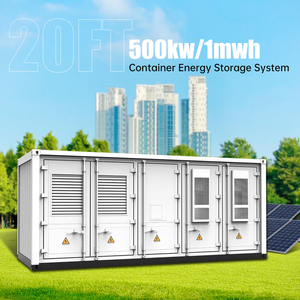
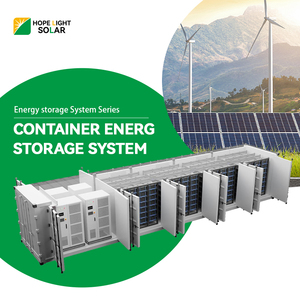
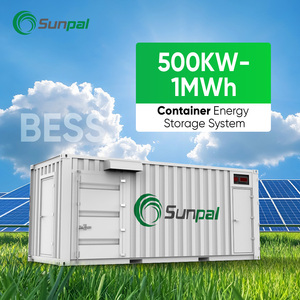
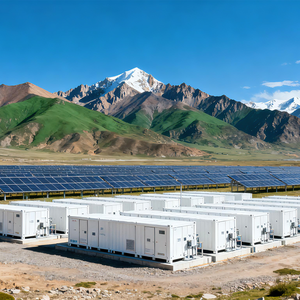
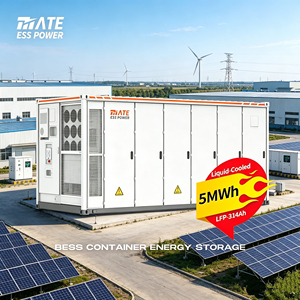
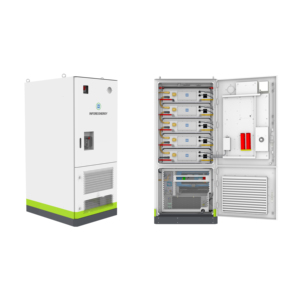
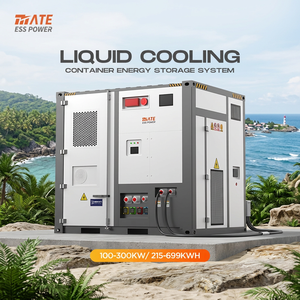
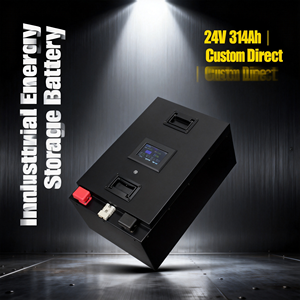
New Zealand’s electricity landscape is undergoing a systemic transformation. Driven by the government’s commitment to achieving 100% renewable electricity generation alongside rapid decarbonization of agriculture, industrial heat, and transportation, grid stability has become a paramount concern. High Energy Density Battery Energy Storage Systems (BESS) based on Lithium Iron Phosphate (LiFePO4) chemistry have emerged as the foundational pillar for grid balancing, peak load shaving, and distributed microgrid resilience across North and South Islands.
As a veteran battery design and assembly enterprise backed by over 120 cumulative years of electro-chemical and power electronics engineering expertise, our organization manufactures CE-certified, high energy density lithium packs customized specifically for the geographical, regulatory, and climatic demands of New Zealand importers, electrical EPC contractors, and commercial utility operators.
Technical Information Gain Standard: Unlike generic battery distributors, our engineering architecture integrates Tier-1 314Ah high-capacity prismatic cells with active liquid cooling thermodynamics, ensuring sub-2.5°C cell-to-cell temperature variance even under continuous 1C discharge rates in high-humidity coastal environments across New Zealand.
The energy density of modern BESS installations directly impacts site civil engineering costs, spatial footprint, and overall Levelized Cost of Storage (LCOS). By upgrading from conventional 280Ah cells to advanced 314Ah LiFePO4 cell architecture, our containerized solutions achieve up to a 15% increase in energy volumetric density within standard 20ft and 40ft ISO enclosure footprints. This enables 5MWh+ capacity delivery in a single 20ft container footprint—minimizing land use and transport complexities across New Zealand’s port networks and alpine highways.
| Performance Metrics | Legacy 280Ah BESS Systems | Our Next-Gen 314Ah Liquid-Cooled Packs | New Zealand Operational Value |
|---|---|---|---|
| Volumetric Energy Density | 165 Wh/L | >210 Wh/L | Reduces freight & civil foundation footprint by ~22% |
| Cell Cycle Life (@80% DoD) | 4,000 - 5,000 Cycles | 6,000 - 8,000 Cycles | Delivers 15+ years operational life under daily cycling |
| Thermal Variance Control | Air Cooling (< 6°C delta) | Liquid Cooling (< 2.5°C delta) | Prevents localized thermal runaway in variable climates |
| System Round-Trip Efficiency (RTE) | 86% - 88% | >93.5% | Maximizes arbitrage margins on NZ Wholesale Electricity Market |
| Regulatory Certifications | Basic CE / UN38.3 | CE, IEC 62619, UL 9540A, AS/NZS 5139 Ready | Expedites lines company approval & WorkSafe sign-off |
New Zealand’s unique electrical topology—characterized by long distribution feeders, high concentration of hydro generation in the South Island, major demand centers in Auckland, and intensive agricultural power demand—requires tailored energy storage engineering.
In key farming regions such as the Waikato, Canterbury, and Southland, seasonal milk processing demands massive peak electric loads. Our containerized 1MWh to 5MWh LiFePO4 packs allow processing plants and large-scale automated dairy operations to shave peak network charges imposed by local distribution lines companies (e.g., Vector, Orion, Powerco) while guaranteeing uninterrupted backup during rural grid tripping events.
Isolated communities and commercial eco-resorts on Waiheke Island, Chatham Islands, and the Marlborough Sounds face exorbitant diesel generation costs. Our modular 10ft MATE container BESS systems feature C5-M marine-grade anti-corrosion exterior coatings and hybrid inverter integration, delivering clean solar-plus-storage autonomy with 99.9% uptime.
Commercial real estate developers and logistics hubs in Auckland, Wellington, and Christchurch utilize our 233kWh outdoor battery cabinets to avoid punitive peak demand tariffs. Operating on automated energy management software (EMS), the batteries automatically discharge during national peak demand periods (Coincident Peak Demand Charges).
Utility-scale solar farms being commissioned across the Bay of Plenty and Northland incorporate our high-voltage 1000kW/5MWh BESS systems to smooth output intermittency and participate in Transpower’s Instantaneous Reserve (IR) ancillary services market.
Procuring utility and commercial lithium battery storage for New Zealand requires absolute compliance with Australasian safety and electrical standards. Importers and system integrators must ensure hardware satisfies strict fire containment, seismic restraint, and grid interconnection directives.
Market Trend Insight (2024-2030): The adoption of liquid-cooled BESS in New Zealand is projected to grow at a CAGR of 28.4%. The transition from air-cooling to liquid-cooling is accelerated by the need for higher energy density per square meter and extended cell calendar life in coastal regions subject to airborne salt and humidity.
Our enterprise represents an elite combination of heritage engineering, global component partnerships, and rigorous manufacturing control. We operate authorized assembly facilities for premium global cell technologies, providing OEM and ODM clients in New Zealand with unmatched technical backing.
Decades of specialized battery engineering experience spanning military, medical, and high-voltage grid storage applications.
Proprietary multi-tier Battery Management Systems featuring RS485/CAN/Modbus TCP protocols and real-time remote cell diagnostics.
Direct partnerships with Tier-1 cell innovators (including Energizer, Amprius, and NanoGraf) ensuring authentic, premium cell supply chains.
End-to-end delivery including container fabrication, HVAC/liquid thermal balancing, fire detection systems, and factory acceptance testing (FAT).
Yes. Our battery storage systems carry comprehensive CE certification along with IEC 62619, IEC 61000 EMC, and UN38.3 transport safety approvals. Furthermore, our containerized BESS hardware is designed to comply with AS/NZS 5139 safety standards and local WorkSafe NZ electrical safety mandates, allowing smooth sign-off by New Zealand Registered Electrical Inspectors.
Liquid cooling maintains cell temperature variance below 2.5°C across the entire container, compared to 6°C+ in traditional air-cooled systems. In coastal locations such as Auckland, Tauranga, or Nelson, liquid-cooled sealed containers (IP54/IP65) prevent ambient salt spray and humid air from directly entering the battery racks, vastly extending system operational lifespan and preventing internal corrosion.
Our containerized battery solutions incorporate reinforced structural steel chassis engineering compliant with seismic design principles outlined in NZS 4219. Internal rack structures, module locking pins, and heavy-duty busbar connections are engineered to withstand violent ground accelerations without mechanical or electrical breakdown.
Standard production and Factory Acceptance Testing (FAT) for customized 20ft/40ft container systems typical take 30 to 45 days. Direct maritime shipping to Port of Auckland or Lyttelton Port (Christchurch) takes approximately 14 to 21 days. We provide full UN38.3 Dangerous Goods (DG) documentation to streamline customs clearance.
Absolutely. Our energy storage systems utilize open Modbus TCP/CANBUS communication protocols compatible with major global Power Conversion Systems (PCS) and hybrid inverters (e.g., Sungrow, SMA, Solis, Kehua). They support both DC-coupled and AC-coupled grid architectures for seamlessly retrofitting onto operating solar farms or industrial factories.
We back our commercial and industrial BESS products with a standard 10-Year Limited Warranty, guaranteeing at least 70% capacity retention after 6,000 deep cycles (at 80% Depth of Discharge). Remote monitoring hardware provides continuous cloud tracking to validate warranty parameters and optimize predictive maintenance.
Connect directly with our senior electro-chemical engineers to discuss customized BESS sizing, thermal management selection, or CE compliance verification for your project in New Zealand.