High-reliability BESS cabinets, containerized backup platforms, and modular IP65/IP54 battery protection systems available for global export.
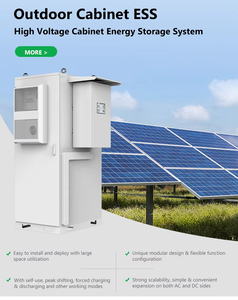
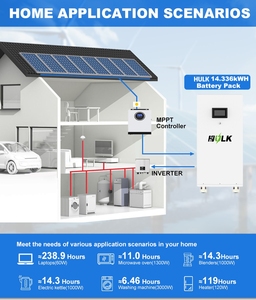
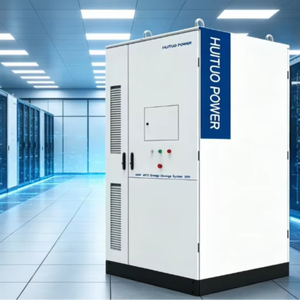
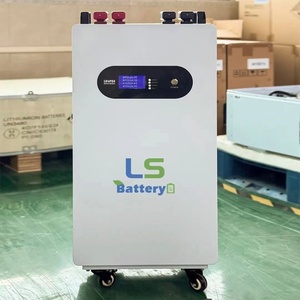
An Executive Technical Whitepaper on Structural Integrity, Thermal Management, BMS Integration, and Cyber-Physical Protection in Utility-Scale BESS Enclosures.
As electrical grids transition toward decentralized renewable architectures, the reliance on high-availability Battery Energy Storage Systems (BESS) has shifted from secondary emergency backup to primary grid-stabilization infrastructure. Utility providers, commercial facilities, and microgrid developers require robust outdoor battery backup enclosures capable of maintaining operational integrity under extreme environmental stress, seismic vibration, and severe thermal cycles.
Modern smart grid battery enclosures are no longer passive metal boxes; they are highly integrated thermal-mechanical containment systems equipped with active edge-computing Battery Management Systems (BMS), multi-stage fire suppression systems, and HVAC or liquid-cooling circulation loops. Selecting a qualified global supplier or exporter requires rigorous evaluation of enclosure IP/NEMA ratings, structural steel gauge, UL safety certifications, and modular scalability.
Utility-grade enclosures utilize heavy-gauge galvanized steel or aluminum alloys featuring anti-corrosion powder coatings rated for ISO 12944 C5-M coastal environments. Double-walled insulated construction reduces solar heat gain, while continuous EPDM gaskets guarantee IP65 or NEMA 4X ingress isolation against dust, driving rain, and ice formation.
High C-rate energy storage generates significant thermal loads. While forced-air ventilation (IP54) suffices for smaller localized systems, modern high-density LiFePO4 enclosures incorporate smart liquid-cooling cold plates. Liquid cooling reduces intra-cell delta temperatures to under 3°C, extending overall battery cycle life by up to 25% compared to conventional air-chilled cabinets.
Thermal runaway containment is the paramount engineering challenge in BESS enclosure design. Advanced platforms integrate off-gas detection (monitoring CO and Hydrogen venting), automated aerosol or Novec 1230 suppression systems, structural deflagration venting panels, and localized cell-level thermal barriers compliant with UL 9540A test standards.
Leading smart grid enclosure manufacturers utilize cell-to-cell thermal insulation (e.g., aerogel insulation blankets and phase-change materials) combined with independent rack-level blast barriers. This structural isolation prevents a single failing cell from propagating thermal runaway across adjacent modules, ensuring localized containment and compliance with NFPA 855 installation setbacks.
Evaluating structural, thermal, and electrical integration options across utility, commercial, and mobile smart grid backup enclosures.
| Enclosure Class | Cooling Technology | Ingress Rating | Typical Capacity | Fire Safety Certification | Primary Deployment |
|---|---|---|---|---|---|
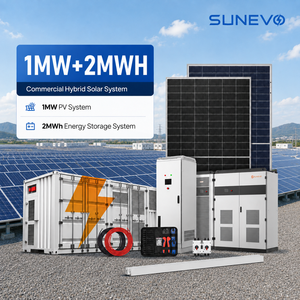
| ISO Containerized BESS | Dual Liquid Cooling + HVAC | IP65 / NEMA 4X | 1MWh - 5MWh+ | UL 9540, NFPA 855, Stat-X | Utility Substation Backup, Wind/Solar Plants |
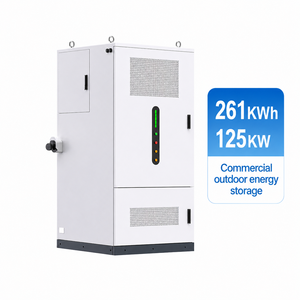
| Commercial Power Cabinet | Smart Liquid Cold Plate | IP65 | 100kWh - 300kWh | UL 9540A, Aerosol Suppression | Commercial Microgrids, EV Fast Charging Hubs |
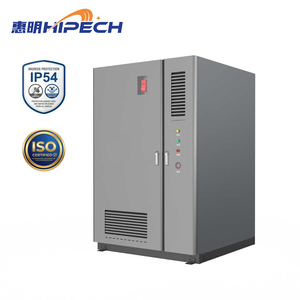
| Industrial Modular Rack Cabinet | Forced Air HVAC / Fan | IP54 / IP55 | 30kWh - 100kWh | FM200 / Direct Gas Venting | Telecom Towers, Distributed Solar Storage |
| Movable / DIY Portable Enclosure | Passive Convection / Fans | IP54 | 5kWh - 15kWh | Cell-Level Fuse & Circuit Breaker | Emergency Mobile Power, Field Operations |
Key evolutionary vectors shaping global smart grid battery cabinet engineering, sourcing strategies, and international compliance.
Procurement specifications are rapidly shifting from legacy 280Ah cells to high-density 314Ah and 500Ah+ LiFePO4 cells, as well as Sodium-Ion (Na-Ion) packs for low-temperature outdoor environments. Enclosure designers are re-engineering internal rack dimensions, volumetric density, and clamping forces to accommodate larger-format prismatic cells while maximizing energy footprint efficiency.
Modern exporter platforms embed intelligent edge-BMS systems supporting Modbus TCP, CANbus 2.0B, and IEC 61850 grid communication protocols. Real-time sensor arrays stream internal humidity, differential pressure, gas concentration, and insulation resistance data to AI cloud analytics—enabling predictive maintenance before physical cell failures occur.
To reduce field installation costs and labor shortages, enterprise buyers favor pre-commissioned enclosures. Factory-integrated power conversion systems (PCS), intelligent automatic transfer switches (ATS), and pre-wired battery strings allow rapid drop-in installation for utility grid substations and industrial solar microgrids.
Leveraging over 120 years of collective technical expertise in custom battery design, OEM manufacturing, and global export distribution.
As a premier USA-engineered custom battery manufacturer and authorized distributor, our facility provides comprehensive end-to-end design, prototyping, assembly, and testing services for utility, industrial, and defense applications.
From custom BMS PCB board layout and firmware programming to 3D CAD metal enclosure fabrication, our team delivers custom-tailored solutions engineered precisely for your electrical, thermal, and dimensional constraints.
Our quality management systems meet rigorous aerospace and defense standards. We strictly adhere to ITAR regulations, ISO quality controls, and comprehensive cell screening procedures to ensure absolute field reliability.
We maintain strong tier-1 cell supply partnerships (Energizer, Amprius, NanoGraf, and leading LFP foundries) and manage complete UN 38.3 hazardous materials shipping certifications for seamless international export delivery.
Technical clarity on compliance, custom enclosure design, shipping logistics, and operational parameters.
Consult with our senior application engineers today to specify your custom microgrid cabinet, containerized utility storage system, or OEM battery enclosure solution. Rapid quotes and technical schematics provided upon request.