
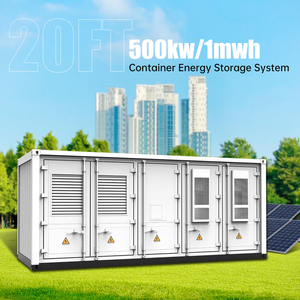
High Voltage ESS
BENY 1MWh 5MWh Container Energy Storage System
Industrial-grade High Voltage LiFePO4 battery container designed for commercial, industrial, and central telecom substation energy storage.
High-reliability Lithium Iron Phosphate (LiFePO4) containerized energy storage systems and modular battery cabinets engineered for telecom base stations, microgrids, and enterprise energy security.
Industrial-grade High Voltage LiFePO4 battery container designed for commercial, industrial, and central telecom substation energy storage.
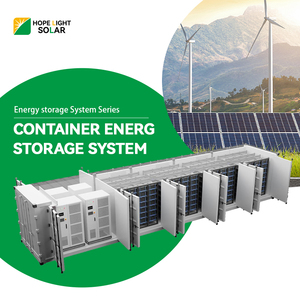
Turnkey 20ft/40ft modular lithium-ion container solution engineered for large-scale grid backup and remote telecom hubs.
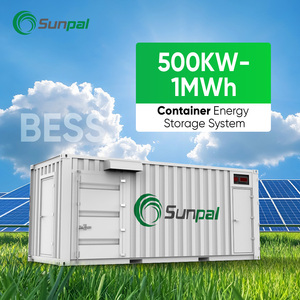
Integrated LiFePO4 solar energy storage system optimized for off-grid hybrid telecom base station applications.
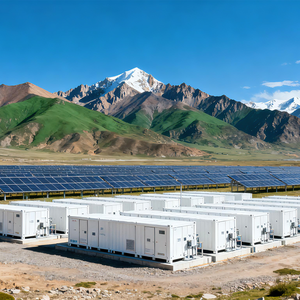
Heavy-duty industrial air-cooled photovoltaic storage solution delivering ultra-fast power switching for mission-critical infrastructure.
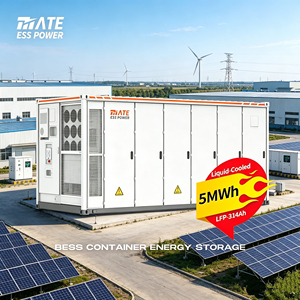
Next-generation thermal-managed liquid-cooled all-in-one container utilizing high-density 314Ah LiFePO4 cells.
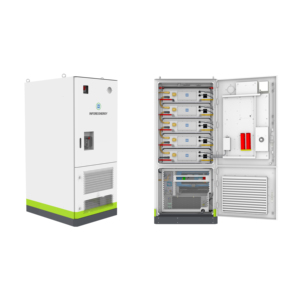
Compact high-rate discharge lithium-ion energy cabinet configured for urban telecom exchange centers and edge computing hubs.
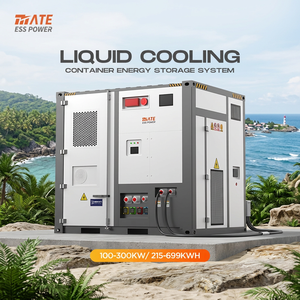
Flexible 10ft containerized smart lithium battery storage customized for remote island microgrids and telecom towers.
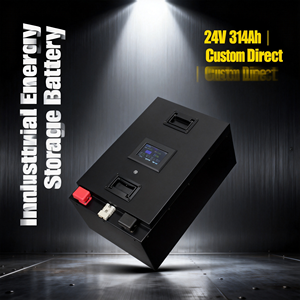
Modular off-grid lithium battery pack specifically engineered for direct base station cabinet installation and replacement.
As global telecommunications networks undergo mandatory upgrades from legacy 4G LTE to high-frequency 5G Standalone (SA) and sub-6GHz macro networks, power infrastructure requirements have escalated exponentially. Modern 5G base stations demand 2.5x to 3.5x more power than 4G nodes, reaching baseline operational power draws exceeding 10kW per macro site. Consequently, conventional Valve-Regulated Lead-Acid (VRLA) and Absorbed Glass Mat (AGM) battery technologies have reached technical obsoletion due to severe volumetric constraints, low cycle life (typically 500–800 cycles), and catastrophic thermal sensitivity.
Telecom infrastructure directors and EPC buyers are rapidly deploying smart, modular, and containerized Battery Energy Storage Systems (BESS). These systems not only guarantee zero-downtime backup during utility grid dropouts but also actively participate in peak-load shifting, demand-response programs, and microgrid integration with local solar PV installations.
Evaluated based on manufacturing capacity, E-E-A-T credentials, BMS intelligence, safety compliance (UL1973, UN38.3, IEC62619), and international exporting track records, the following manufacturers lead the global market in telecom reserve power delivery:
With over 120 years of collective engineering authority, Emerging Power specializes in custom lithium-ion, LiFePO4, and hybrid battery pack engineering for critical military, medical, and high-density telecom applications. Operating as an authorized assembler for tier-one chemical providers, they offer fully certified ITAR-registered, AS9100, and ISO9001 tailored backup modules.
Creator of the iSitePower smart energy series, Huawei leads in integrating AI cloud analytics with modular LFP telecom batteries, allowing hybrid usage of new and legacy batteries simultaneously.
Specializes in eco-friendly green base station energy systems, delivering high-density rack-mounted 48V/100Ah LFP modules integrated with solar hybrid controllers.
The world’s largest battery cell producer. CATL exports heavy-duty containerized liquid-cooled solutions (EnerOne / EnerC) utilizing ultra-durable 314Ah LiFePO4 cells for telecom substations.
Utilizing proprietary Blade Battery (LFP) technology, BYD provides extreme thermal security and ultra-compact containerized battery solutions for major telecom hubs.
Global leader in critical digital infrastructure. Vertiv’s NetSure DC power systems integrate seamlessly with smart lithium backup solutions for core exchange centers.
Offers high-efficiency power conversion paired with modular lithium cabinets, featuring high power density and outdoor IP65-rated telecom enclosures.
A pioneering legacy manufacturer transition to lithium energy storage, exporting custom 48V telecom lithium packs to over 100 country mobile operators.
Producer of PowerSafe and Genesis battery solutions, offering ruggedized hybrid lithium and Thin Plate Pure Lead (TPPL) systems engineered for extreme environments.
Specializes in military-grade and extreme-climate lithium systems designed to operate without auxiliary HVAC in ambient temperatures ranging from -40°C to +65°C.
The matrix below compares key operating metrics across primary telecom backup battery categories currently specified in global procurement tenders:
| Solution Architecture | Primary Chemistry | Energy Density | Expected Cycle Life | Thermal Operating Range | Primary Best-Use Case |
|---|---|---|---|---|---|
| 48V 100Ah Rack Modules | LiFePO4 (LFP) | 140 - 160 Wh/kg | 4,000 - 6,000 Cycles | -20°C to +60°C | Indoor / Outdoor 5G Base Cabinets |
| 20ft/40ft Air-Cooled BESS | LiFePO4 (280Ah/314Ah) | 160 - 180 Wh/kg | 6,000 - 8,000 Cycles | -30°C to +50°C | Central Telecom Switching Offices & Hubs |
| 5MWh Liquid-Cooled BESS | Advanced LFP (314Ah) | 180 - 210 Wh/kg | 8,000 - 10,000 Cycles | -40°C to +55°C | High-Density Regional Data & Telecom Sub-Nodes |
| Hybrid Solar ESS Cabinets | LiFePO4 + MPPT | 130 - 150 Wh/kg | 5,000 - 7,000 Cycles | -20°C to +60°C | Off-Grid Remote & Island Base Stations |
| Legacy VRLA / AGM Banks | Lead-Acid | 30 - 50 Wh/kg | 500 - 800 Cycles | 15°C to 25°C (Strict) | Legacy 3G/4G Installations (Phasing Out) |
Telecom procurement officers are navigating unprecedented supply chain complexities and stringent carbon reduction mandates. Forward-looking RFPs reflect several major shifts:
The industry standard is rapidly moving away from 50Ah and 100Ah prismatic cells toward high-capacity 314Ah LiFePO4 cells. This jump enables 5MWh energy capacity inside standard 20ft container footprints, cutting land footprint and balance-of-system (BOS) wiring costs by up to 25%.
While conventional air-cooled containers suffer from thermal variance (up to 8°C temperature delta between cell racks), liquid-cooling thermal management keeps cell temperature variances under 3°C. This eliminates localized hotspots, reducing auxiliary HVAC power loss by 40%.
Telecom backup systems are transforming from passive emergency insurance into active revenue generators. Smart BMS equipped with Virtual Power Plant (VPP) algorithms allow carriers to discharge stored power back to grid operators during peak demand pricing windows.
Global regulations such as the EU Battery Regulation require full digital battery passports, transparent supply chains, low carbon footprint manufacturing, and guaranteed end-of-life recycling pathways.
Safety remains the paramount specification for industrial telecom installations. Modern containerized storage systems integrate multi-tier safety mechanisms:
Legacy passive balancing burns excess cell charge as heat. Advanced custom BMS designs utilize high-efficiency bi-directional active balancing circuits (2A to 5A balancing currents). Coupled with IoT cloud monitoring via 5G/4G SIM modules, engineers can remotely forecast individual cell state-of-health (SoH) and remaining useful life (RUL) with over 98% accuracy.
Combining over 120 years of collective battery pack design, automated assembly, and global logistical mastery, we engineer high-performance energy storage solutions tailored to precise OEM specifications.
State-of-the-art manufacturing facility operating under ITAR registration, AS9100 aerospace standards, and ISO 9001 quality management certifications.
In-house hardware and software engineers capable of designing custom communication protocols (CANBus, Modbus, SMBus) for seamless base station integration.
Full compliance testing including UN/ST 38.3, UL 1973, IEC 62619, and CE certifications with complete global export duty handling.
Need custom dimensions, specialized BMS protocols, or high-voltage containerized energy storage for your telecom network upgrade? Speak directly with our senior battery engineering team today.