In the rapidly evolving landscape of utility-scale energy storage systems (BESS), frequency regulation ancillary services, heavy duty electric transit, and sub-zero military logistics, traditional lithium iron phosphate (LiFePO4) and nickel manganese cobalt (NMC) chemistries encounter hard thermal and structural boundaries. The primary physical limitation of graphitic anode lithium-ion systems stems from lithium dendritic formation during high-rate charging and low-temperature operation, leading to capacity fade and thermal runaway risks.
Lithium Titanate Oxide ($Li_4Ti_5O_{12}$ / LTO) replaces the conventional graphite anode with a nanocrystalline spinodal structure. This unique chemical configuration yields zero volumetric strain (<0.2% crystal lattice dimension shift during lithiation/delithiation cycles), entirely eliminating micro-fracturing of the anode matrix. Consequently, industrial-grade LTO battery modules achieve operational lifetimes exceeding 25–30 years under aggressive heavy-duty cycling profiles, operating seamlessly down to -40°C without requiring parasitic internal heaters.
This industrial procurement guide provides B2B battery engineers, system integrators, EPC contractors, and global OEM sourcing directors with an exhaustive technical evaluation of the world’s top 10 LTO battery module factories, technical specifications of containerized solutions, and verified supply chain criteria.
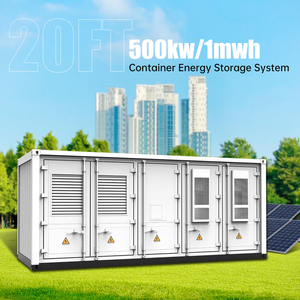
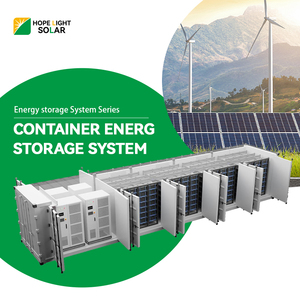
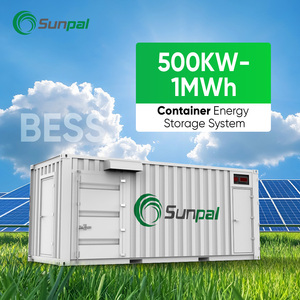
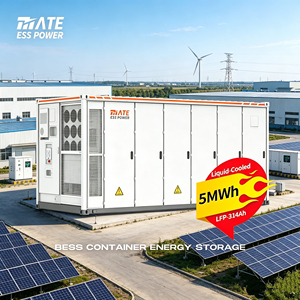
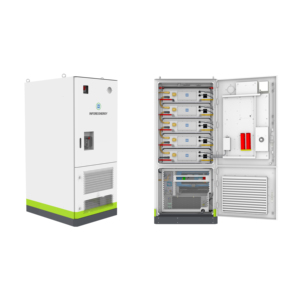
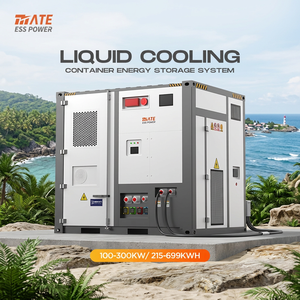
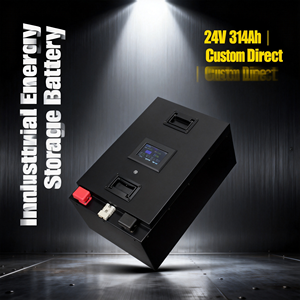
Explore our curated selection of high-power, high-cycle containerized energy storage systems and modular battery cabinets built for industrial, commercial, and microgrid deployments.

To understand the competitive edge of Lithium Titanate ($Li_4Ti_5O_{12}$), procurement officers must analyze the microstructural thermodynamics of the cell anode. Unlike conventional lithium-ion batteries that rely on carbon intercalation (which expands and contracts during cycling), LTO undergoes a zero-strain phase transition.
| Performance Metric | Lithium Titanate (LTO) | Lithium Iron Phosphate (LFP) | Nickel Manganese Cobalt (NMC) |
|---|---|---|---|
| Nominal Cell Voltage | 2.3V – 2.4V | 3.2V – 3.3V | 3.6V – 3.7V |
| 100% DOD Cycle Life | 20,000 – 30,000+ Cycles | 3,500 – 6,000 Cycles | 1,500 – 3,000 Cycles |
| Continuous Charge/Discharge C-Rate | 6C to 10C (Peak 30C) | 1C to 3C | 1C to 3C |
| Operating Temp Range (Charging) | -40°C to +65°C | 0°C to +55°C | 0°C to +45°C |
| Thermal Runaway Exotherm Onset | >260°C (Extremely Safe) | ~210°C | ~150°C (Vulnerable) |
| Levelized Cost of Storage (LCOS) | Lowest ($/kWh/cycle) | Moderate | Highest |
The electrochemical potential of the LTO anode is approximately 1.55V vs. $Li/Li^+$. This potential prevents metallic lithium dendrite formation, eliminating short circuits under ultra-fast 15-minute charging conditions.
Standard LFP batteries experience severe electrolyte sluggishness and lithium plating below freezing. LTO modules maintain over 80% usable capacity at -30°C and operate continuously at -40°C without requiring heating pads.
LTO modules support complete charge/discharge cycles in 6 to 10 minutes. This high power density makes them ideal for electric bus fast-charging terminals, automated guided vehicles (AGVs), and grid frequency containment.
Selecting the right manufacturing partner requires evaluating cell chemistry purity, automated pack assembly standards, active balancing BMS protocols, and factory capacity. Below is an expert comparative analysis of the top 10 global tier-1 LTO manufacturers.
Key Focus: Heavy transport, marine propulsion, and railway power packs.
Overview: Toshiba’s patented SCiB™ technology is a market benchmark. Utilizing oxide nanocrystals, Toshiba modules offer extreme durability (>20,000 cycles) and power density. Their automated factories in Yokohama and Kitakyushu comply with strict automotive safety norms.
Key Focus: Custom military-grade packs, medical devices, OEM industrial containers.
Overview: With over 120 years of collective battery engineering expertise, Emerging Power operates ISO 9001 and ITAR-registered production centers in Hackensack, NJ. They excel in custom BMS design, smart battery packs, sub-zero LTO modular racks, and authorized heavy-duty cell assembly.
Key Focus: Giga-scale LTO cell manufacturing, municipal electric bus BESS.
Overview: Yinlong operates one of the world's largest vertically integrated LTO production lines. Their cylindrical and pouch LTO cells power over 50,000 electric buses globally, offering 30-minute charging capabilities and robust performance in extreme industrial environments.
Key Focus: Commercial vehicle electrification, ultra-fast charging BESS.
Overview: Microvast offers specialized LTO module lines (MpCO and LTO variants) engineered for high-power commercial vehicles and port automation equipment requiring continuous multi-C rate charge/discharge profiles.
Key Focus: Marine hybrid ferries, heavy industrial rail, grid regulation.
Overview: As a premier European battery manufacturer, Leclanché manufactures low-impedance LTO pouch cells with custom liquid-cooled battery enclosures certified for DNV-GL marine applications.
Key Focus: Home energy storage systems (HESS), quick-charge buffers.
Overview: Nichicon leverages specialized small-to-medium LTO modules for rapid energy buffering, vehicle-to-home (V2H) power routers, and harsh industrial automation units.
Key Focus: Defense electronics, aerospace power, high-power UPS.
Overview: Kokam’s high-power LTO pouch cells deliver high discharge current rates (up to 30C), serving military applications, aerospace ground power units, and critical data center UPS backbones.
Key Focus: Modular industrial pack assembly, off-grid energy storage.
Overview: Specializing in 24V, 48V, and high-voltage rack-mounted LTO packs, Tiankang provides cost-competitive OEM solutions tailored for telecom towers, solar microgrids, and mining operations.
Key Focus: Specialized automated guided vehicles (AGVs) and robotics.
Overview: Evident Power designs heavy-duty, impact-resistant LTO packs with localized CANbus telemetry, ideal for automated warehouse fleets operating 24/7 with fast-charging duty cycles.
Key Focus: Containerized BESS solutions, hybrid PV-plus-storage.
Overview: BENY integrates large-scale LTO and LFP battery packs into 20ft and 40ft utility container systems, equipped with liquid-cooling thermal management, aerosol fire protection, and smart Cloud-BMS monitoring.
As global power grids incorporate higher ratios of intermittent renewable energy (wind and solar), grid operators face increasing frequency instability. Over the next decade, B2B procurement managers will observe several key market transitions:
Combining the high-power, high-frequency response of LTO modules (handling 80% of transient grid fluctuations) with high-density LFP arrays (handling bulk daily shift storage) reduces overall capital expenditure while optimizing system lifespan.
Distribution grids often struggle to support 350kW+ Megawatt Charging Systems (MCS) for commercial trucks. Stationary LTO battery buffer cabinets store power from the grid continuously and release 10C surge currents into EVs without degrading grid transformers.
Hydrogen fuel cells perform best under steady-state load conditions. Coupling LTO modules with fuel cell powertrains allows the battery to absorb rapid braking energy recovery and provide dynamic acceleration boosts without stressing the fuel cell stack.
Emerging Power brings over 120 years of collective engineering experience to custom battery pack assembly. Based in Hackensack, NJ, our team specializes in smart BMS design, custom enclosure engineering, automated laser welding, and rigorous testing for medical, military (ITAR registered), aerospace (AS9100 certified), and heavy industrial OEMs worldwide.
Connect directly with our senior technical engineering team in Hackensack, NJ. Get comprehensive CAD models, custom BMS schematics, and factory pricing for your project requirements.