Custom OEM High Voltage Lithium Battery Modules Exporter & Exporters

Engineering Next-Generation 400V–1000V Energy Storage & Industrial Power Modules with Advanced BMS Architecture

Featured High-Voltage & Custom Lithium Module Solutions

Direct factory OEM supply, customized cell configurations (LFP, NCM, Solid-State), and certified high-voltage battery racks engineered for utility, drone, and industrial deployments.
Solid State Lipo Cell Drone Battery Module
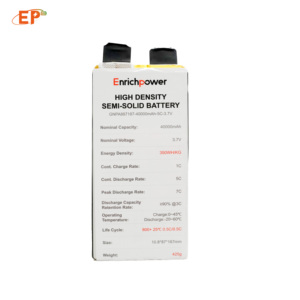
20000mAh–50000mAh Solid State LiPo & NCM Drone Battery
Ultra-high energy density solid-state Lipo cells (3.7V 27000mAh / 39000mAh / 50000mAh) customized for extended flight UAVs, defense, and long-range aerial platforms.
Send an Inquiry
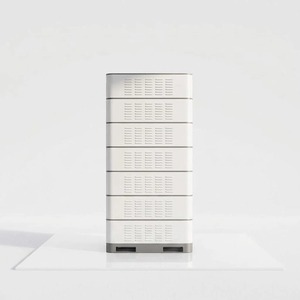
High Voltage Stacked LiFePO4 Battery Module
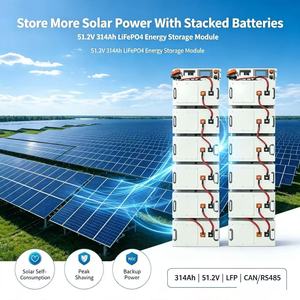
High Voltage Stacked LiFePO4 Module (80.38kWh–241kWh)
157A modular stack energy storage system designed for commercial PV power stations, microgrids, and peak-shaving utility projects.
Send an Inquiry
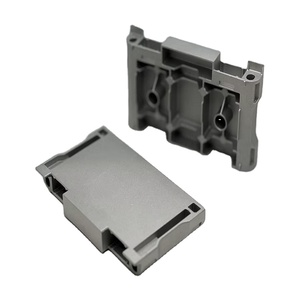
8S1P LiFePO4 Battery Module with Aluminum End Plate
8S1P LiFePO4 3.2V 100Ah/104Ah Module with Al End Plate
Precision-engineered LFP lithium-ion module featuring laser-welded structural aluminium end plates for heavy vibration environments and stationary ESS.
Send an Inquiry
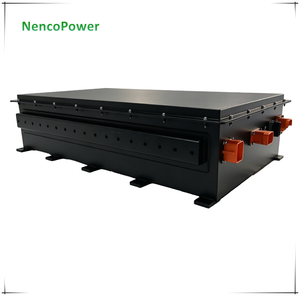
NencoPower 400V High Voltage LiFePO4 Module
NencoPower 400V 27Ah 10kWh High Voltage LiFePO4 Module
High-voltage direct DC architecture module delivering 10kWh capacity per unit, ideal for fast-charging stations, industrial equipment, and UPS backup.
Send an Inquiry
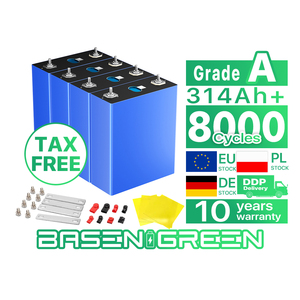
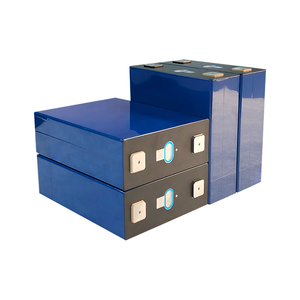
Grade A LiFePO4 Prismatic Battery Cells
Grade A LiFePO4 Cells (100Ah to 314Ah / 320Ah)
Premium raw prismatic cells from top-tier foundries (CATL, CALB, REPT, Hithium) for custom OEM battery module assembly with verified QR traceability.
Send an Inquiry
High Voltage Cabinet Stacked Solar Energy Storage System
Indoor Stacked HV Cabinet System (80kWh 256V 314Ah)
5-piece 16kWh modular rack setup building an 80kWh indoor battery cluster with integrated HVAC, auto-balancing BMS, and fire suppression protocols.
Send an Inquiry
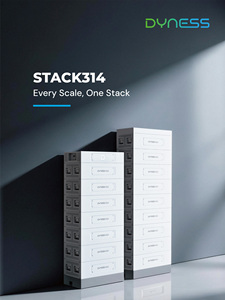
Dyness Stack314 High Voltage Module
Dyness Stack314 HV Module (153V 314Ah / 60kWh ESS)
High-cycle energy storage system rated for over 8000 cycles, engineered to match 3-phase industrial inverters seamlessly across grid-tied networks.
Send an Inquiry
Factory Prismatic LiFePO4 Cell Lineup
Factory Direct 3.2V 100Ah–345Ah LFP Prismatic Cells
Ultra-long cycle life prismatic cells tailored for OEM module packing, telecom backup, home storage systems, and heavy-duty motive power packs.
Send an Inquiry
120+
Years Combined R&D Expertise
1000V
Max System DC Architecture
8000+
Deep Cycles @ 80% DoD
ISO/ITAR
Certified Quality Compliance

Whitepaper: Engineering Custom OEM High Voltage Lithium Battery Modules

As global decarbonization accelerates and commercial energy consumption escalates, global equipment manufacturers (OEMs), systems integrators, and engineering procurement contractors (EPCs) are transitioning rapidly from traditional low-voltage (48V/72V) battery architectures toward High-Voltage (HV) Lithium DC Systems (spanning 400V to over 1000V). Operating at elevated voltages significantly reduces resistive current losses ($I^2R$), drastically cuts copper cable sizing, and boosts systemic round-trip efficiency (RTE) up to 98% in grid-tied solar storage, heavy industrial electromobility, and critical backup infrastructures.

As a leading custom OEM high voltage lithium battery modules exporter, our organization bridges the gap between electrochemistry engineering and complex system integration. Leveraging over 120 years of collective technical expertise, AS9100 quality standards, and ITAR compliance capabilities, we deliver fully customized battery modules and containerized energy storage systems tailored precisely to OEM specifications.

Technical Information Gain: Transitioning a 100kWh system from 48V to 400V cuts current requirements from 2,083A down to 250A. This 88% reduction in operating current reduces thermal stress on busbars, eliminates heavy cabling, and improves inverter efficiency by 3.2%–4.5% across commercial discharge cycles.

Why High Voltage Lithium Modules Outperform Traditional Low Voltage Systems

When engineering large-scale commercial power systems—ranging from 50kWh microgrids to multi-megawatt-hour utility installations—voltage configuration governs overall system economics and operational reliability. Below is an engineering comparison evaluating system dynamics across critical parameters:

Performance Metric Low Voltage System (48V Nominal) High Voltage OEM Stack (400V - 1000V DC) OEM Engineering Advantage
Current for 100kW Output 2,083 Amperes 250 Amperes (@ 400V) / 100 Amperes (@ 1000V) Massive current reduction; minimizes copper footprint
Cable Cross-Section Needed 2x 300 mm² heavy copper leads 35 mm² to 50 mm² standard HV flexible cabling Lowers installation complexity & material cost by 65%
Round-Trip Efficiency (RTE) 88% - 91% (High thermal losses) 95.5% - 98.2% (Minimal resistive heat) Higher energy harvest per kilowatt-hour deployed
BMS Communication Protocol Basic Single-Bus CAN 2.0B Daisy-chain Iso-SPI / Ethernet / Modbus TCP Millisecond-level multi-stack telemetry control
Thermal Management Load High local heat density at terminals Distributed low thermal generation Allows compact liquid cooling or forced-air design

Core Chemistry Selection: LFP vs. NCM vs. Solid-State for OEM Exporters

Selecting the optimal lithium-ion chemistry depends heavily on payload limits, thermal ambient ranges, cycle endurance, and target unit economics:

LiFePO4 (Lithium Iron Phosphate)

The gold standard for stationary storage, UPS cabinets, and heavy machinery. Utilizing premium 3.2V 280Ah, 304Ah, and 314Ah prismatic cells (from CATL, REPT, Hithium, CALB), LFP modules provide exceptional thermal stability (thermal runaway threshold >270°C) and reach 6,000–10,000 continuous cycles at 80% Depth of Discharge (DoD).

NCM / Lithium Nickel Manganese Cobalt

Optimized for space-constrained, weight-sensitive applications such as electric commercial vehicles, marine propulsion, and mobile power packs. Offers superior gravimetric energy density (up to 260 Wh/kg), delivering maximum voltage density per cubic meter of battery enclosure space.

Solid-State LiPo Technologies

Next-generation pouch cell configurations (20000mAh–50000mAh) designed for long-endurance drones, UAVs, and defense apparatus. Solid-state polymer electrolytes provide higher energy density (>300 Wh/kg), reduced volatile gassing, and operational safety under high-discharge C-rates.

Proprietary Smart BMS & High-Voltage Stack Safety Architecture

High voltage series connections demand rigorous sub-system management. Connecting 128 to 320 cells in series to achieve 400V–1000V DC means a single weak cell can jeopardize system throughput or create localized thermal events. As a custom OEM exporter, our battery modules integrate multi-tier master-slave Smart Battery Management Systems (BMS) equipped with advanced functional safety controls:

  • Active Equalization Balancing: High-efficiency bi-directional active balancing (2A to 5A balancing current) dynamically transfers charge from high-voltage cells to lower cells during both charge and discharge phases, recovering up to 12% usable capacity lost in passive balancing systems.
  • Iso-SPI Daisy-Chain Telemetry: High-speed galvanic isolation communication architecture ensures noise-immune data transfer between module-level monitoring ICs and the Master High-Voltage Control Unit (HVCU).
  • Multi-Layer Insulation Isolation Monitoring: Real-time detection of high-voltage isolation resistance to chassis ground ($>500 \Omega/\text{V}$ threshold compliance), preventing short-circuit conditions or touch-hazard risks.
  • Thermal Runaway Mitigation: Module enclosures feature built-in aerogel thermal barriers, directionally vented pressure relief valves, and optional integrated liquid cooling cold plates capable of dissipating thermal energy under continuous 2C discharge loads.

Future Global Procurement & Market Trends for High-Voltage Battery Modules (2026–2035)

Purchasing directors and OEM engineers must structure supply contracts according to evolving regulatory frameworks and technological advancements. Key market shifts transforming high-voltage battery module procurement include:

1. Shift toward 314Ah+ High-Capacity LFP Standard Cells

The global grid-scale ESS market has shifted standard cell purchasing from 280Ah to 314Ah prismatic formats without altering physical outer module dimensions. This transition increases rack energy density by 12% (yielding 5MWh+ per standard 20ft container), directly lowering shipping container freight costs per kilowatt-hour for international importers.

2. Stringent Environmental & Traceability Regulations

With regulations like the European Union Battery Directive (2023/1542) taking effect, exporters must provide verified carbon footprint passports, ethical raw material sourcing validation, and full digital lifecycle tracking via laser-etched QR codes on every single cell and high-voltage module assembly.

3. Integration of Direct-to-Chip AI Predictive Diagnostics

Modern commercial battery procurement agreements increasingly require cloud-connected edge computing BMS. Cloud-based machine learning models monitor internal resistance growth, lithium plating indices, and micro-short indicators weeks before physical cell anomalies manifest, extending asset warranty life beyond 10 years.

Enterprise Advantages: Why Global OEMs Partner With Us

Our engineering and manufacturing capabilities leverage over 120 years of collective industry leadership. As an authorized battery assembler and exporter working alongside global tier-1 partners (including Amprius, Energizer, NanoGraf, Dyness, CATL, and REPT), we offer unmatched manufacturing security:

100% US-Engineered & ISO Certified Quality

From Hackensack, New Jersey to worldwide OEM delivery points, our facilities follow AS9100, ISO9001, and ITAR defense-grade engineering standards. Every custom pack undergoes 100% automated end-of-line (EOL) testing including high-pot insulation, internal resistance, and dynamic load testing.

Flexible Customization from Cell to Enclosure

We don't force off-the-shelf constraints. Our mechanical teams model custom sheet-metal cabinets, aluminum end-plate clamped modules, IP67 waterproof sealed cases, and specialized busbar configurations tailored to your exact mechanical envelope.

Global Logistics & Hazardous Goods Compliance

Navigating UN 38.3, IEC 62619, UL 1973, UL 9540A, and DG Class 9 transport logistics can be daunting. We deliver fully certified turn-key modules ready for immediate integration into your production line without regulatory delays.

Frequently Asked Questions (FAQ) for OEM Battery Procurement

What minimum system voltage qualifies as a "High-Voltage" lithium battery module?
In industrial and energy storage terminology, systems operating above 60V DC are considered high-voltage due to insulation requirements. However, commercial high-voltage battery modules typically operate in series strings generating between 200V DC and 1000V DC ( matching standard 3-phase 380V/480V grid tie inverters).
How do you prevent thermal runaway propagation between prismatic cells within a module?
Our custom modules incorporate multi-layered thermal barrier insulation sheets (aerogel or ceramic paper rated up to 1200°C) placed between adjacent cells. Additionally, structural aluminium end plates and directional top-venting paths ensure that in the rare event of a cell venting, high-temperature gasses escape safely without breaching adjacent cells.
What is the typical cycle life expectation for your 314Ah high-voltage energy storage stacks?
Utilizing Grade A LFP chemistry operating under nominal temperatures (25°C ± 5°C) at 0.5C charge/discharge rates, our 314Ah modules deliver ≥8,000 continuous cycles to 80% remaining state-of-health (SoH). This equates to over 15 to 20 years of daily single-cycle operation in solar energy storage applications.
Can you custom design High-Voltage modules for heavy vehicle or marine applications?
Yes. We custom engineer ruggedized battery modules designed to withstand heavy vibration (tested to UN 38.3 and ISO 16750 standards). We utilize thick-walled aluminum structural housings, laser-welded flexible copper busbars, and IP67/NEMA 4X sealed enclosures equipped with liquid cooling chill plates.
What certifications accompany your exported high voltage lithium battery shipments?
All exports are shipped with comprehensive compliance documentation including UN 38.3 Transport Safety Certification, MSDS, Safety Data Sheets, Certificate of Analysis (CoA), and test compliance reports for UL 1973, UL 9540A, CE, and IEC 62619 where required by destination customs.
What is the engineering lead time for custom OEM module prototyping and mass production?
Initial mechanical CAD drawings, electrical schematics, and BMS parameter mapping are completed within 1 to 2 weeks. Prototype sample modules are typically delivered in 4 to 6 weeks following approval, with full scaled OEM mass production lead times ranging from 6 to 10 weeks depending on cell availability and custom tooling requirements.

Partner with a World-Class OEM Battery Exporter

Need custom voltage configurations, specialized BMS protocols, or high-capacity LFP/NCM modules for your next commercial deployment? Speak directly with our senior electrochemistry and mechanical engineering team.