Engineered for extreme environmental resilience, high thermal stability, and maximum volumetric efficiency. Explore our direct factory export products designed for defense, aviation ground support, and commercial grid energy storage.
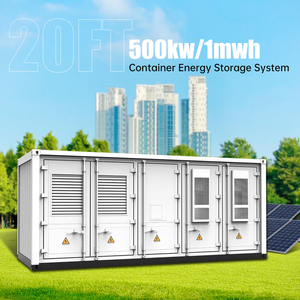
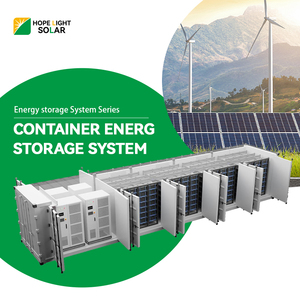
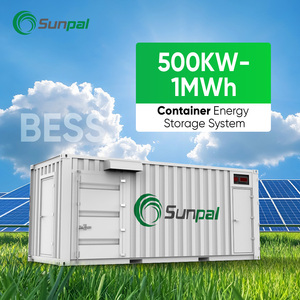
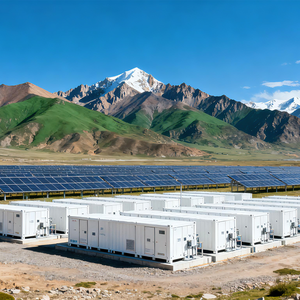
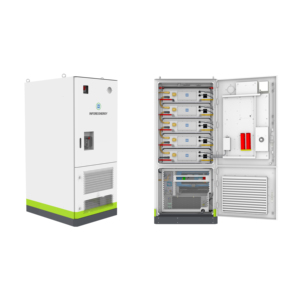
The global shift toward high-energy-density electrification across unmanned aerial vehicles (UAVs), electric vertical takeoff and landing (eVTOL) aircraft, defense aerospace electronics, and mission-critical ground energy storage has radically reshaped battery procurement parameters. Standard commercial-grade lithium-ion packs no longer suffice for environments subject to high-altitude depressurization, extreme temperature fluctuations (-40°C to +65°C), multi-axis mechanical vibration, and stringent zero-thermal-propagation regulatory mandates.
As China solidifies its position as the global epicenter for battery cell manufacturing and advanced energy storage systems (ESS), elite Chinese aerospace-grade lithium battery assembly manufacturers have evolved from simple pack assemblers into full-stack engineering research institutions. Armed with automated laser-welding production lines, 100% cell internal resistance (IR) matching algorithms, and aerospace compliance certifications such as AS9100D, ISO9001, UN 38.3, and DO-160G environmental testing, top-tier Chinese manufacturers offer global OEMs an unmatched combination of technical precision and supply chain scale.
Building high-voltage lithium battery assemblies for aerospace, military ground support, and industrial energy storage containers requires overcoming three main physical degradation channels: mechanical stress, thermal runaway propagation, and electrical impedance mismatching. Top Chinese custom battery pack manufacturers utilize advanced manufacturing methodologies that set them apart in the international export ecosystem:
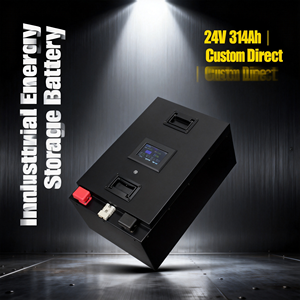
Every prismatic 314Ah or cylindrical 18650/21700 cell undergoes automated 4-point probe screening. Voltage tolerance is constrained within < 2mV and internal resistance variations below < 0.5mΩ, eliminating weak-link premature pack aging.
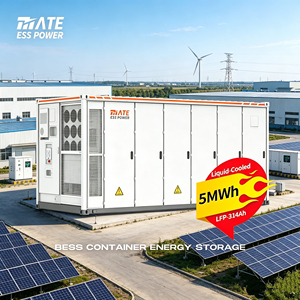
Liquid cooling cold-plates integrated directly between 314Ah cell faces maintain thermal gradients under 3°C across massive 5MWh containerized systems, preventing localized hotspots during high C-rate discharge cycles.
High-reliability triple-tier architecture (BMU, BCU, BMM) featuring real-time state-of-health (SOH) tracking, active balance currents up to 5A, automated insulation monitoring, and native CANbus 2.0B / Modbus TCP integration.
Selecting the optimal lithium chemistry dictates energy density, volumetric payload limits, safety margins, and total cost of ownership (TCO). Below is a comprehensive engineering comparison of lithium battery chemistry assemblies sourced from leading Chinese exporters:
| Battery Chemistry | Gravimetric Energy Density | Cycle Life (80% DOD) | Thermal Runaway Onset | Aerospace & Industrial Suitability |
|---|---|---|---|---|
| LiFePO4 (LFP 314Ah Prismatic) | 170 - 190 Wh/kg | > 8,000 Cycles | +270°C (Exothermic Reaction Slow) | Optimal for BESS & Ground Support |
| High-Nickel NMC (811 / 622) | 260 - 300 Wh/kg | 1,500 - 3,000 Cycles | +210°C (Requires Active Fire Protection) | Ideal for Drones, UAV & Aviation |
| Silicon-Anode Solid-State Hybrid | 350 - 450 Wh/kg | 1,000 - 2,000 Cycles | +320°C (Ultra-Stable Polymer/Ceramic) | Next-Gen eVTOL & Defense Aerospace |
| Lithium Titanate (LTO) | 90 - 110 Wh/kg | > 25,000 Cycles | +400°C (Inherently Safe Chemistry) | Extreme Cold (-40°C) Military Ops |
As OEM procurement teams re-evaluate supply chain resilience and technical compliance, procurement dynamics for aerospace-grade and heavy commercial battery assemblies are undergoing a fundamental transformation. Procurement leaders must align their purchasing strategies with four decisive industry shifts:
1. Transition to High-Capacity 314Ah LFP Standard in Containerized Systems: The energy storage industry is rapidly phasing out legacy 280Ah cells in favor of next-generation 314Ah prismatic cells. This shift yields a 12% increase in energy density within standard 20ft/40ft container enclosures, reducing overall land footprint and Balance of System (BOS) costs for mega-watt scale installations.
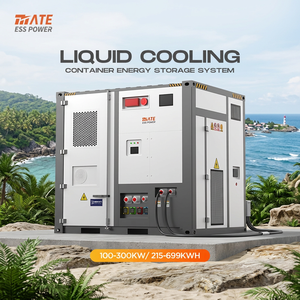
2. Adoption of Liquid Cooling over Air Cooling: Driven by stringent safety mandates (such as NFPA 855 and UL 9540A), global buyers are shifting toward liquid-cooled BESS containers (like the 5MWh Liquid Cooling Container ESS). Liquid cooling reduces auxiliary power consumption by up to 30% and keeps pack temperature differentials under control, drastically extending cycle life in desert or tropical deployment zones.
3. AI-Driven Predictive Maintenance & Cloud BMS Telemetry: Enterprise buyers are demanding real-time battery analytics. Next-generation battery assemblies exported from China now embed IoT edge-computing modules capable of predicting internal short circuits, dendrite growth, and cell degradation trends months before physical failure occurs.
4. Modular Certification & Supply Chain Traceability: Overseas buyers require comprehensive compliance documentation. Leading Chinese manufacturers now supply full cell-to-pack carbon footprint audits, UN38.3 transport safety reports, and AS9100D/ITAR-compatible quality records to facilitate seamless cross-border customs clearance and military/commercial integration.
When selecting a Chinese battery assembly exporter, technical capabilities must be backed by verifiable manufacturing infrastructure. Our manufacturing facilities combine decades of combined engineering heritage with cutting-edge production lines:
Our senior engineering executive team brings over a century of combined experience across electrochemistry, mechanical enclosure design, PCB firmware development, and international export logistics.
As authorized assemblers and strategic supply chain partners with top cell tier brands (CATL, EVE, Energizer, Amprius, NanoGraf), we guarantee authentic Grade-A cell chemistry for every build.
Every custom battery assembly undergoes rigors including environmental thermal shock chambers, 3-axis vibration tables (MIL-STD-810H), short-circuit testing, and automated C-rate capacity verification.
Key technical and commercial queries mined from enterprise buyers, defense procurement directors, and microgrid systems integrators worldwide.
Aerospace-grade lithium assemblies utilize potting compounds for shock absorption, micro-arc welded copper/aluminum busbars, redundant BMS dual-microprocessors, aerospace environmental sealing (IP67/IP68), and compliance with DO-160G and MIL-STD-810H standards to withstand high altitude, vibration, and extreme temperature thermal shocks.
Top Chinese manufacturers implement multi-layered safety barriers: cell-level directional explosion-proof vents, aerogel thermal insulation blankets between prismatic cells, pack-level liquid cold plates, and automated gas/aerosol fire suppression systems linked directly to the primary emergency contactor trip circuit.
Key international standards include UN 38.3 (transportation safety), IEC 62619 (industrial lithium safety), UL 1973 (stationary battery packs), UL 9540A (thermal runaway fire propagation testing), and CE/EMC compliance for electronic controllers.
Standard custom containerized energy storage prototypes require 4 to 6 weeks for engineering CAD/BMS customization, followed by 6 to 8 weeks for cell matching, assembly, fire system integration, and factory acceptance testing (FAT) prior to ocean freight shipping.
Unmatched cells cause early voltage cutoff during charge/discharge, reducing usable pack capacity by up to 25% and accelerating pack failure. By enforcing < 2mV voltage and < 0.5mΩ IR tolerances, battery assemblies achieve over 8,000 cycles at 80% DOD.
Yes. Custom BMS platforms support native communication protocols including Modbus RTU, Modbus TCP, CANbus 2.0B, Ethernet/IP, and SNMP, enabling seamless telemetry sharing with inverter systems (SMA, Victron, Sungrow, Deye) and enterprise SCADA software.