Engineered to meet rigorous global standards (UL1973, UL9540A, IEC62619, CE, UN38.3). Explore our customizable commercial, industrial, and utility-scale battery solutions.
Combining over 120 years of collective engineering heritage, authorized Tier-1 cell partnerships, advanced smart BMS firmware design, and automated high-precision manufacturing processes.
We work strictly with top-tier battery cell chemistry providers (CATL, EVE, BYD, Amprius, Energizer) utilizing Grade-A Prismatic and Cylindrical cells. Prior to pack assembly, every single cell undergoes automated 100% sorting for capacity, internal resistance (ΔR < 0.5mΩ), and voltage variance (ΔV < 2mV) to eliminate weak links and ensure extended system longevity exceeding 6,000 to 10,000 operational cycles.
Our custom hardware-in-the-loop (HIL) BMS engineering team designs full-stack management systems supporting CANbus 2.0B, RS485, Ethernet, and Modbus TCP/RTU protocols. Featuring active cell balancing (up to 5A balancing current), predictive State-of-Health (SoH) metrics, early-stage thermal runaway warning algorithms, and cloud telemetry integration for seamless connection with industrial microgrids and PCS inverters.
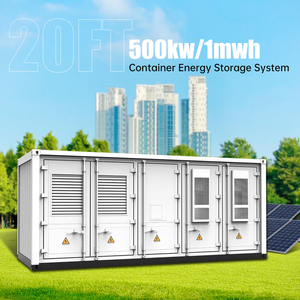
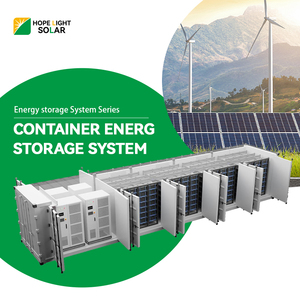
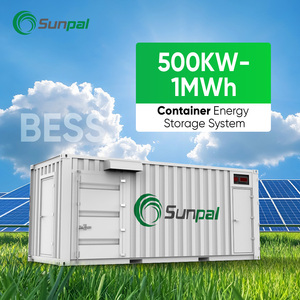
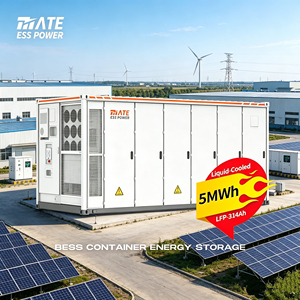
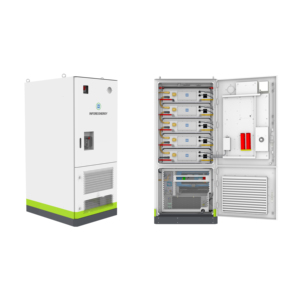
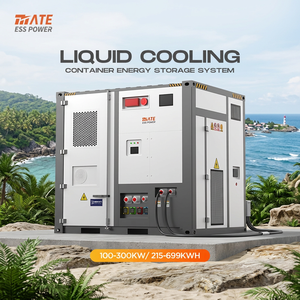
From 233kWh decentralised industrial cabinets to 5MWh 40ft containerized storage systems, we offer engineered thermal containment solutions. Our liquid-cooling BESS architectures maintain intra-pack thermal variance under ≤ 2.5°C, significantly reducing auxiliary power consumption while extending life cycle expectations by 20% compared to traditional forced-air systems.
Safety is non-negotiable in energy storage engineering. Our OEM containers integrate multi-stage fire suppression systems complying with NFPA 855 and UL9540A test standards, featuring combustible gas detection (CO / H2), aerosol or Novec 1230 flooding agents, thermal insulation barriers between modules, and auto-actuating isolation dampers.
We streamline market access for international equipment buyers by providing complete certification support. Every customized unit is validated through automated End-of-Line (EOL) test benches and certified to meet UN38.3, IEC 62619, IEC 62133, UL 1973, CE, and ISO 9001/14001/45001 operational standards.
From initial feasibility studies and 3D mechanical enclosure modeling to customized software protocols and high-volume mass production, our China export production facility offers a seamless 6-stage engineering lifecycle tailored for system integrators, EPC contractors, and brand owners worldwide.
The global battery manufacturing landscape is experiencing a paradigm shift driven by renewable energy grid insertion, electrification of commercial transport, and extreme demand for localized industrial resilience. As China's premier custom OEM factory platform, we actively incorporate emerging battery chemistry, mechanical integration, and digital monitoring technologies into client builds.
The energy storage industry is rapidly transitioning from the long-standing standard 280Ah cell to high-capacity 314Ah and next-generation 560Ah LiFePO4 cells. This volumetric shift enables standard 20ft containerized battery systems to achieve energy densities up to 5MWh per unit (a 40%+ increase in volumetric footprint efficiency). OEMs benefit from fewer cell connections, lowered internal thermal loss, and streamlined BMS wire routing.
While air cooling remains cost-effective for smaller stationary systems, high-power industrial microgrids and peak-shaving units demand liquid thermal management. Direct-to-pack liquid cold plates utilize glycol-water fluids to isolate cell temperatures within tight operating bands (20°C to 30°C). Maintaining low internal temperature differentials drastically mitigates localized thermal degradation, boosting system round-trip efficiency (RTE) above 92% and preventing premature capacity fading.
Modern commercial battery systems are no longer isolated hardware boxes—they are connected IoT energy assets. Advanced BMS architectures now feature cloud edge computing interfaces that feed operating logs (voltage, current, temperature gradient, state of charge, insulation resistance) into AI predictive engines. These engines calculate real-time lithium plating risks, estimate true remaining useful life (RUL), and flag abnormal cell behavior weeks before potential thermal incidents occur.
| Technology Parameter | Standard Legacy BESS (Air-Cooled) | Next-Gen Custom OEM BESS (Liquid-Cooled) | Engineering Advantage |
|---|---|---|---|
| Cell Platform | 280Ah LiFePO4 Cells | 314Ah / 560Ah Ultra-Density Cells | +41% Volumetric Energy Density Boost |
| Intra-Pack Temp Delta (ΔT) | ≤ 5.0°C to 8.0°C | ≤ 2.0°C to 2.5°C | Extends overall pack lifespan by up to 20% |
| Container Footprint | 3.35 MWh in 20ft Container | 5.0 MWh in 20ft Container | Drastic reduction in EPC civil engineering site costs |
| Auxiliary Power Consumption | High (Continuous Fan Load) | Low (Smart Variable Pump Control) | Reduces parasitic system power draw by 30-40% |
| Protection & Sealing | IP54 Rated Cabinet | IP67 Sealed Cell Compartment | Superior resistance against humidity, dust & salt spray |
Procurement executives, EPC contractors, and OEM engineers face evolving regulatory frameworks, dynamic supply chain movements, and tightening lifecycle accountability. Successfully navigating the procurement landscape for custom battery solutions from China requires a long-term strategic approach focused on total cost of ownership (TCO) rather than raw initial capital expenditure (CAPEX).
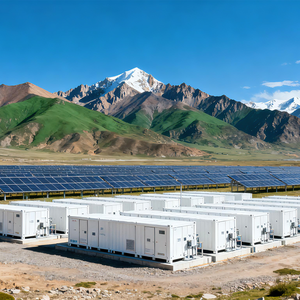
Global buyers are abandoning highly bespoke, non-standardized battery configurations in favor of modular, scalable building blocks. By specifying standard 215kWh–372kWh outdoor cabinets or 10ft/20ft containers that can be connected in parallel, buyers reduce project lead times from months to weeks while preserving the flexibility to scale capacity in the future.
With regulations such as the EU Battery Regulation coming into force, international buyers require end-to-end material traceability. Sourcing from reputable Chinese OEM exporters ensures clear verification of raw material origins (lithium, cobalt, nickel), carbon footprint tracking during manufacturing, and adherence to certified labor standards.
Successful procurement relies on direct manufacturer collaboration. Rather than simply purchasing off-the-shelf items, Tier-1 buyers work closely with factory engineering teams to co-develop tailored BMS firmware, custom physical enclosures suited for harsh operating environments, and localized after-sales support protocols.
Expert technical insights to guide your OEM sourcing, factory audits, specification alignment, and international shipping requirements.
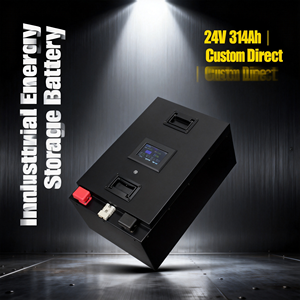
Whether you need a custom 24V 314Ah industrial power module, a 233kWh outdoor commercial storage cabinet, or a multi-megawatt liquid-cooled 5MWh containerized BESS—our engineering team is ready to deliver your custom solution.
Send an Inquiry