Explore our CE-certified subsea-compatible battery modules, containerized energy storage units, and custom high-voltage lithium packs engineered for extreme ocean depth reliability.
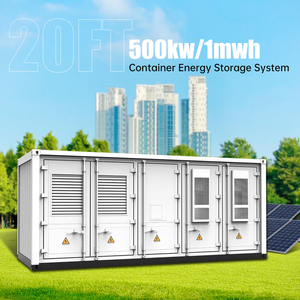
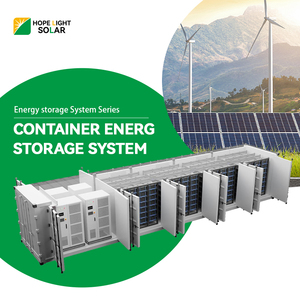
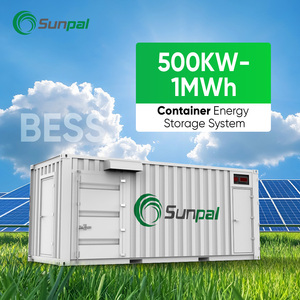
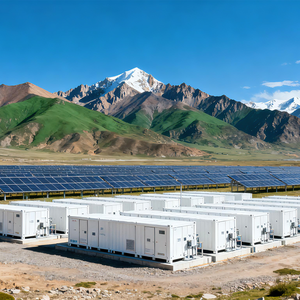
Deploying electrical power systems in oceanographic and deep subsea environments represents one of the most punishing engineering challenges in modern energy infrastructure. Operating at abyssal depths exceeding 3,000 meters subjects subsea structures to hydro-static pressures greater than 30 MPa (approx. 4,350 psi) alongside high salinity, hyper-corrosive galvanic conditions, and extreme ambient temperature fluctuations. Subsea energy storage units are critical for powering Autonomous Underwater Vehicles (AUVs), Remotely Operated Vehicles (ROVs), benthic monitoring stations, subsea Christmas trees, offshore oil & gas production nodes, and subsea buffer stations for floating offshore wind turbines.
Information Gain Key Takeaway: Unlike standard surface-level Battery Energy Storage Systems (BESS) encased in ISO containers, Subsea Battery Enclosures require dual-paradigm engineering: choosing between Rigid Pressure Vessels (Metallic/Non-Metallic) capable of maintaining 1-atm internal pressure, and Pressure-Balanced Oil-Filled (PBOF) flexible systems where cells operate directly within dielectric fluid under full ambient hydrostatic hydrostatic equilibrium.
As a global leading manufacturer, supplier, and exporter of CE Certified Subsea and Deep Ocean Battery Enclosures, our organization bridges aerospace-grade precision manufacturing with heavy marine off-shore reliability. Built upon over 120 years of collective battery pack design, automated mechanical assembly, and smart BMS integration expertise, our subsea power pods provide uncompromised longevity, safety, and regulatory compliance.
Selecting the optimal material and mechanical architecture is vital to eliminate hydrogen accumulation risk, galvanic crevice corrosion, and structural deformation. Our engineering teams utilize finite element analysis (FEA) to design pressure hulls and containment structures tailored for specific benthic deployment depths.
The table below highlights key performance metrics of metals and alloys used in our CE-certified subsea battery enclosures:
| Enclosure Material | Yield Strength (MPa) | PREN Corrosion Rating | Subsea Depth Application | Relative Weight Factor |
|---|---|---|---|---|
| Titanium Ti-6Al-4V (Grade 5) | 880 - 950 | > 45 (Immune to seawater) | 3,000m - 6,000m (Abyssal Zone) | Ultra-Lightweight (4.43 g/cm³) |
| Super Duplex Stainless 2507 | 550 - 750 | 42 - 45 (Exceptional) | 1,000m - 3,000m (Bathyal Zone) | Moderate-Heavy (7.8 g/cm³) |
| Anodized Aluminum 6061-T6 / 7075 | 275 - 500 | Requires Hardcoat Anodizing | 0m - 1,000m (Shallow / AUVs) | Lightweight (2.70 g/cm³) |
| Nickel Alloy Inconel 625 | 460 - 600 | > 50 (Extreme Resistance) | Deep Offshore Drilling Rigs | Heavy Duty (8.44 g/cm³) |
As a senior global exporter, our subsea battery enclosures carry comprehensive CE certification, validating safety, electromagnetic compatibility, environmental protection, and operational security under European Directive standards. Exporting subsea power storage systems requires compliance across multiple complex safety layers:
Ensures robust electrical insulation, creepage clearance, and high-voltage isolation within liquid or pressurized battery compartments up to 1500V DC.
Guarantees zero radio-frequency or electromagnetic interference (EMI) with subsea acoustics, hydrophones, sonar nav systems, and optical communications.
Enforces full material traceability, carbon footprint disclosure, state-of-health (SoH) monitoring, and recycled content quotas for exported marine storage units.
Rigorous thermal testing, altitude simulation, 50G mechanical shock, vibration, and external short-circuit testing for safe air/sea transport.
Optional explosive atmosphere protection (Zone 1 / Zone 2) for subsea enclosures connected to offshore oil & gas hydrocarbon wellheads.
Class certification for offshore installations, validating resistance to low-frequency hull vibrations, thermal shock, and salt-mist humidity.
The subsea energy sector is undergoing a massive transformation driven by ocean electrification, subsea carbon capture & storage (CCS), offshore green hydrogen production, and persistent autonomous seabed robotics. Procurement directorates and subsea system integrators must position their supply chains to align with upcoming technology shifts:
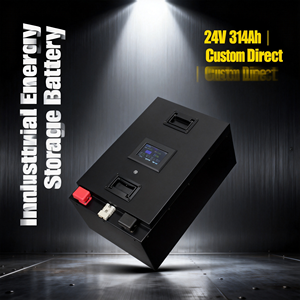
Historically, subsea applications relied on flooded lead-acid batteries inside pressure-balanced oil boxes due to their inherent pressure resistance. Today, advanced Lithium Iron Phosphate (LiFePO4) with 314Ah cells and emerging Solid-State Electrolyte chemistries dominate procurement specs. LiFePO4 provides superior gravimetric energy density (>160 Wh/kg), zero thermal runaway propagation risk, and exceptional cycle life (>6,000 cycles at 80% DoD), reducing expensive subsea retrieval and maintenance interventions.
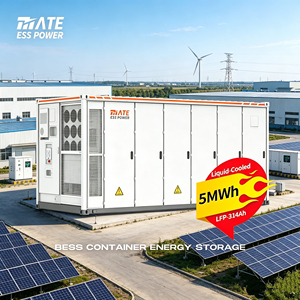
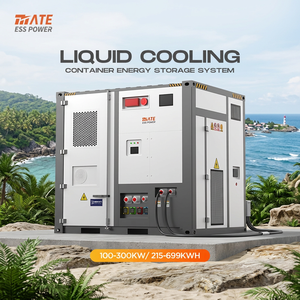
As offshore wind farms migrate further into deep water using floating foundations, subsea BESS units serve as local frequency regulation buffers. Modern BESS procurement favors containerized 1MWh to 5MWh systems utilizing active liquid-cooling technology. Liquid cooling maintains cell temperature variance within <2°C, preventing localized hotspotting and extending system lifespans by up to 25% under continuous high-C-rate charge/discharge cycles.
Modern subsea battery enclosures no longer operate as black boxes. Procurement requirements now dictate smart Battery Management Systems (BMS) equipped with RS-485, CANbus, and Subsea Ethernet protocols capable of interfacing directly with underwater acoustic modems. Real-time telemetry delivers micro-cell voltage tracking, internal moisture detection, pressure differential sensing, and state-of-health diagnostics back to surface operators via satellite networks.
With over 120 years of collective engineering heritage, our facility serves as a world-class OEM manufacturer and authorized assembler for custom battery packs, smart BMS boards, and deep-ocean enclosure systems. We serve defense contractors, medical equipment OEMs, industrial BESS developers, and offshore energy leaders worldwide.
Certified aerospace and defense quality management system guarantees 100% trace-ability for every weld, cell batch, and enclosure seal.
Fully compliant with U.S. International Traffic in Arms Regulations, qualified to supply military-grade subsea defense battery solutions.
Equipped with hyperbaric pressure testing chambers capable of simulating seabed environments down to 600 Bar hydrostatic pressure.
Whether you require standard 10ft/20ft/40ft BESS containers, custom subsea AUV battery pods, or custom-engineered LiFePO4 battery enclosures with specialized wet-mateable connectors (SubConn / Micro-Seacon compatible), our engineering staff delivers turnkey solutions from concept to subsea commissioning.
Partner with an established USA-backed manufacturer and global exporter for your subsea energy projects. Contact our application engineering team today to review CAD drawings, FEA depth simulations, or receive a fast-track wholesale proposal.
Get a Quote