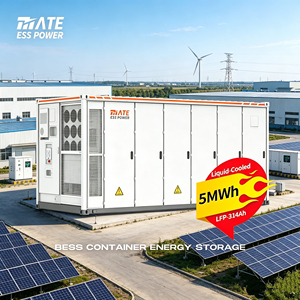
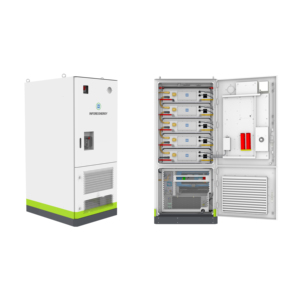
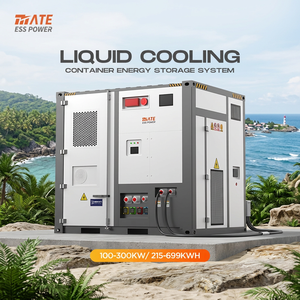
CE-compliant low-temperature LiFePO4 assemblies, liquid-cooling ESS containers, and heavy-duty industrial energy storage solutions built for rugged climates.
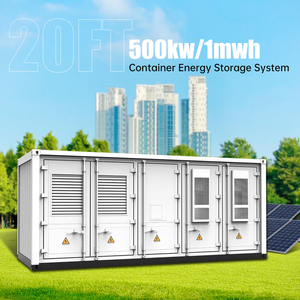
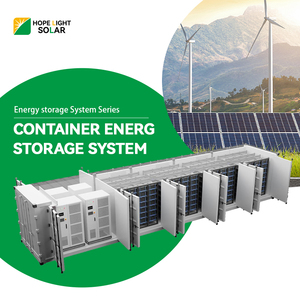
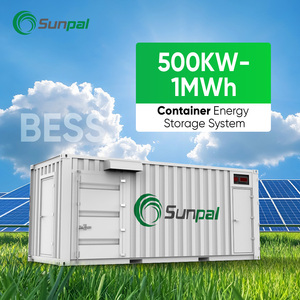
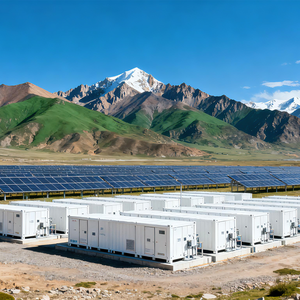
A technical deep-dive into sub-zero electrochemistry, electrolyte modifications, automated self-heating BMS architectures, and safety certifications for harsh industrial environments.
Standard commercial lithium-ion batteries suffer severe performance degradation when operating below 0°C. Cold ambient temperatures cause a drastic decrease in electrolyte ionic conductivity, increased solid electrolyte interphase (SEI) film impedance, and sluggish lithium-ion diffusion within the graphite anode matrix. At temperatures below -20°C, conventional cells experience internal resistance spikes up to 500%, resulting in severe voltage drop, usable capacity reduction down to 30%, and dangerous risk of metallic lithium plating during charging.
As a leading CE Certified Low Temperature Lithium Battery Assemblies Supplier, our engineering team solves these electrochemistry barriers through advanced electrolyte formulas incorporating low-viscosity organic solvents (such as ethyl acetate or fluoroethylene carbonate derivatives) combined with specialized nano-particle cathode surface coatings (LFP / NMC derivatives) that preserve charge acceptance down to -40°C.
Maintaining optimal internal cell temperatures is vital for long-term cycle life and operational safety. Custom low-temperature battery pack designs integrate dual-layer thermal management systems consisting of dynamic silicone heating pads, flexible PTC heating films, or liquid-glycol immersion heat exchangers embedded directly within cell modules.
Controlled by proprietary, multi-channel Smart BMS software, these active heating systems draw power from external grid inputs or internal self-heating algorithms prior to initiating charge cycles. This guarantees that cell core temperatures reach safe charging thresholds (+5°C to +10°C) automatically, fully eliminating the risk of dendritic growth, cell short-circuiting, and irreversible capacity loss during sub-zero rapid charging.
Comparing discharge retention, charging capabilities, and cycle longevity across sub-zero operating environments.
| Performance Specification | Standard LiFePO4 Packs | Low-Temp Modified LiFePO4 | Self-Heating Smart Assembly |
|---|---|---|---|
| Discharge Capacity Retention @ -20°C | 45% – 55% | 82% – 88% | 92% – 96% |
| Discharge Capacity Retention @ -40°C | < 15% (Inoperable) | 60% – 70% | 85% – 90% |
| Direct Sub-Zero Charging Capability | Prohibited (Damage Risk) | Low C-Rate (0.1C @ -10°C) | Full C-Rate (Self-Heated) |
| Cycle Life (80% DOD @ -20°C) | < 500 Cycles | 2,500+ Cycles | 6,000+ Cycles |
| CE Certification Standards Compliance | Basic EN 62133 | EN IEC 62619 / EN 61000 | EN IEC 62619 / UN38.3 / EMC |
Combining 120+ years of collective battery pack design expertise with state-of-the-art manufacturing, automated cell-matching, and military/medical grade quality controls.
From initial CAD enclosure modeling and thermal dissipation simulation to customized BMS firmware and nickel-copper busbar design, our engineering team delivers end-to-end custom battery pack turnkey solutions.
Every low-temperature assembly undergo rigorous testing to ensure 100% compliance with CE Directives (LVD 2014/35/EU, EMC 2014/30/EU), EN IEC 62619 for industrial lithium safety, and UN38.3 transport standards.
Integrated Smart BMS support CANbus, RS485, Modbus, and Bluetooth communications with real-time SOC/SOH tracking, individual cell balancing, remote diagnostics, and predictive thermal fault protection.
Enclosures built with aluminum-alloy structural frames, IP67 waterproof vacuum insulation panels (VIP), shock-absorbing silicone dampening matrices, and anti-condensation thermal barrier technology.
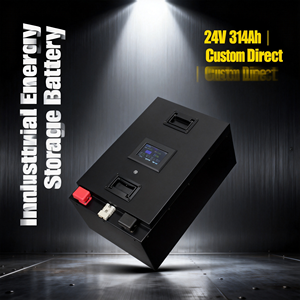
As authorized assemblers, we utilize Grade-A 314Ah, 280Ah, and high-rate 18650/21700/pouch cells direct from leading global cell foundries, ensuring minimal internal impedance matching (< 0.05 mΩ variant).
Serving global OEMs across North America, Europe, Asia, and remote polar regions. Complete supply chain reliability with scalable volume production capabilities from prototype to megawatt-scale ESS container shipments.
Analysis of technological shifts, global decarbonization directives, and procurement strategies shaping the next decade of extreme-environment energy storage.
Air-cooled containerized battery storage is rapidly yielding market share to closed-loop liquid-cooling systems. Liquid thermal management provides 30% higher thermal uniformity across large 314Ah cell matrices, reducing temperature variance between cells to under 2°C. In low-temperature environments, dual-circulating liquid thermal loops allow rapid pre-heating of gigawatt-scale BESS installations with minimal parasitic power draw.
Industrial procurement is shifting heavily from traditional 280Ah cells toward next-generation 314Ah lithium iron phosphate chemistry. Offering 11% higher energy density in identical physical footprints, 314Ah modules streamline containerized assembly layouts, lower balance-of-plant (BOP) expenditures, and significantly reduce installation costs for remote sub-zero microgrids.
Emerging semi-solid low-temperature electrolytes incorporating polymer-ceramic hybrid matrixes represent the future of extreme cold energy storage. Operating safely down to -50°C without risk of volatile thermal runaway, semi-solid state assemblies provide superior energy density (> 260 Wh/kg) while satisfying strict aerospace and defense procurement requirements.
Procurement specifications now heavily emphasize edge-computing Smart BMS paired with cloud analytics. Real-time machine learning algorithms evaluate cell impedance shifts during sub-zero operational cycles, anticipating insulation degradation, predicting thermal anomalies, and dynamically tuning heating elements to optimize round-trip efficiency (RTE).
Key technical considerations for procurement managers, systems integrators, and engineering leads sourcing low-temperature lithium assemblies.
Partner with an industry-leading CE Certified Low Temperature Lithium Battery Assemblies Supplier. Contact our engineering team today to review your project specifications, request technical datasheets, or schedule a 1-on-1 technical quote.