Technical Articles & News

Custom Battery Pack Insights & Resources

Industry knowledge, engineering insights, and technical advice from the Emerging Power team.

0%

Why Choose Custom Li-Polymer Battery Packs?

Custom Li-Polymer Battery Packs are designed around a product, not forced into one. That difference matters. A wearable device may need a thin pouch cell, a medical monitor may require stable discharge, and a compact drone may prioritize low weight. Standard batteries often leave unused space. Custom packs can fit the enclosure more precisely.

Dr. Shirley Meng, a respected battery materials scientist, offers a useful principle: “There is no one-size-fits-all battery.” Her point reflects practical engineering experience. Battery performance depends on chemistry, dimensions, current demand, protection systems, and operating conditions. A custom pack can combine the required voltage, capacity, connector, wire length, and battery management protection. It may also support better thermal planning.

Small details matter.

A carefully specified pack can reduce movement inside a device. It can simplify assembly and improve energy use. Engineers can test charging behavior, discharge performance, cycle life, and temperature response before production. Those tests support safer and more reliable design decisions. Certification requirements must also be considered early.

Customization is not automatically better. Poor measurements, unrealistic capacity targets, or weak quality control can create expensive problems. That part is easy to overlook. A reliable supplier should provide traceable cells, documented testing, suitable protection circuitry, and clear production controls. Experience matters here.

The strongest choice is not always the smallest or highest-capacity battery. It is the pack that matches the device, user, and real operating environment. Careful design may cost more initially. It can prevent larger failures later.
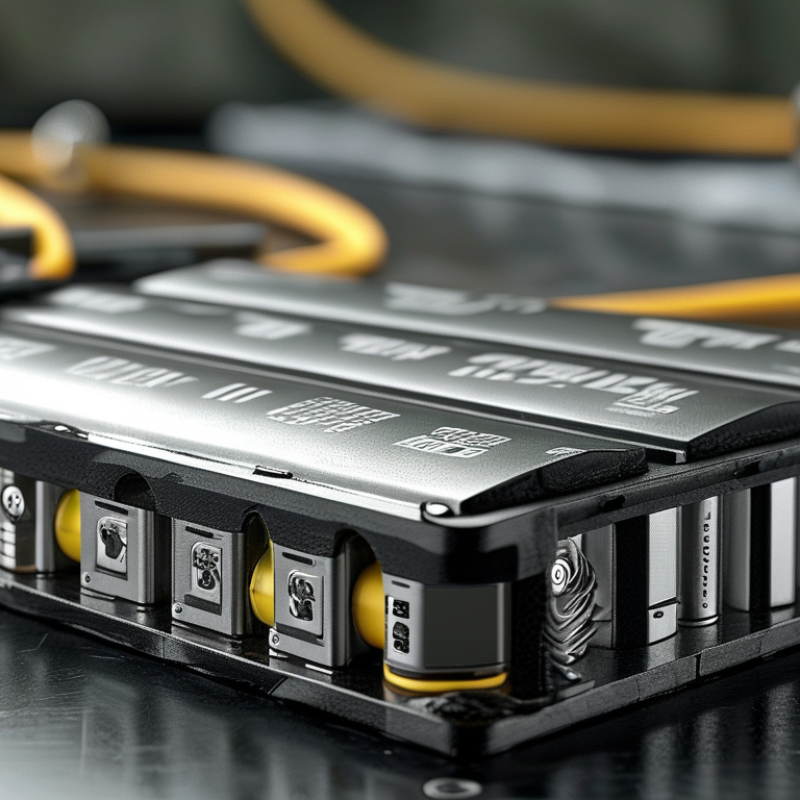
Why Choose Custom Li Polymer Battery Packs?

What Are Custom Lithium Polymer Battery Packs?

A custom lithium polymer battery pack is a rechargeable lithium-ion system designed around a specific product. It usually uses a flexible pouch cell, protection circuit, wiring, connector, and enclosure. Engineers can adjust its voltage, capacity, shape, and discharge rate. This matters when a battery must fit a slim medical monitor, inspection device, or compact aerial tool.

Li polymer packs offer useful design freedom. Their pouch format can reduce unused space inside irregular housings. A custom pack may also include temperature sensing, cell balancing, and controlled charging. These features support more predictable field performance. In 2023, battery demand for electric vehicles exceeded 750 GWh, according to the International Energy Agency’s Global EV Outlook 2024. That scale reflects rapid technical progress, but it does not make every battery design suitable for every product.

Cost still matters. BloombergNEF reported an average lithium-ion battery pack price of 115 dollars per kWh in 2024, a 20% annual decrease. Custom engineering can improve efficiency, yet low-volume production may increase the unit price. That trade-off deserves honest testing. A thinner pack may save space but lose mechanical strength or thermal margin. Designers should verify capacity after aging, connector stress, charging behavior, and performance in real operating temperatures. Specifications on paper are not enough.

How Are Custom Li Polymer Battery Packs Designed?

Why Choose Custom Li Polymer Battery Packs?

Custom Li Polymer battery packs are designed around the device, not selected from a generic shelf. Engineers begin by mapping voltage, current, runtime, charging limits, and available space. A medical monitor, wearable sensor, and portable instrument demand very different power profiles. Measurements matter.

The cell shape is then matched to the enclosure. Thin cells can fit beneath curved covers, while stacked cells may provide greater capacity in limited volume. Engineers also select tabs, connectors, insulation, and protective circuits according to real operating conditions. Temperature sensors help detect abnormal heat during charging or heavy use. A battery management system can control overcharge, over-discharge, current, and temperature risks.

Design teams usually build samples before approving production. They test capacity, cycle life, charging behavior, vibration, compression, and temperature changes. A pack may perform well in the laboratory yet fail after repeated cable movement. That is why practical testing must include the device, charger, and user habits. No design starts perfectly. Early prototypes often reveal wasted space, unexpected heat, or insufficient runtime. Those findings guide safer revisions.

Reliable engineering records every design change and test result. Qualified technicians inspect welds, insulation, dimensions, and electrical output during assembly. Compliance requirements also influence materials, labeling, transport preparation, and final testing. A custom pack is not simply a smaller or larger battery. It is a coordinated power system shaped by measurable requirements and verified through evidence.

Which Performance Benefits Do Custom Battery Packs Provide?

Why Choose Custom Li Polymer Battery Packs?

Custom lithium polymer battery packs can turn unused space into useful capacity. Engineers can shape a pouch around a curved enclosure, thin wall, or narrow handheld device. This design freedom may reduce dead space and simplify cable routing. It can also lower product weight. According to BloombergNEF’s 2023 Battery Price Survey, average lithium-ion pack prices reached 139 dollars per kilowatt-hour, down 14% from 2022. Cost matters, but fit matters too.

Performance depends on the operating profile. A tailored pack can match voltage, discharge current, connector placement, and thermal limits more precisely. That improves peak-power delivery for motors, cameras, and medical instruments. It may also extend usable runtime because fewer watt-hours are lost through oversized wiring or inefficient conversion. Small changes matter. A custom battery might reserve capacity for cold starts and limit charging near high temperatures. These controls support more stable performance.

Safety requires evidence, not attractive specifications. Designers should validate capacity, cycle life, abuse resistance, and temperature behavior under realistic loads. IEC 62133-2 and UN 38.3 provide important testing frameworks for rechargeable lithium batteries. The IEA’s Global EV Outlook 2024 also shows battery demand continuing to expand rapidly, increasing pressure for better energy efficiency and responsible testing. Customization is not magic. A poorly designed pack can create new risks, especially when thermal data is incomplete. In practice, measured results should outweigh optimistic estimates.

What Factors Guide Custom Battery Pack Selection?

Choosing a custom Li polymer battery pack starts with the device, not the battery catalog. Engineers examine voltage, capacity, peak current, charging speed, and available space. A thin enclosure may require a shaped pouch cell rather than a standard rectangular pack. Measure twice. Small errors can create pressure, heat, or poor connector alignment.

Operating conditions matter just as much. A medical monitor, handheld instrument, and outdoor sensor face different discharge patterns. Designers should review temperature ranges, expected cycle life, storage time, and vibration exposure. Protection circuits can help manage overcharge, over-discharge, short circuits, and excessive current. However, protection alone cannot fix an unsuitable cell design. I have seen projects focus heavily on capacity while overlooking peak loads and cable resistance.

Reliable selection also depends on testing and documentation. Ask for electrical test data, safety validation, dimensional drawings, and traceable production records. The pack should match applicable transport and product safety requirements in its target market. Charging behavior deserves practical testing with the final device, enclosure, and software. Laboratory results can look excellent, yet field performance may decline in cold rooms or after repeated fast charging. Cost is important, but a cheaper pack may demand more redesign, inspection, or replacement work. The best choice is usually the pack that fits the real operating conditions, not merely the highest capacity.

Where Are Custom Li Polymer Battery Packs Used?

Why Choose Custom Li Polymer Battery Packs?

Where Are Custom Li Polymer Battery Packs Used?

Custom lithium polymer battery packs appear wherever space, weight, and shape matter. They power smart watches, wireless sensors, handheld scanners, medical monitors, and compact drones. A pack can follow a curved enclosure or fit beneath a thin display. That flexibility helps engineers reduce empty space inside the product. It also supports cleaner cable routing and more stable mechanical assembly.

Portable medical equipment is one practical application. A bedside monitor may need several hours of operation during transport. A wearable sensor may require a thin cell that rests comfortably against skin. Industrial devices use custom packs in barcode terminals, inspection tools, and mobile robots. The International Energy Agency reported nearly 14 million electric car sales in 2023. That figure shows the wider demand for rechargeable battery systems, although small Li polymer packs serve different design needs.

Consumer electronics remain a major use area. The International Data Corporation reported strong global shipments of wearable devices in 2023, exceeding 500 million units. Many products need batteries shaped around speakers, cameras, or small circuit boards. Custom design can improve capacity without enlarging the enclosure. Still, engineers should not assume a custom shape solves everything. The fit may fail on the first build. Heat, charging speed, cycle life, and protection circuitry need physical testing. A thinner pack can also reduce mechanical tolerance. Real-world drops, cold storage, and daily charging often reveal weaknesses that drawings miss.

Why Choose Custom Li Polymer Battery Packs?

Custom lithium polymer battery packs can be shaped to fit compact products, configured for different voltage and capacity requirements, and integrated with protection circuits, connectors, and monitoring systems. They are commonly used in portable electronics, medical equipment, drones, robotics, and IoT devices.

The chart shows representative nominal voltage configurations frequently selected for different product types. A single Li polymer cell is typically rated at 3.7 V nominal and 4.2 V when fully charged; series and parallel configurations allow manufacturers to tailor voltage, capacity, shape, and current output.

FAQS

: What is a custom lithium polymer battery pack?

: It is a rechargeable power system designed for one specific device. It may include pouch cells, wiring, connectors, protection circuits, sensors, and an enclosure.

Why choose a custom battery pack instead of a standard pack?

Custom packs fit unusual spaces and specific power requirements. They can support curved housings, slim monitors, handheld instruments, or compact sensors. The fit may improve.

Which specifications should engineers define before designing the pack?

Engineers should define voltage, capacity, peak current, runtime, charging limits, and available space. They should also consider temperature, vibration, storage time, and expected cycle life. Measure twice.

How does the battery shape affect product design?

Flexible pouch cells can reduce unused space inside irregular housings. Stacked cells may provide more capacity within a limited area. However, thinner cells may reduce mechanical strength or thermal margin.

What safety features can a custom pack include?

The pack may include protection against overcharging, over-discharging, short circuits, and excessive current. Temperature sensors can identify abnormal heat during charging or heavy use. Protection circuits cannot fix every design mistake.

How are custom battery packs tested?

Engineers may test capacity, charging behavior, cycle life, vibration, compression, and temperature changes. Testing should include the final device, charger, enclosure, and software. Laboratory results are not enough.

What problems can appear during prototype testing?

Prototypes may reveal wasted space, unexpected heat, poor connector alignment, or insufficient runtime. Repeated cable movement can also damage a weak connection. No design starts perfectly.

How should buyers evaluate a custom battery supplier?

Request electrical test data, dimensional drawings, safety validation, and traceable production records. Ask how technicians inspect welds, insulation, dimensions, and electrical output. Documentation matters.

Does higher capacity always mean a better battery pack?

No. A higher-capacity pack may have poor peak-current performance or limited thermal space. A cheaper design may create more replacement and inspection work later. The best choice fits real operating conditions.

Conclusion

Custom Li-Polymer Battery Packs are purpose-built energy solutions designed to match the size, power, operating time, and safety requirements of specific devices. Unlike standard batteries, they can be configured with different shapes, capacities, voltage levels, connectors, and protection features. Their design process typically begins with an evaluation of the device’s power demands, available internal space, charging conditions, expected operating environment, and required service life. This allows engineers to create a battery pack that integrates efficiently and performs reliably.

The main benefits of Custom Li-Polymer Battery Packs include flexible form factors, high energy density, reduced weight, and dependable power delivery. Selection should consider capacity, discharge performance, cycle life, charging requirements, temperature tolerance, protection circuits, and compliance with relevant safety standards. These customized packs are suitable for many applications, including portable electronics, medical equipment, monitoring devices, smart tools, robotics, and other compact systems where space and performance are important. Through careful specification and testing, a custom battery pack can improve usability, efficiency, and overall product reliability.


Charlotte

Charlotte

Charlotte is a dedicated marketing professional with a strong understanding of the company’s products, services, and customer needs. Through extensive experience in market research, content strategy, and professional communication, she helps translate complex product information into clear,......