A drone battery pack is more than a set of cells strapped beneath an aircraft. It is a power system. It combines cells, electrical connections, protective controls, and often a battery management system. Together, these components must deliver usable energy without exceeding the drone’s voltage, current, or weight limits.
The need is growing. The FAA’s 2024 Aerospace Forecast estimates that the U.S. commercial small-UAS fleet could increase from about 368,000 aircraft in 2023 to roughly 858,000 by 2028. These are projections, not guarantees. Still, they point to a practical challenge: more working drones need dependable power. Drone and UAV Battery Packs help meet that need, but selecting one involves trade-offs. A higher-capacity pack may extend flight time, yet its added mass can reduce payload or alter handling. That detail is easy to overlook.
Operators should compare nominal voltage, capacity in amp-hours, and energy in watt-hours. They should also check continuous discharge capability, connector type, pack dimensions, and manufacturer guidance. Cold air can reduce available capacity. Repeated deep discharges can also shorten service life. Small differences matter. For example, a pack that fits the battery bay may still be unsuitable if its discharge rating cannot support a camera, motors, and onboard electronics at once.
This introduction sets the context for evaluating pack design, chemistry, performance, and safe maintenance. No specification works in isolation. Real flight conditions often expose limits that a datasheet cannot fully describe. That deserves attention.
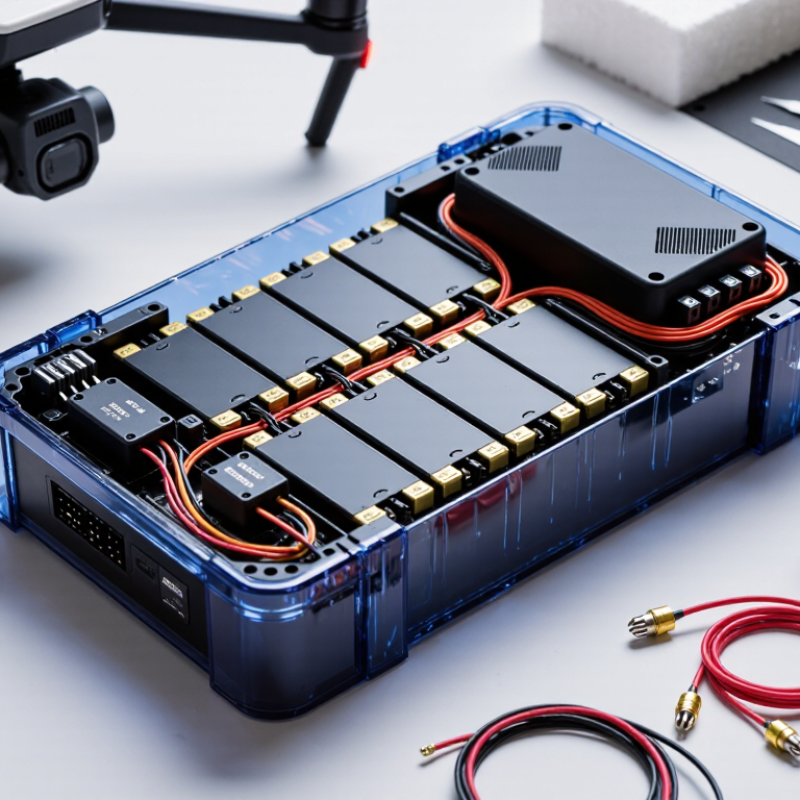
What a Drone Battery Pack Is and How It Fits into a UAV
A drone battery pack is the UAV’s onboard energy source, not just a group of cells in a case. It stores electrical energy and delivers it to the motors, flight controller, sensors, and other equipment. Most packs combine multiple cells, wiring, a connector, and a protective outer covering. Some also include monitoring electronics that track voltage or temperature.
Its fit matters. The pack must match the aircraft’s voltage range, connector, and physical mounting space. A pack that is too heavy can reduce flight time or change how the UAV handles. A loose fit can shift during movement. Small details count: a strap should hold the pack firmly, while wires should stay clear of propellers and moving parts. It should not be forced into a tight compartment.
The battery also interacts with the UAV’s power system. During acceleration, motors can draw more current, so the pack must support the aircraft’s expected load. Check the manufacturer’s specifications for compatibility and follow the stated charging and storage guidance. Heat, swelling, damaged insulation, or an unusual odor are warning signs; stop using the pack and handle it according to the supplier’s safety instructions. A neat installation helps. Still, even a well-fitted pack cannot compensate for poor maintenance or an unsuitable battery choice.
The Main Components Inside a Drone Battery Pack
A UAV drone battery pack is more than a group of cells wrapped in a shell. Its cells store energy, and their chemistry, capacity, and arrangement affect weight, voltage, and flight time. In many packs, cells are connected in series to raise voltage and in parallel to increase capacity. A small mismatch between cells can still matter, especially as the pack ages.
The battery management system monitors cell voltage, current, and temperature. It may balance cells during charging and limit operation when readings move beyond safe ranges. It cannot fix damaged cells, though. That distinction is easy to overlook. Wiring, tabs, and connectors carry power between the cells and the aircraft, so loose connections can create heat or intermittent power loss. An enclosure holds these parts together and helps protect them from vibration and impact. Some packs also use insulating layers or thermal materials to manage heat, but these do not make poor ventilation harmless. Even the placement of a temperature sensor can affect what the system detects. For maintenance, inspect the case, connector, and cables for cracks, swelling, or discoloration; readings alone may miss physical damage.
How a Battery Pack Supplies Power During Flight
A UAV battery pack stores energy in several connected cells. During flight, those cells provide direct current through wires and connectors to the aircraft’s power system. The controller distributes power to the motors, while onboard electronics draw a smaller, steady share.
The pack does not deliver identical power at every moment. When a drone climbs or resists wind, its motors demand more current. Voltage can dip briefly, especially when the battery is cold, aged, or nearly depleted. That change may reduce thrust or trigger a low-voltage warning. Small details matter.
Many packs include monitoring circuits that track cell voltage and temperature. These safeguards can help prevent excessive discharge, but they cannot make a damaged pack safe. A pilot should check the charge level, inspect the casing, and secure the connector before flight. A loose plug can interrupt power at a very bad moment.
Battery capacity gives a rough idea of stored energy, not a guaranteed flight time. Payload, wind, temperature, and flight style all affect consumption. It is tempting to rely on a single runtime estimate. That estimate is imperfect. A practical reserve helps account for changing conditions and the gradual loss of capacity over repeated charging cycles.
What Is a Drone Battery Pack for UAVs?
How a LiPo battery pack supplies electrical power during flight
A UAV battery pack combines cells to provide power to its motors and electronics. In a typical LiPo pack, cells connected in series add their voltages: each cell is about 3.7 V nominal and 4.2 V when fully charged. Actual voltage falls during flight as the battery discharges.
Common Battery Chemistries and Pack Configurations
What Is a Drone Battery Pack for UAVs?
Common Battery Chemistries and Pack Configurations
A UAV battery pack combines individual cells to provide the voltage and capacity a flight system needs. Lithium-polymer packs are common in compact aircraft because pouch cells can deliver high current without bulky casings. They often suit quick acceleration and frequent power changes. But they need careful charging and protection from punctures or swelling. Lithium-ion cells, including cylindrical formats, can offer longer flight time per unit of mass, though peak current and pack weight depend on cell design. Lithium iron phosphate is more thermally stable, but its lower energy density may limit flight duration. No chemistry wins every mission.
Pack layout matters just as much. Cells connected in series raise voltage; parallel groups increase capacity and can share current. A 4S pack, for example, has four cell groups in series, while parallel cells within each group add capacity. The label alone does not tell the whole story. Check the cell count, rated voltage, capacity in amp-hours, and discharge rating against the aircraft’s documented requirements.
In practice, connector fit and pack dimensions matter too. A pack that slides neatly into a frame can still shift during a sharp climb. That is easy to overlook. Use a charger matched to the chemistry and cell count, and inspect leads, wrapping, and balance connections before flight. Battery specifications can look tidy on paper; real performance varies with temperature, age, and load. One detail worth questioning is advertised flight time: it rarely reflects every payload or flying style.
How to Choose and Care for a UAV Battery Pack
What Is a Drone Battery Pack for UAVs?
How to Choose and Care for a UAV Battery Pack
A UAV battery pack stores the electrical energy that powers its motors and onboard systems. Choosing one means matching its voltage, capacity, connector, and battery chemistry to the aircraft’s requirements. A pack with more capacity may offer longer flight time, but it also adds weight. Weight matters. Check the aircraft manual rather than relying on a similar-looking battery. A snug connector and secure fit matter too, especially when vibration could loosen a poorly seated pack. Consider the usual payload and flight conditions; cold weather can reduce available performance, while demanding maneuvers draw power more quickly.
Care starts with inspection. Before charging, check for swelling, cracked casing, damaged wires, or unusual heat. Do not use a visibly damaged pack. Use a charger designed for that battery chemistry and follow the maker’s charging and storage guidance. After a flight, let a warm pack cool on a clear, nonflammable surface before charging. Store batteries away from direct sunlight and extreme temperatures. Small details matter. A simple log of charge cycles, storage, and flight time can reveal declining performance. Still, logs are imperfect, and a battery may age unevenly. Treat flight-time estimates as guides, not guarantees, and leave a sensible reserve for landing.
FAQS
It supplies energy to the motors, flight controller, sensors, and other onboard equipment. It is more than cells inside a case.
Match its voltage, capacity, chemistry, connector, and dimensions to the aircraft manual. A similar-looking pack may not be compatible.
It may, but higher capacity can add weight and affect handling. Weight matters. Payload and demanding maneuvers also use more power.
Secure it with a strap and check that the connector is seated. Keep wires clear of propellers and moving parts. Don’t force it into a tight space.
Watch for swelling, a cracked case, damaged wires, unusual heat, or an unusual odor. Stop using it and follow the supplier’s safety instructions.
Use a charger designed for its chemistry and follow the stated guidance. Let a warm pack cool on a clear, nonflammable surface before charging. Store it away from direct sunlight and extreme temperatures.
Cold weather can reduce available performance, while acceleration and demanding maneuvers draw more power. Leave a sensible reserve for landing.
No. Recording charge cycles, storage, and flight time can reveal changes, but logs are imperfect. Batteries may age unevenly, so treat flight-time estimates as guides.
Conclusion
A drone battery pack is the onboard energy source that enables a UAV’s motors, flight controller, sensors, and other essential systems to operate. It is more than a collection of cells: a complete pack may also include wiring, connectors, protective components, and monitoring features. Together, these parts store energy and deliver it in a controlled way, helping the aircraft respond to changing power demands during takeoff, hovering, and flight.
Drone and UAV Battery Packs come in different chemistries and configurations, each offering trade-offs in weight, capacity, voltage, and charging needs. Choosing one involves matching its specifications to the aircraft and intended flight conditions, while considering safe handling and storage. Regularly checking the pack for damage, monitoring its condition, and following appropriate charging and care practices can support dependable performance and help extend its useful life.