Technical Articles & News

Custom Battery Pack Insights & Resources

Industry knowledge, engineering insights, and technical advice from the Emerging Power team.

0%

Choosing a reliable battery pack can determine whether asset tracking remains visible or quietly fails. This guide examines the Top 10 GPS Battery Packs for Asset Tracking, focusing on practical performance rather than impressive specifications alone. A pack may look powerful on paper, yet perform poorly in freezing warehouses, crowded vehicle yards, or remote construction sites.

Asset Tracking and GPS Battery Packs must work together as one dependable system. We consider capacity, voltage stability, charging options, weather resistance, installation size, and expected runtime. We also examine how each option supports GPS trackers during movement, storage, and extended standby periods. Small details matter. Connector quality, cable length, and mounting strength can prevent costly interruptions.

Field experience shows that battery life rarely matches laboratory claims. Temperature, tracking intervals, network strength, and reporting frequency can change results. No battery pack is perfect. This guide therefore compares realistic strengths and weaknesses, including compromises that product descriptions may overlook. A larger battery may last longer, but it can add weight and complicate installation. A compact model may fit neatly inside equipment, but require more frequent maintenance.

The recommendations are based on technical specifications, practical evaluation criteria, and common asset management needs. Readers should still verify compatibility with their tracker, charging system, and operating environment. Conditions vary. The best choice depends on the asset, location, monitoring schedule, and maintenance access. This review aims to make that decision clearer, while acknowledging that real-world testing can reveal unexpected limitations.
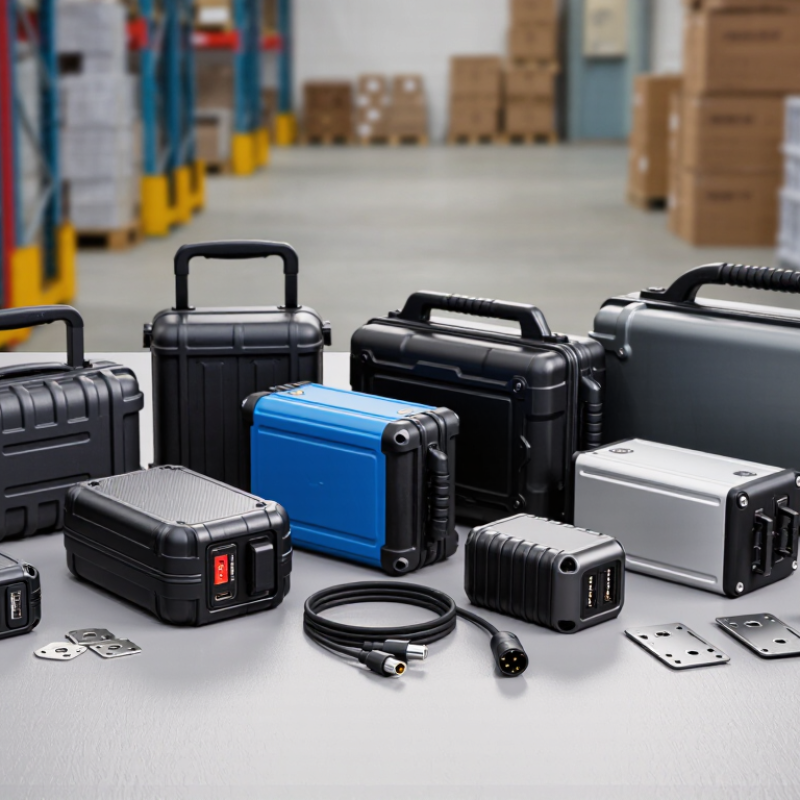
Top 10 GPS Battery Packs for Asset Tracking

How GPS Battery Packs Support Asset Tracking

Top 10 GPS Battery Packs for Asset Tracking

GPS battery packs support asset tracking by keeping location devices active between maintenance visits. IoT Analytics estimated 14.3 billion connected IoT devices worldwide in 2023. That scale makes dependable power more important, especially for trailers, equipment, and remote containers.

A suitable battery pack extends tracking intervals and reduces service interruptions. Technicians should compare capacity, discharge stability, temperature tolerance, and recharge behavior. GSMA Intelligence forecasts 5.8 billion cellular IoT connections by 2030. More connected assets will require smarter power planning, not simply larger batteries.

A compact pack can support periodic GPS transmissions for months, while frequent location updates consume energy quickly. The difference is practical: one device may report hourly, another every five minutes.

Field conditions also change performance. Cold mornings can reduce available capacity, while direct sunlight may raise enclosure temperatures. Secure mounting prevents vibration damage and accidental cable strain. Power monitoring can reveal unusual drain before an asset disappears from the network.

However, published runtime figures are often optimistic. They may exclude weak signals, repeated tracking attempts, and aging cells. Test the pack with the actual tracker and reporting schedule. A controlled bench test helps, but real routes expose weaknesses faster. Good tracking depends on the whole power system, not the battery pack alone.

Battery Types, Capacity, and Performance Factors

Top 10 GPS Battery Packs for Asset Tracking: Battery Types, Capacity, and Performance Factors

Battery chemistry shapes tracking reliability. Lithium-ion packs offer high energy density and stable output. Lithium iron phosphate packs usually provide longer cycle life and stronger thermal stability. They are often heavier, though. Lithium primary cells suit remote assets because they have low self-discharge and long shelf life. Rechargeable packs work better when vehicles or equipment return to service regularly.

Capacity alone can mislead buyers. A 10,000 mAh pack may perform poorly in cold weather or weak-signal areas. GPS devices consume more energy during frequent location updates and cellular retries. GSMA Intelligence forecasts 29.3 billion IoT connections by 2030, increasing demand for dependable field power. The International Energy Agency reported average battery pack prices near 115 dollars per kWh in 2023. That figure reflects electric vehicles, not trackers, but it highlights the value of energy-density improvements.

Tips: Match capacity with reporting frequency, temperature, and network coverage. Test a pack for seven days under real movement conditions. Check standby drain, charging time, enclosure protection, and connector strength. Keep a reserve of at least 20 percent. This is not always enough in freezing conditions. Also, review the manufacturer’s cycle data carefully; laboratory results rarely mirror dusty roads, vibration, and irregular charging.

Top 10 GPS Battery Packs for Asset Tracking — Battery Types, Capacity, and Performance Factors

Capacity and voltage figures below are representative ranges for common cell formats, not specifications for a particular product. Actual runtime depends on tracker power consumption, reporting interval, signal conditions, temperature, and battery configuration.

# Battery Type / Configuration Typical Nominal Voltage Representative Capacity Performance Characteristics Best-Fit Tracking Scenario Key Considerations
1 Lithium-thionyl chloride (Li-SOCl₂), AA cell 3.6 V About 2.4–2.6 Ah per cell High energy density, low self-discharge, and strong shelf life; performance can be affected by high pulse-current demands. Low-duty-cycle trackers that report infrequently and need long service intervals. Check pulse capability and whether the tracker requires a hybrid-layer capacitor or pulse support. Primary cells are not rechargeable.
2 Lithium-manganese dioxide (Li-MnO₂), CR123A format 3.0 V About 1.4–1.7 Ah per cell Good shelf life and better pulse-current suitability than many high-energy primary cells; compact cylindrical format. Compact trackers with periodic location updates and moderate current bursts. Capacity varies by cell design and discharge rate. Use only the cell chemistry specified by the tracker manufacturer.
3 Rechargeable lithium-ion, single-cell pack 3.6–3.7 V nominal About 2–5 Ah per cell, depending on size and design High energy density and rechargeable; can support regular reporting when paired with suitable protection and power management. Reusable trackers with a planned charging or battery-replacement routine. Requires a compatible charging circuit and protection against overcharge, over-discharge, and short circuit. Capacity declines with age and use.
4 Lithium-polymer (LiPo) pouch pack 3.7 V nominal About 0.5–10 Ah, depending on pack size Thin, lightweight, and available in varied shapes; rechargeable and suitable for devices with custom enclosures. Low-profile trackers or equipment where the battery must fit a specific enclosure. Needs a compatible charger and protection circuit. The pouch must be protected from puncture, crushing, and swelling-related pressure.
5 Lithium iron phosphate (LiFePO₄) pack 3.2 V per cell nominal About 1–10 Ah per cell, depending on format Rechargeable chemistry known for thermal stability and long cycle life; lower nominal voltage per cell than standard lithium-ion. Trackers used repeatedly where cycle life and robust battery management are priorities. Use a charger and protection system designed for LiFePO₄. Confirm that the tracker accepts the pack’s voltage range.
6 Nickel-metal hydride (NiMH), AA cell 1.2 V About 1.8–2.5 Ah per cell Rechargeable and widely available; voltage is lower than alkaline AA cells, so device compatibility matters. Trackers using standard AA holders where batteries can be recharged or swapped routinely. Self-discharge and low-temperature performance vary by cell. Use matched cells and a suitable NiMH charger.
7 Alkaline, AA cell 1.5 V nominal Roughly 1.8–2.8 Ah under moderate loads; less at high loads Inexpensive and easy to source; usable capacity is strongly affected by current draw and temperature. Short-term deployments, prototypes, or trackers with low average power consumption. Not rechargeable. Voltage drops during discharge, and leakage risk increases with age or improper storage.
8 Sealed lead-acid (SLA) battery 6 V or 12 V nominal About 1.2–20 Ah, depending on case size Rugged, rechargeable, and available in larger capacities; heavier and bulkier than most lithium packs. Large assets, fixed installations, or vehicle-mounted tracking systems with room for a substantial battery. Account for weight, charging requirements, and reduced usable capacity at high discharge rates. Secure the battery against movement.
9 USB power bank with lithium-ion cells Typically 5 V USB output Commonly 5–20 Ah stated at internal cell voltage; delivered USB capacity is lower after conversion Convenient, rechargeable, and often includes built-in charging and protection electronics; conversion losses affect usable energy. Temporary deployments or trackers designed to accept regulated USB power. Check output voltage, current, connector, and low-current shutoff behavior. Capacity labels are not directly comparable unless voltage is considered.
10 Rechargeable battery pack with solar charging Typically 3.2–3.7 V per cell, with regulated output as needed Commonly about 1–10 Ah battery capacity, paired with a suitably sized solar panel Can extend service intervals where sunlight is available; charging varies with panel size, orientation, shading, and weather. Stationary or slow-moving outdoor assets with reliable access to daylight. Requires a chemistry-compatible charge controller and adequate energy harvesting. Solar charging cannot be assumed to offset consumption in all locations or seasons.

Selection note: Compare batteries by watt-hours (Wh), not amp-hours (Ah) alone, when their voltages differ. For a practical runtime estimate, use the tracker’s measured average power draw and allow for temperature, conversion losses, battery aging, and peak transmission current.

Top 10 GPS Battery Packs for Asset Tracking: A Comparative Overview

Top 10 GPS Battery Packs for Asset Tracking: A Comparative Overview

Choosing a GPS battery pack means balancing runtime, size, charging time, and weather protection. These ten common options range from compact packs for small tags to high-capacity units for trailers and equipment. Compact models are easier to conceal and install, but they may need frequent charging. Larger packs can support longer tracking intervals, though they add weight and take up space. There is no universal winner.

For daily-use vehicles, compare usable capacity and charging convenience. For remote equipment, prioritize standby life, a clear battery-status indicator, and a durable enclosure. A pack’s advertised runtime is only a guide; frequent location updates and cold weather can shorten it. Check connector compatibility and confirm that the pack suits the tracker’s voltage requirements. Small details matter. I would not choose on capacity alone.

Tips: Match the pack to the tracker’s reporting schedule and the asset’s typical downtime. Test it in the actual installation location, such as beneath a seat or inside an equipment case. Record charge levels over several weeks. That takes patience, but it gives a more realistic estimate than a specification sheet. Also consider whether staff can recharge it easily; a powerful pack is less useful if it is routinely forgotten.

Top 10 GPS Battery Packs for Asset Tracking: A Comparative Overview

This comparison shows representative battery-capacity tiers, not specific products. Energy is estimated at a nominal 3.7 V. The runtime estimates assume a constant 100 mW load; actual GPS tracking life varies with reporting frequency, signal conditions, temperature, and device efficiency.

How to Match a Battery Pack to an Asset and Tracking Schedule

A GPS battery pack should fit the asset, not just the tracker. A small tool case has little room for a heavy pack, while a trailer can often carry more capacity. Check the tracker’s voltage requirements, connector, and expected current draw before comparing battery ratings. Capacity alone can mislead. Cold mornings, frequent location reports, and weak signals may all shorten runtime.

Match the pack to the tracking schedule. A vehicle reporting every minute needs more energy than equipment checked a few times each day. Estimate the longest interval between visits, then add a practical reserve for delays and changing conditions. Aiming for the exact calculated runtime sounds efficient, but it leaves little margin.

Test the setup on the actual asset, with its normal reporting settings, and record how quickly the charge falls. That takes time. It also reveals issues a datasheet may miss, such as a cable that loosens when a case vibrates. For remote assets, weigh fewer service visits against pack size, cost, and safe mounting. Recheck the estimate after seasonal temperatures or reporting habits change; real use rarely follows a perfect schedule.

Installation, Monitoring, and Battery-Life Maintenance

Top 10 GPS Battery Packs for Asset Tracking

Installation starts with fit, not capacity alone. Check the tracker’s voltage, connector, and charging requirements before choosing a battery pack. A pack that fits the enclosure but strains its cable can fail early. Secure it against vibration, keep ports accessible, and avoid placing it beside hot engine parts. Take a photo of the wiring before closing the housing. It helps later.

Monitoring should reveal changes, not just show a percentage. Record battery level, signal strength, and reporting frequency during the first week. Frequent location updates can use more power, especially where reception is weak and the device keeps reconnecting. Set alerts for unusually fast drops, then compare them with route patterns and temperature. One reading can mislead. Check the trend.

Battery-life maintenance works best as a routine. Inspect connectors for moisture or corrosion, and look for swelling, cracked casing, or loose mounts. Follow the pack maker’s charging and storage guidance; extreme heat and prolonged deep discharge can shorten service life. Keep a simple log of installation dates and observed runtime. Field records are not always neat, and a missed inspection happens. That is worth admitting. A recurring calendar reminder can still catch a pack before tracking stops.

FAQS

Why does a GPS battery pack matter for asset tracking?

It keeps the tracking device active between maintenance visits. This reduces service interruptions for trailers, equipment, and remote containers. Reliable power matters.

How does reporting frequency affect battery life?

Frequent updates consume more energy. A device reporting every five minutes needs more power than one reporting hourly. Weak signals may cause repeated connection attempts.

Is a higher capacity battery pack always better?

No. Capacity alone can mislead buyers. A large pack may still perform poorly in cold weather or weak-signal areas. Size and weight also matter.

Which battery type suits remote assets?

Primary lithium cells often suit remote assets because they have low self-discharge. Rechargeable packs work better when equipment returns regularly. The choice is not always obvious.

What should technicians check before choosing a pack?

Check voltage, connector type, current draw, enclosure protection, and mounting space. Review charging time and standby drain. A loose connector can stop tracking.

How should battery capacity match an asset?

A small tool case may need a compact pack. A trailer can usually carry more capacity. Match the pack to the asset, not only the tracker.

How can field conditions reduce battery performance?

Cold mornings can reduce available capacity. Direct sunlight may heat the enclosure. Vibration can damage cables or loosen mounting points. Conditions change.

How can technicians test the expected runtime?

Test the pack with the actual tracker and reporting schedule. Run it for seven days during normal movement. Record the charge drop each day.

How much reserve capacity should a tracking system include?

Keep at least 20 percent reserve for delays and changing conditions. Freezing temperatures may require more. An exact runtime estimate leaves little safety margin.

Why can published runtime figures seem unrealistic?

Tests may exclude weak signals, repeated tracking attempts, vibration, and aging cells. Real routes expose weaknesses faster. A datasheet is only a starting point.

Conclusion

This article explores how GPS battery packs support reliable asset tracking by providing the power needed to transmit location data over time. It explains the differences among common battery types, capacity ratings, and performance factors such as operating conditions, reporting frequency, and expected service life. A comparative overview of ten GPS battery pack options highlights the features readers can evaluate when choosing a suitable power source, without assuming that one solution fits every asset.

The guide also outlines how to match a battery pack to an asset’s size, movement, tracking schedule, and maintenance requirements. Practical advice covers installation, monitoring battery status, and extending useful life through regular checks and appropriate reporting intervals. By understanding the relationship between Asset Tracking and GPS Battery Packs, readers can make informed choices that support consistent tracking while balancing runtime, maintenance effort, and operational needs.


Amelia

Amelia

Amelia is a dedicated marketing professional with a strong understanding of the company’s products, customers, and industry landscape. Through clear communication and thoughtful content strategy, she helps audiences discover practical solutions that support their business goals and everyday needs.......