Choosing Custom Alkaline Battery Packs requires more than matching voltage and size. The right pack should fit the device, operating environment, discharge pattern, and production schedule. A handheld meter may need steady power, while a wireless sensor may prioritize long shelf life. These differences are easy to overlook.
Experienced engineers usually begin with the device’s peak current, normal operating current, and available battery space. They also check connector type, wire length, polarity, insulation, and mounting method. A pack that fits perfectly on paper may become unreliable when vibration, heat, or limited airflow enters the picture. Small details matter.
Chemistry is only one decision. Cell capacity, internal resistance, storage conditions, and expected service life can affect real performance. Reputable suppliers should provide datasheets, sample testing, quality records, and clear production controls. Custom Alkaline Battery Packs may reduce assembly work, but customization does not automatically guarantee better results.
Testing should reflect actual use. Measure voltage under load, inspect temperature changes, and repeat trials with fresh and stored batteries. Include worst-case conditions. Battery performance can vary between applications, and laboratory results may look cleaner than field experience. That gap deserves attention.
Cost also needs a wider view. A cheaper pack may create more replacements, installation time, or warranty concerns. On the other hand, over-specification can waste budget and space. The best choice balances reliability, safety, availability, and practical value. There is no perfect formula. Careful questions usually produce better answers.
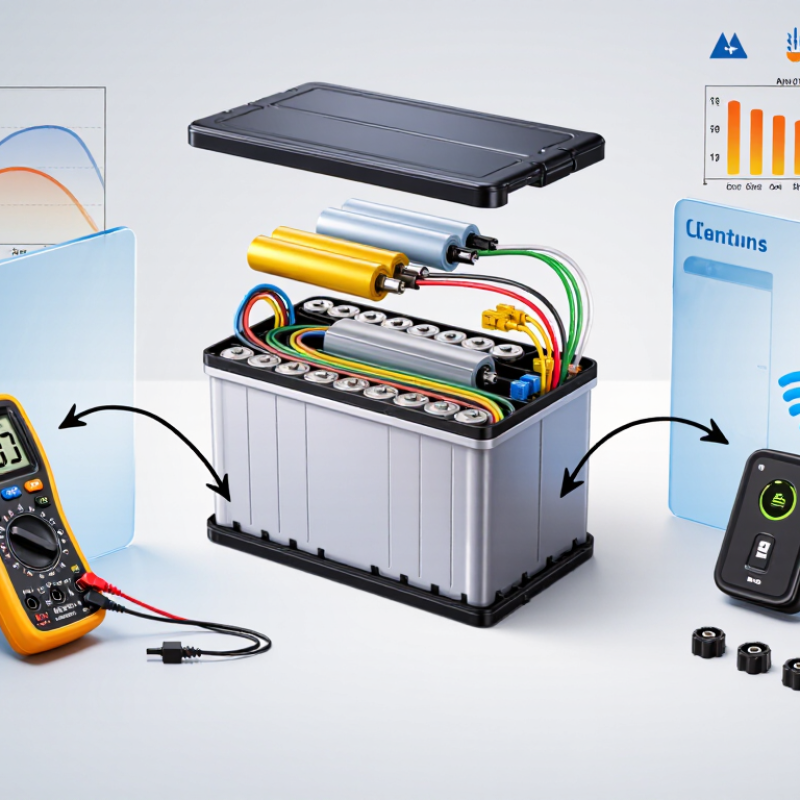
Define the Pack’s Load Profile Around 1.5 V IEC Alkaline Cells
How to Choose Custom Alkaline Battery Packs?
A reliable custom alkaline battery pack starts with its load profile, not its outer dimensions. Each IEC alkaline cell provides about 1.5 V under light load. Its voltage falls during operation, especially when current demand rises. Record the device’s standby current, operating current, pulse duration, and daily cycle count. Include the minimum acceptable voltage. Small details matter.
A three-cell series pack may begin near 4.5 V, but the actual voltage depends on temperature, cell age, wiring, and contact resistance. A motor, radio transmitter, or bright display can create short current peaks. Measure those peaks with an oscilloscope or a suitable data logger. Do not rely only on a multimeter. It can hide brief voltage drops. Very short pulses still matter.
Test the proposed pack inside the real product. Use the intended holder, cable length, connectors, and enclosure. Check performance at low temperatures and near battery depletion. A neat spreadsheet is not enough. The first estimate is often wrong. Parallel arrangements may increase available capacity, but mismatched cells can create uneven current sharing. Series packs also need consistent cell condition. Define a practical cut-off before the device becomes unreliable. Then verify it through repeated discharge tests, not one successful trial. Allow extra margin for manufacturing variation and unexpected peak loads.
Match Capacity, Energy Density, and Runtime: Typically 80–110 Wh/kg
When choosing custom alkaline battery packs, start with the load, not the package shape. Record the device voltage, average current, peak current, and operating hours. Capacity is usually shown in ampere-hours, while energy uses watt-hours. Multiply voltage by ampere-hours for a practical estimate. A 12-volt, 8-Ah pack provides about 96 Wh before real-world losses.
Energy density deserves close attention. Alkaline packs typically deliver around 80–110 Wh/kg, depending on cell size, discharge rate, temperature, and pack construction. A higher figure can reduce weight, but it may not improve runtime under heavy loads. Internal resistance can cause voltage sag during motor starts or wireless transmissions. That detail is easy to miss.
Test the pack under the actual duty cycle. Use short peaks, long pauses, cold conditions, and the device’s real cut-off voltage. In field checks, I compare predicted runtime with measured runtime across several cycles. My first estimates are often too optimistic. Capacity ratings may reflect gentle laboratory testing, not demanding equipment. Leave a reasonable reserve, commonly 15–25 percent, for aging and unexpected peaks. Also confirm connector heating, insulation quality, cell matching, and enclosure fit. A compact design can look efficient while creating maintenance problems later. Reliable selection comes from measured performance, clear specifications, and honest allowance for uncertainty.
Select LR6, LR03, or Other IEC 60086 Cell Formats for the Design
Choosing a custom alkaline battery pack starts with the cell format, not the connector. Under IEC 60086, LR6 identifies the AA-size alkaline cell, while LR03 identifies the AAA-size cell. Both provide a nominal 1.5 V, but their physical volume differs greatly. An LR6 cell usually offers more reserve for motors, sensors, and longer operating periods. An LR03 pack suits narrow housings and lightweight handheld equipment. Measure the actual compartment. A drawing can hide a two-millimeter problem.
For higher voltage, cells are connected in series. Four LR6 cells create a nominal 6 V pack, while two provide about 3 V. Parallel connections increase available capacity, but they require closely matched cells and controlled wiring. Other IEC 60086 formats may fit better when diameter, length, or discharge demand changes. Check the equipment’s cutoff voltage, peak current, and expected temperature range. Alkaline performance falls in cold conditions, especially under heavy loads. Do not judge capacity from label values alone.
In practical builds, I compare the pack inside the finished enclosure, including springs, insulation, and cable bend radius. The first layout is often too optimistic. Test fresh cells at the real load, not only with a multimeter. Record voltage drop after startup and during motor stalls. Use a holder or welded interconnect designed for the selected format. Avoid mixing old and new cells, or different formats, in one pack. IEC references help define compatibility, but mechanical retention and field testing decide whether the design is dependable.
Engineer Connectors, Enclosures, and Protection for Custom Integration
How to Choose Custom Alkaline Battery Packs?
Custom alkaline battery packs should begin with the equipment, not the cell count. Measure operating voltage, startup current, average load, and expected service time. A device drawing modest current may still create a sharp startup surge. That detail often changes the connector and protection design.
Engineer the connector for real installation conditions. Use keyed housings to prevent reverse insertion, locking features for vibration, and contacts rated above the measured current. Keep the cable length practical. Long wires can increase voltage drop and create unnecessary losses. Add strain relief near the enclosure exit. It prevents bending forces from reaching the terminals. Small details matter.
The enclosure must hold the cells firmly without crushing them. Select materials that tolerate the expected temperature range and handling environment. Provide access for inspection when maintenance is realistic. Alkaline cells can leak after deep discharge, storage, or exposure to heat, so include barriers and a replaceable internal tray where appropriate. A fuse or resettable current limiter can reduce fault energy, but it cannot replace correct wiring. Test the completed pack with fresh and partially depleted cells. Check polarity, connector heating, vibration, drop impact, and worst-case load.
A clean prototype can still hide a weak connection. That is worth questioning. I have seen compact designs fail because the enclosure looked finished before the cable path was tested. Document every interface, tolerance, and test result. Custom integration becomes more reliable when protection is designed alongside the connector and enclosure, not added afterward.
Validate Capacity, Leakage, and Up-to-10-Year Shelf-Life Requirements
How to Choose Custom Alkaline Battery Packs?
Custom alkaline battery packs should begin with a verified capacity target. Do not rely only on the printed mAh value. Measure discharge performance under your device’s actual load, including startup surges and intermittent use. A pack may perform well in a laboratory test but fall short inside a cold sensor or emergency light. Request sample packs and compare voltage drop, operating time, and end-of-life behavior. Small differences matter.
Leakage protection deserves equal attention. Review the cell construction, sealing process, insulation, and pack assembly quality. Check samples after storage at room temperature and under controlled heat. Look for residue near terminals, swelling, or damaged sleeves. These tests cannot predict every field condition, but they reveal weak controls. I have seen capacity discussions become too optimistic when storage conditions were ignored.
Tips: Define the required shelf life, not just “up to 10 years.” Ask for test conditions, temperature ranges, packaging details, and acceptance limits. A ten-year claim may depend on dry storage and moderate temperatures. Confirm whether the figure applies to unopened packs only. Keep reserve samples for periodic inspection. It is also wise to repeat testing after transport simulation, because vibration and compression can affect seals. Perfect certainty is unrealistic, but documented evidence makes the decision more reliable.
How to Choose Custom Alkaline Battery Packs?
Validate capacity retention, leakage resistance, and a shelf-life requirement of up to 10 years before approving a custom pack.
The chart shows practical acceptance targets for a custom alkaline battery pack: at least 90% of initial capacity retained after five years, at least 80% after ten years, and 100% of sampled packs passing visual leakage inspection. Actual results depend on cell size, load profile, storage temperature, sealing quality, and test conditions.
FAQS
Record standby current, operating current, pulse duration, daily cycles, and minimum acceptable voltage. Very short pulses matter.
A multimeter may miss brief voltage drops during motor starts or transmitter pulses. Use an oscilloscope or suitable data logger.
Three cells may begin near 4.5 V, but voltage changes with temperature, age, wiring, and contact resistance. The starting number can mislead.
LR6 cells suit higher reserve needs, while LR03 cells fit narrower, lighter compartments. Measure the actual space. A two-millimeter error can stop assembly.
Series connections increase voltage, while parallel connections can increase available capacity. Parallel cells need closely matched condition and controlled wiring. Uneven sharing is possible.
Test sample packs under the device’s real load, including startup surges and intermittent operation. Record voltage drop, operating time, and end-of-life behavior. Printed capacity is only an estimate.
Review sealing, insulation, terminals, sleeves, packaging, and assembly quality. Inspect samples after room-temperature storage and controlled heat exposure. Check for residue or swelling.
Ask whether it applies to unopened packs, dry storage, moderate temperatures, or specific test conditions. Keep reserve samples for periodic inspection. Ten years is not automatic.
Use the intended holder, cables, connectors, springs, insulation, and enclosure. Check cold operation, battery depletion, and motor stalls. My first estimate might be wrong. Repeated tests reveal it.
Conclusion
Choosing Custom Alkaline Battery Packs starts with understanding the device’s complete load profile. Since standard alkaline cells provide approximately 1.5 V, the design should account for operating voltage, peak current, average consumption, duty cycle, and expected runtime. Capacity and energy requirements must be matched carefully, with alkaline systems typically delivering around 80–110 Wh/kg under suitable conditions. Selecting the correct IEC 60086 cell format, such as LR6 or LR03, also affects the pack’s size, output, and installation flexibility.
A reliable custom design should include suitable connectors, an enclosure, and protective features that support safe integration into the final product. Mechanical dimensions, polarity, vibration resistance, and accessibility should be verified during development. Before production, testing should confirm usable capacity, leakage resistance, discharge performance, and storage stability. If the application requires a shelf life of up to 10 years, the pack should be evaluated under realistic temperature and storage conditions to ensure dependable long-term performance.