Industry knowledge, engineering insights, and technical advice from the Emerging Power team.
Choosing the China Best Custom LiFePO4 Battery Pack Supplier requires more than comparing prices. A capable partner must understand cells, battery management systems, enclosure design, and application demands. Custom Lithium Iron Phosphate Battery Packs should match the equipment’s voltage, capacity, discharge rate, operating temperature, and installation space. A 3.2V prismatic cell may suit a storage system, while a compact cylindrical design may fit portable equipment better. Small details matter.
Good suppliers explain their engineering decisions clearly. They provide cell specifications, BMS protection settings, wiring diagrams, sample test data, and traceable quality records. Ask how they control overcharge, over-discharge, short circuits, and thermal risks. Request evidence of relevant testing and shipping compliance for your target market. Factory photographs help, but documented processes matter more. A polished website proves little.
Practical experience also means testing the battery in real conditions. Run samples through charging cycles, low-temperature checks, vibration tests, and load performance trials. Measure voltage consistency and temperature rise. Do not rely only on nominal capacity. A pack rated at 100Ah may perform differently under continuous high current. That distinction is easy to miss.
No supplier fits every project. Some excel at prototypes, while others manage stable mass production. A lower quote can hide weaker cells, limited support, or expensive redesigns. The best decision balances engineering capability, communication, quality control, lead time, and after-sales responsibility. China offers many battery manufacturers, but careful verification separates a dependable partner from a risky choice. Mistakes can happen, even with experienced teams. Transparent correction matters.
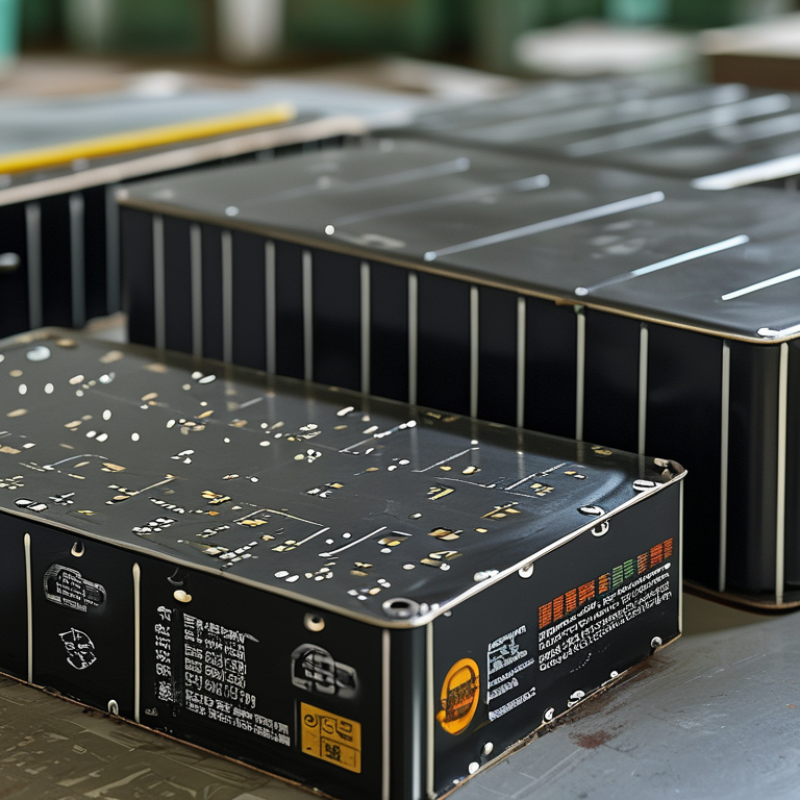
Reliable suppliers can show traceability from incoming cells to final inspection. Each pack should receive capacity testing, insulation checks, BMS verification, and controlled charging tests. Practical details matter. Welded joints need consistent resistance, connectors need secure strain relief, and housings need protection from dust and vibration. Factory records, calibrated instruments, and trained technicians provide stronger evidence than polished sales language. Compliance documents should match the actual model and production site. Relevant reports may include UN 38.3 and applicable safety standards.
Customization also requires honest communication. A capable supplier states cycle-life conditions, temperature limits, charging requirements, and warranty boundaries clearly. It should provide samples and test data before mass production.
No supplier is perfect. Even experienced engineers can underestimate cold-weather performance or cable losses. Open review of these issues builds trust. After-sales support should include fault analysis, replacement procedures, and readable technical files for long-term maintenance.
Custom LiFePO4 battery packs are engineered around the device, not selected from a shelf. Engineers begin with voltage, capacity, peak current, operating temperature, enclosure space, and charging limits. A medical cart, inspection robot, and solar cabinet need different electrical behavior. Field experience matters here. A pack that fits perfectly may still fail if airflow, vibration, or cable routing is ignored. Early prototypes should be tested under realistic loads, not only on a workbench. Real conditions expose weak assumptions.
Cell selection includes chemistry consistency, capacity matching, internal resistance, and traceable inspection records. The battery management system must protect against overcharge, over-discharge, short circuit, and excessive temperature. Engineers also define communication functions, fuse ratings, connectors, and service access. Mechanical design is equally important. Compression, insulation, shock protection, and sealing can affect long-term safety. Samples undergo charge-discharge cycling, thermal checks, vibration review, and fault testing. Results should be documented and repeatable. Still, no design is perfect. A revised connector or sensor position may be necessary after field feedback.
Tips: Share accurate load profiles and duty cycles. Confirm peak current, standby time, and storage temperature. Request sample data before production. Ask how cells are screened and how end-of-line tests are recorded. Leave room for inspection. That small space often prevents expensive redesigns. This sounds obvious, but it is often missed.
China Best Custom LiFePO4 Battery Pack Supplier?
A dependable custom LiFePO4 battery pack supplier should treat safety standards as design requirements, not paperwork. IEC 62619 evaluates industrial lithium battery safety, including abnormal operation and protection systems. For portable products, IEC 62133-2 may be more suitable. The correct standard depends on the pack’s voltage, capacity, installation, and operating environment.
A qualified engineering team should verify the battery management system through documented tests. These tests should include overcharge, over-discharge, short circuit, over-temperature, and cell imbalance protection. UN 38.3 testing supports safer transport, while UL 1973 can apply to stationary energy storage systems. Thermal runaway evaluation may also require testing under UL 9540A or equivalent requirements.
A passing certificate is not enough. During practical inspections, engineers should review cell traceability, welding quality, insulation gaps, fuse ratings, and enclosure strength. Temperature sensors need proper contact with heat-producing areas. Firmware settings must match the cell manufacturer’s limits. Small errors matter.
I have seen designs that looked excellent but lacked realistic vibration testing. That weakness deserves attention. A reliable supplier should provide test records, sample data, change-control procedures, and clear production inspection criteria. Standards guide the process, but careful verification makes the pack dependable in daily use.
Typical LiFePO4 single-cell voltage control points: 3.20 V nominal voltage, approximately 3.65 V maximum charging voltage, and approximately 2.50 V discharge cut-off. Actual limits must always follow the selected cell manufacturer's datasheet and the battery-management-system design.
Key technical standards: IEC 62619 addresses industrial lithium battery safety, UL 1973 covers stationary and auxiliary-power battery systems, UN 38.3 specifies transport testing for lithium cells and batteries, and IEC 62133-2 applies to many portable rechargeable lithium battery applications. The correct compliance path depends on the pack's application, installation environment, and destination market.
A reliable custom LiFePO4 battery pack supplier treats prototyping as an engineering process, not a sales sample. The team reviews voltage, capacity, dimensions, connectors, charging limits, and operating temperature before building the first unit. Engineers may use 3D-printed housings to check fit around cables and mounting holes. Small details matter.
During testing, technicians record cell matching, insulation resistance, charge performance, discharge capacity, and temperature changes. Protection circuits are checked against overcharge, over-discharge, short-circuit, and excessive current conditions. Samples should face vibration, repeated cycling, and storage tests when the application requires them. Test records should include equipment identification, dates, limits, and measured results. Photos and serial numbers improve traceability.
Mass production needs more than copying a successful prototype. Incoming cells require inspection and batch records. Assembly workers need controlled procedures for welding, wiring, sealing, and labeling. Production samples should receive functional checks before shipment. A capable supplier can explain process controls clearly and provide corrective-action reports when results miss specifications. No prototype is perfect. A connector may loosen, or a thermal path may prove inadequate. That failure is useful if the supplier investigates the cause instead of hiding it. Regular communication also helps, although rushed changes can still create avoidable errors. Clear drawings, approved samples, and signed test criteria reduce that risk.
| Project Stage | Key Supplier Activities | Typical Data or Output | Quality-Control Focus | Recommended Customer Deliverables | Typical Status |
|---|---|---|---|---|---|
| 1. Requirement Review | Translate the application requirements into electrical, mechanical, thermal, environmental, and regulatory specifications. | Nominal voltage, capacity, maximum continuous current, peak current, dimensions, connector type, operating temperature, and expected service life. | Check that the requested voltage and current are compatible with the LiFePO4 cell configuration and the intended equipment. | Application profile, load curve, charging method, enclosure drawings, installation limits, and target quantity. | Specification Approved |
| 2. Cell Selection | Compare cell format, capacity, discharge capability, cycle-life rating, operating temperature range, and traceability documentation. | Common pack configurations include 4 cells in series for approximately 12.8 V, 8 cells for approximately 25.6 V, and 16 cells for approximately 51.2 V nominal. | Verify cell consistency, production date, open-circuit voltage, internal resistance, and supplier test records. | Required energy, peak-load information, ambient-temperature range, and space available for the battery pack. | Cells Matched |
| 3. Electrical Design | Develop the series-parallel layout, busbar design, fuse protection, wiring, connector arrangement, and battery-management-system parameters. | Protection limits for overcharge, over-discharge, overcurrent, short circuit, overtemperature, and undertemperature charging. | Confirm that the protection thresholds do not conflict with the charger, motor controller, inverter, or other connected equipment. | Charger specifications, system communication requirements, peak-current duration, and preferred protection features. | Design Review |
| 4. Mechanical and Thermal Design | Create the enclosure, cell restraints, insulation, mounting points, cable routing, ventilation strategy, and service access. | CAD drawings, 3D models, enclosure material, ingress-protection target, mounting tolerance, and thermal interface details. | Evaluate vibration resistance, insulation clearance, heat dissipation, compression of prismatic cells, and protection against moisture or dust. | Installation drawings, available envelope, mounting orientation, vibration conditions, and enclosure requirements. | Prototype Ready |
| 5. Prototype Assembly | Assemble a small number of engineering samples using controlled torque, insulated tooling, documented wiring, and serialized components. | Prototype quantity is commonly limited to a few units so that design changes can be made before production tooling and purchasing commitments. | Inspect polarity, busbar torque, insulation, cable crimping, connector retention, enclosure fit, and BMS communication. | Approve the prototype drawing, label content, connector pinout, and preliminary user documentation. | Engineering Sample |
| 6. Electrical Testing | Perform capacity, voltage, current, charging, discharging, balancing, and protection-function tests under defined conditions. | Recorded capacity in ampere-hours, energy in watt-hours, voltage profile, current profile, temperature profile, and BMS event logs. | Compare measured performance with the approved specification and investigate abnormal voltage deviation or temperature rise. | Define test current, cutoff voltage, charging profile, test temperature, and acceptable measurement tolerance. | Test Data Recorded |
| 7. Safety and Reliability Testing | Conduct applicable tests for short-circuit protection, overcharge protection, over-discharge protection, vibration, impact, temperature exposure, and insulation. | Pass/fail reports, test conditions, sample identification, photographs, corrective-action records, and retest results. | Use recognized transport and product-safety requirements where applicable; lithium battery transport commonly requires UN 38.3 test evidence. | Target markets, transport routes, regulatory classification, operating environment, and required certification scope. | Compliance Review |
| 8. Pilot Production | Run a controlled batch using the intended production process, work instructions, fixtures, inspection points, and traceability system. | Process capability observations, assembly yield, defect records, rework rate, cycle-test samples, and updated production documentation. | Confirm that the design can be assembled consistently and that inspection results remain within defined limits. | Provide final approved drawings, labeling rules, packaging requirements, and acceptance criteria. | Process Validated |
| 9. Mass Production | Control incoming materials, cell matching, assembly, BMS programming, end-of-line testing, labeling, packing, and shipment release. | Each pack should have a traceable serial number linked to cell information, test results, operator records, and production date. | Use incoming inspection, first-article inspection, in-process checks, final functional testing, and documented nonconformance control. | Purchase forecast, order quantity, delivery schedule, approved packaging, and change-control requirements. | Production Controlled |
| 10. Final Inspection and Shipment | Verify appearance, dimensions, labels, connectors, state of charge, accessories, packaging integrity, and shipping documents. | Final inspection report, packing list, serial-number list, test summary, warranty terms, and applicable transport documents. | Confirm that the shipped configuration matches the approved specification and that the battery is protected against movement and short circuit during transport. | Shipping address, import requirements, delivery terms, required documents, and receiving inspection procedure. | Release Approved |
| 11. After-Sales Feedback | Track field performance, warranty claims, returned units, root-cause analysis, corrective actions, and engineering changes. | Failure rate, claim category, operating conditions, battery age, cycle history, and corrective-action completion date. | Separate installation, charging, misuse, environmental, component, and manufacturing-related causes before implementing changes. | Provide service records, fault codes, installation conditions, charging history, photographs, and returned-unit information when available. | Continuous Improvement |
China Best Custom LiFePO4 Battery Pack Supplier?
How to Evaluate a Chinese LiFePO4 Battery Pack Supplier
Choosing a Chinese LiFePO4 battery pack supplier requires more than comparing online prices. Request company registration details, production photographs, and recent test records. A reliable supplier should explain cell grades, BMS settings, welding methods, and capacity testing clearly. During factory discussions, ask how each battery batch is traced. Serial numbers, inspection reports, and calibration records provide useful evidence. Vague answers deserve attention.
Request a sample before placing a larger order. Measure its voltage, capacity, charging temperature, and discharge performance under your real load. Check whether the connector, enclosure, and mounting holes match your design. Ask for relevant safety reports and transport documents for your target market. Certifications alone are not enough. A document may cover a different model or an older production batch. I have seen specifications look excellent until actual testing revealed limited low-temperature performance.
Tips: Compare at least three suppliers. Keep every requirement in writing. Ask who pays for failed samples and warranty returns. Review the warranty period, response time, spare parts policy, and software support. Communication matters. If engineers answer technical questions directly, cooperation may be smoother. If sales staff avoid basic testing details, pause before ordering. No supplier is perfect. Even a strong factory can make mistakes, so define acceptance standards before production.
: The supplier should confirm voltage, capacity, dimensions, connectors, charging limits, and operating temperature. Small details matter. A 3D-printed housing can check cable routes and mounting holes.
Technicians should record cell matching, insulation resistance, charging performance, discharge capacity, and temperature changes. Protection circuits need overcharge and short-circuit checks. Testing should match the application.
They are useful when the battery faces movement, repeated cycling, or long storage. Test conditions should reflect real use. Laboratory results may still miss field problems.
Records should include equipment identification, test dates, limits, and measured results. Photos and serial numbers improve traceability. Clear records help investigate failures.
The supplier should inspect incoming cells and maintain batch records. Workers need controlled procedures for welding, wiring, sealing, and labeling. Production samples need functional checks before shipment.
Request registration details, production photographs, recent test records, and clear technical explanations. Ask about cell grades, protection settings, welding methods, and capacity testing. Vague answers deserve attention.
Measure voltage, capacity, charging temperature, and discharge performance under the intended load. Also check the connector, enclosure, and mounting holes. A specification can look excellent. Actual performance may differ.
Compare several suppliers and keep every requirement in writing. Define acceptance standards before production begins. Confirm warranty handling, response times, spare parts, and technical support.
The supplier should investigate the cause and issue corrective actions. A loose connector or weak thermal path can reveal design problems. Failure is useful when documented. Hiding it is not.
Choosing the right Chinese supplier for Custom Lithium Iron Phosphate Battery Packs requires more than comparing prices. A leading supplier should offer strong engineering capabilities, flexible customization, reliable cell selection, and complete support from initial concept to final delivery. The design process should consider voltage, capacity, dimensions, thermal management, battery management systems, communication functions, and the specific operating environment of the application.
Safety and reliability depend on effective quality controls and compliance with recognized technical standards. Professional suppliers should maintain clear procedures for cell matching, electrical protection, mechanical design, environmental testing, and product validation. They should also provide structured prototyping, sample testing, pilot production, and mass manufacturing processes with traceable inspection records. When evaluating a supplier, buyers should review technical expertise, production capacity, testing equipment, quality certifications, communication efficiency, customization experience, lead times, warranty terms, and after-sales support. A transparent and responsive partner can help reduce development risks while delivering stable, safe, and application-focused battery solutions.