Technical Articles & News

Custom Battery Pack Insights & Resources

Industry knowledge, engineering insights, and technical advice from the Emerging Power team.

0%

The 2026 market for Custom Lithium-Ion Battery Packs is becoming more demanding. Buyers now expect higher energy density, safer operation, longer service life, and dependable documentation. A pack may power an electric vehicle, medical device, warehouse robot, or backup system. Each application needs a different design.

Professor M. Stanley Whittingham, a Nobel Prize-winning battery scientist, stated, “Lithium-ion batteries have revolutionized our lives.” That statement remains relevant, but modern suppliers must deliver more than cells. They must engineer the complete pack, including the battery management system, enclosure, wiring, thermal controls, and charging interface. Small details matter. A loose connector can interrupt an entire production line.

This guide examines leading suppliers of Custom Lithium-Ion Battery Packs for 2026. It considers engineering experience, cell sourcing, prototype capability, safety testing, production consistency, and after-sales support. Reliable suppliers should explain their testing methods clearly. They should also provide traceability for cells and critical components.

Certifications matter. So does practical communication.

Some suppliers advertise impressive specifications, yet provide limited evidence. That should encourage careful review. Battery performance can change with temperature, charging speed, storage conditions, and daily usage. No supplier is perfect for every project. A compact medical pack may require different priorities than a high-current industrial pack.

The strongest candidates combine technical expertise with honest limitations. They ask detailed questions before quoting. They test real prototypes, not only computer models. This article compares those qualities to help buyers make a more informed supplier decision. Mistakes remain possible, but disciplined evaluation can reduce them.
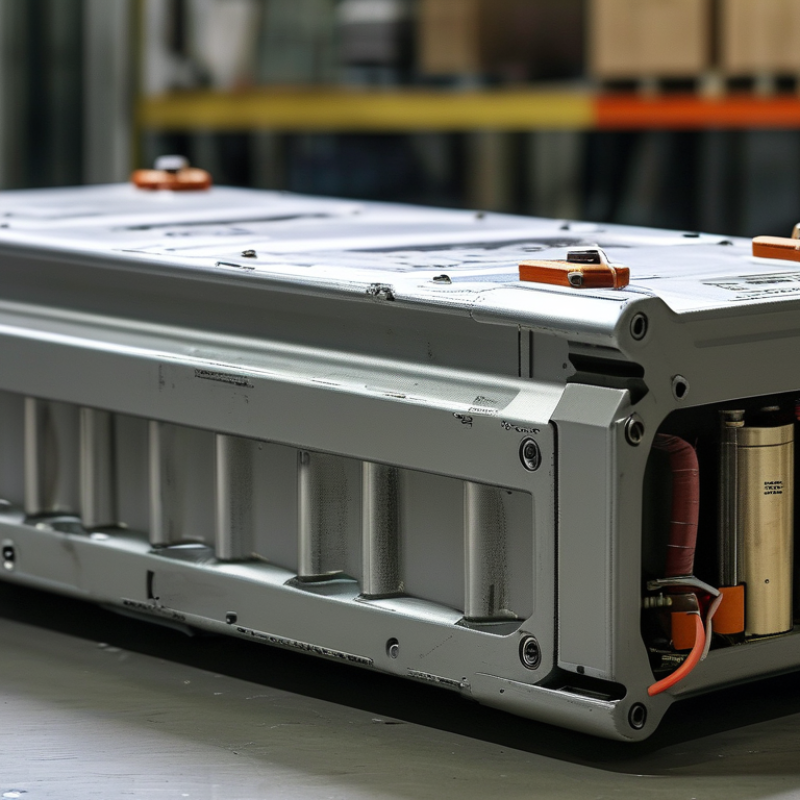
2026 Top Custom Lithium Ion Battery Pack Suppliers?

What Are Custom Lithium-Ion Battery Pack Suppliers?

2026 Top Custom Lithium-Ion Battery Pack Suppliers?

Custom lithium-ion battery pack suppliers design and produce battery systems for specific equipment. They do more than connect cells. Their work may include cell selection, pack dimensions, wiring, connectors, battery management systems, and charging limits. A reliable supplier begins with the product’s voltage, current, operating temperature, and available space. A handheld medical device needs different protection from an industrial inspection tool.

Good suppliers provide engineering evidence, not only attractive samples. They should explain capacity testing, cycle-life conditions, thermal protection, short-circuit control, and traceability. Ask for test records that identify equipment, dates, and acceptance standards. Manufacturing areas should control moisture, dust, welding quality, and assembly torque. Small details matter. A loose connector can stop an expensive machine.

From practical project reviews, early communication often prevents costly redesigns. Suppliers should confirm drawings, tolerances, charging behavior, and expected usage before production. They may also support prototypes, pilot batches, packaging, and after-sales analysis. Compliance documentation must match the destination market and product category. A certificate alone is not enough. I have seen teams trust a low quote, then discover that testing, tooling, or firmware support was excluded. That mistake is easy to repeat. Clear contracts, sample approval, and documented change control make supplier evaluation more dependable. Availability may still change with cell supply and regional requirements.

How Custom Battery Pack Suppliers Support Different Applications

Custom lithium ion battery pack suppliers support applications by translating real operating conditions into a practical power design. A medical monitoring device may need stable output, low noise, and strict traceability. A warehouse robot may require high discharge current, vibration resistance, and rapid charging. Portable instruments often prioritize light weight and long runtime. One battery cannot serve every application well.

Experienced suppliers review voltage, capacity, peak current, duty cycles, storage temperature, and available space. They then select suitable cells, battery management systems, connectors, fuses, and protective enclosures. A pack for outdoor equipment may need sealed housing and reinforced cables. A compact inspection tool may need a custom-shaped pack with balanced weight distribution. Testing should include charge, discharge, temperature, vibration, and short-circuit protection checks. Documentation matters too. Clear test records and traceable components help engineering teams make safer decisions.

The first design is rarely perfect. A connector may be difficult to reach, or the enclosure may add unexpected weight. Small details matter. Suppliers that provide prototypes, sample testing, and engineering feedback can correct these issues before production. They should also communicate realistic cycle-life estimates instead of promising ideal results. In 2026, reliable custom battery support means adapting the pack to the application, the user, and the working environment. Safety review should remain part of every design discussion.

2026 Top Custom Lithium Ion Battery Pack Suppliers? - How Custom Battery Pack Suppliers Support Different Applications

Application Area Typical Pack Voltage Common Capacity Range Suitable Lithium-Ion Chemistry Typical Pack Configuration Required BMS Functions Important Protection Features Commonly Applicable Standards Typical Operating Temperature Key Customization Priorities
Portable Medical Equipment 7.2–28.8 V 2–30 Ah NMC LCO 2S–8S, compact molded or soft-pack enclosure Cell balancing, state-of-charge estimation, cycle tracking, fault logging, fuel-gauge communication Overcharge, over-discharge, overcurrent, short circuit, thermal monitoring IEC 62133-2, UN 38.3, IEC 60601-1 system requirements where applicable Approximately 0–45 °C during charging; wider range may require validation Low noise, compact dimensions, connector selection, sterilization compatibility, traceability
Electric Bicycles and Scooters 24–60 V 8–30 Ah NMC LFP 7S–16S, cylindrical or prismatic cells with vibration-resistant housing Passive or active balancing, temperature sensing, charge and discharge current control, communication interface Overvoltage, undervoltage, overtemperature, short circuit, impact and vibration protection UN 38.3, IEC 62133-2, UL 2272 or regional micromobility requirements where applicable Approximately −20–55 °C during discharge; charging below 0 °C generally requires control measures Water resistance, mechanical strength, key or smart locking, range optimization, removable design
Robotics and Automated Guided Vehicles 24–80 V 20–200 Ah LFP NMC 8S–24S, modular prismatic or cylindrical-cell assembly CAN or RS485 communication, state-of-charge estimation, balancing, event recording, thermal control High-current protection, contactor control, pre-charge circuit, short-circuit and thermal protection UN 38.3, IEC 62619, IEC 62133-2, and machinery-system requirements as applicable Approximately −20–50 °C during discharge; charging range depends on cell selection High cycle life, fast charging, hot-swappable modules, communication protocol, serviceability
Solar Energy Storage and Backup Power 12–51.2 V per low-voltage module 50–300 Ah per module LFP 4S–16S, rack-mounted or wall-mounted modular pack Cell balancing, state-of-charge and state-of-health monitoring, CAN or RS485 communication, thermal supervision Overcharge, over-discharge, overcurrent, short circuit, thermal runaway risk mitigation, disconnect control UN 38.3, IEC 62619, IEC 63056, UL 1973 or local stationary-storage requirements where applicable Approximately 0–50 °C during charging and −20–55 °C during discharge, subject to system design Long service life, parallel operation, inverter compatibility, enclosure rating, remote monitoring
Telecommunications Backup Systems 24–54 V nominal system range 50–300 Ah LFP NMC 8S–16S, 19-inch rack, cabinet, or outdoor enclosure Remote monitoring, state-of-charge estimation, balancing, alarm reporting, charge-current management Overcurrent, overtemperature, reverse-polarity, short circuit, disconnect and isolation monitoring UN 38.3, IEC 62619, IEC 62040-related requirements where used in UPS systems Approximately −20–55 °C, with heating or cooling for harsh outdoor installations High availability, parallel redundancy, remote diagnostics, low maintenance, cabinet integration
Industrial Handheld Tools 12–36 V 2–15 Ah NMC LFP 3S–10S, impact-resistant cylindrical-cell pack Basic protection, cell balancing, temperature monitoring, charger communication where required Overcurrent, short circuit, overcharge, over-discharge, impact and thermal protection UN 38.3, IEC 62133-2, IEC 62841-related tool-system requirements where applicable Approximately −20–50 °C during discharge; charging temperature is usually more restricted High discharge rate, ergonomic shape, secure locking, vibration resistance, rapid charging
Drones and Unmanned Aerial Systems 7.4–44.4 V 1–30 Ah High-power NMC LCO 2S–12S, lightweight pouch or cylindrical-cell pack Cell voltage monitoring, balancing, temperature sensing, remaining-capacity estimation, flight-controller communication Overcurrent, short circuit, overcharge, over-discharge, thermal and connector protection UN 38.3, IEC 62133-2, and transport requirements imposed by the relevant aviation authority Approximately −10–45 °C; performance varies with altitude, current and cell temperature Low weight, high power-to-weight ratio, vibration resistance, smart telemetry, secure connector design
Electric Utility Vehicles and Low-Speed EVs 48–144 V 50–400 Ah LFP NMC 16S–40S, modular pack with service disconnect and contactors High-voltage monitoring, current measurement, contactor control, balancing, CAN communication, state-of-health estimation Pre-charge, isolation monitoring, overcurrent, crash disconnect, thermal propagation mitigation UN 38.3, IEC 62619, UL 2580 or applicable vehicle regulations Approximately −20–55 °C during discharge; active thermal management may be required Energy density, cycle life, cooling, enclosure sealing, service disconnect, vehicle integration
Consumer Electronics and Portable Instruments 3.6–14.8 V 0.5–10 Ah LCO NMC NCA 1S–4S, pouch or prismatic compact pack Protection IC, fuel gauge, balancing for multi-cell designs, authentication or communication when required Overcharge, over-discharge, overcurrent, short circuit, thermal cutoff UN 38.3, IEC 62133-2, IEC 62368-1 system requirements where applicable Approximately 0–45 °C during charging and −20–60 °C during discharge Minimal thickness, custom cable and connector, cycle life, appearance, low standby consumption
Marine Electronics and Recreational Equipment 12–51.2 V 20–400 Ah LFP NMC 4S–16S, sealed enclosure with marine-grade connectors Balancing, state-of-charge estimation, communication, thermal monitoring, low-voltage disconnect Overcurrent, short circuit, moisture-related protection, thermal protection, reverse-polarity protection UN 38.3, IEC 62619, IEC 62133-2, and marine installation rules where applicable Approximately 0–50 °C during charging; insulation and enclosure design affect the usable range Corrosion resistance, water ingress protection, vibration resistance, low-temperature charging control
Typical values are representative design ranges rather than universal specifications. Final voltage, capacity, chemistry, enclosure, BMS functions, test plan and certifications should be selected according to the application, local regulations, cell datasheets and system-level safety requirements.

Key Criteria for Ranking Battery Pack Suppliers in 2026

Key Criteria for Ranking Battery Pack Suppliers in 2026

Ranking custom lithium-ion battery pack suppliers requires more than comparing prices. Practical experience should guide the review. Examine their work with similar voltage, capacity, discharge, and enclosure requirements. Ask for production samples, not only presentation slides. A reliable supplier explains cell selection, battery management systems, thermal protection, and expected cycle life in clear language.

Quality evidence matters. Review manufacturing controls, inspection records, traceability, and corrective-action procedures. Certifications such as ISO 9001 and relevant battery safety standards can support credibility, but certificates alone prove little. Check whether testing covers overcharge, short circuit, vibration, temperature changes, and transportation requirements. Strong suppliers provide structured reports with test conditions and measured results.

Communication is another ranking factor. Engineers should answer technical questions without avoiding uncomfortable details. Request realistic lead times, minimum order quantities, warranty terms, and end-of-life support. Visit the facility when possible, or use an independent audit. My first supplier ranking once favored low pricing too heavily. That was a mistake. A cheaper pack may create redesign costs later. No supplier is perfect. Review evidence repeatedly, because production teams, materials, and processes can change during a project.

2026 Top Custom Lithium-Ion Battery Pack Suppliers

Key criteria for ranking custom battery pack suppliers in 2026

The benchmark uses a 100-point procurement model. Safety and regulatory compliance receive the highest weight because commercial lithium-ion packs commonly require evidence such as UN 38.3 transport testing, IEC 62133-2 safety testing, traceable battery-management systems, and documented quality controls. Performance, customization capability, supply continuity, and lifecycle support complete the ranking framework.

Top Custom Lithium-Ion Battery Pack Suppliers for 2026

Top Custom Lithium-Ion Battery Pack Suppliers for 2026

Choosing a custom lithium-ion battery pack supplier requires more than comparing unit prices. The strongest suppliers combine cell knowledge, accurate engineering, and dependable production control. They should explain capacity, voltage, cycle life, charging limits, and thermal behavior in clear terms. Vague promises deserve caution.

A capable supplier begins with the device itself. They review available space, current demand, operating temperature, and expected daily use. Good teams can design housings, connectors, battery management systems, and protection circuits around real measurements. They also provide sample packs for testing before mass production. Small details matter. A loose connector can stop an otherwise reliable product.

For 2026, buyers should examine traceability and safety documentation carefully. Suppliers should identify cell sources, record production batches, and support inspection reports. Testing may include overcharge protection, short-circuit response, vibration resistance, and temperature performance. Compliance with applicable regional requirements is essential. However, paperwork alone does not prove quality. Real-world testing can reveal weak welds, poor calibration, or unexpected heat buildup. I have found that early prototypes often expose assumptions that looked reasonable on paper. A supplier willing to revise the design earns more trust than one defending every first decision. Ask about replacement support, communication during delays, and storage guidance. These practical services often separate a reliable custom partner from a low-cost manufacturer.

How to Choose the Right Battery Pack Supplier for Your Project

Choosing the right battery pack supplier starts with your project’s real operating conditions. Define voltage, capacity, peak current, dimensions, charging speed, and expected cycle life. A supplier should explain how each specification affects safety and performance. Ask for cell traceability, protection circuit details, thermal controls, and production testing records. Clear answers matter more than attractive prices.

Request samples before approving a large order. Test them under actual loads, including cold starts, vibration, and repeated charging. Review the supplier’s quality system, inspection process, warranty terms, and technical response time. A reliable partner can provide drawings, test data, and controlled design changes. Avoid suppliers who promise impossible delivery times or hide cell origins. In practice, small communication delays can become major engineering problems. I have learned that a perfect supplier does not exist. Strong documentation still reduces uncertainty.

Tips: Compare at least three qualified suppliers. Check sample consistency, not only one unit. Ask who owns the design files. Confirm shipping, certification, and service responsibilities in writing. Keep a written risk list. It may feel excessive, but overlooked details often appear during production. Also, revisit the design after field testing. Your original assumptions may be wrong. That is useful information, not failure.

FAQS

: How does a custom battery pack supplier support different applications?

: The supplier converts real operating conditions into a practical battery design. Medical devices may need stable output and low electrical noise. Warehouse robots may require high current and vibration resistance. One battery rarely suits every application perfectly.

What information should buyers provide before design begins?

Share voltage, capacity, peak current, duty cycles, temperature range, and available space. Daily operating hours also matter. Incomplete measurements can create expensive design assumptions.

Which components can be customized?

Suppliers may customize cells, battery management systems, connectors, fuses, and protective housings. They can also adjust cable length and pack shape. Small details matter.

How can the battery pack fit unusual equipment?

A compact inspection tool may need a shaped pack. Engineers can balance weight around handles, sensors, or moving parts. A sealed housing may protect outdoor equipment from moisture and dust.

What testing should a custom battery pack receive?

Testing may include charging, discharging, temperature, vibration, and short-circuit protection. Engineers should inspect connectors, welds, and heat buildup. Real testing reveals problems that drawings may miss.

Why are prototypes important before mass production?

Prototypes expose practical problems early. A connector may be difficult to reach. An enclosure may add unexpected weight. The first design may still be wrong.

What documentation should a reliable supplier provide?

Useful records identify component sources, production batches, test results, and inspection findings. Clear documentation supports safer engineering decisions. Paperwork alone does not prove quality.

How should buyers evaluate cycle-life claims?

Ask how cycle life was measured. Results depend on charging limits, temperature, discharge rate, and daily usage. Real conditions can reduce performance. Ideal promises deserve caution.

What support matters after production begins?

Ask about replacement parts, storage guidance, inspection support, and delay communication. A dependable supplier should discuss design changes openly. Defending every original decision is not always wise.

Conclusion

Custom Lithium-Ion Battery Packs are engineered energy solutions designed to meet the specific voltage, capacity, size, safety, and performance requirements of different products and applications. Custom lithium-ion battery pack suppliers work closely with manufacturers, engineers, and product developers to create reliable battery systems for portable electronics, medical equipment, industrial tools, robotics, energy storage devices, and other lawful commercial uses. Their support may include cell selection, pack design, battery management systems, protection features, prototyping, testing, certification assistance, and production scaling.

When evaluating the top suppliers for 2026, businesses should consider technical expertise, product quality, safety standards, manufacturing capabilities, customization flexibility, delivery reliability, communication, and after-sales support. Choosing the right supplier requires comparing these factors with the project’s operating conditions, budget, production volume, and long-term goals. A dependable partner should provide transparent documentation, consistent quality control, and a practical development process that helps transform battery concepts into safe, efficient, and market-ready solutions.


Amelia

Amelia

Amelia is a dedicated marketing professional with a strong understanding of the company’s products, customers, and industry landscape. Through clear communication and thoughtful content strategy, she helps audiences discover practical solutions that support their business goals and everyday needs.......