Technical Articles & News

Custom Battery Pack Insights & Resources

Industry knowledge, engineering insights, and technical advice from the Emerging Power team.

0%

Medical Device Battery Packs are becoming a strategic purchasing decision, not merely a replaceable power source. Portable ventilators, infusion pumps, patient monitors, and surgical tools depend on stable energy during critical moments. A weak pack can mean downtime, recalibration, or interrupted care. That reality deserves more attention.

Grand View Research estimates that the global medical batteries market reached approximately USD 2.3 billion in 2023, with continued growth expected through 2030. MarketsandMarkets also identifies rising demand for portable and home-care medical equipment. However, market estimates vary because analysts define “medical batteries” differently. Forecasts are useful, but they are not promises.

Battery handbook author David Linden described the battery as “the heart of a portable electronic device.” That principle remains relevant in hospitals. Buyers should examine cycle life, thermal control, charging behavior, transport documentation, and cell traceability. IEC 60601-1 and ISO 14971 offer important safety frameworks, while FDA guidance emphasizes risk-based design and verification. These references cannot replace supplier audits.

This 2026 guide compares Medical Device Battery Packs for global buyers. It considers lithium-ion, lithium-polymer, and specialized rechargeable designs. It also examines connector quality, battery-management systems, enclosure protection, and service support. Details matter. A loose connector can be as disruptive as poor capacity.

No ranking is perfect. Regional approvals, climate conditions, and clinical workflows change the answer. A pack performing well in a cool laboratory may behave differently inside a hot ambulance. Responsible procurement therefore combines published data with validation testing, supplier evidence, and honest questions. That is where confidence begins.
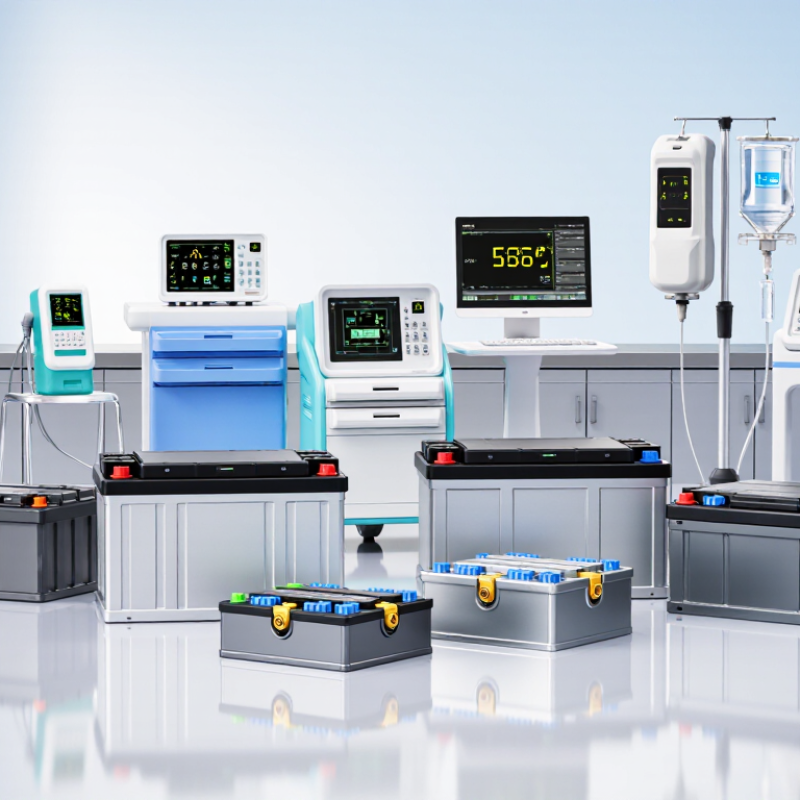
2026 Best Medical Device Battery Packs for Global Buyers?

Medical Device Battery Pack Fundamentals and Core Design Requirements

Medical device battery packs are more than cells inside a plastic enclosure. They are power systems that must support safe, predictable operation during alarms, transport, and unexpected delays. Design begins with the device’s load profile, not its advertised battery capacity. Engineers should measure startup surges, standby current, charging time, and worst-case operating temperature. A pack rated for 2,000 mAh may deliver much less capacity under cold conditions or repeated high-current pulses.

Core requirements include cell selection, protection circuitry, thermal control, and mechanical stability. A battery management system should monitor voltage, current, temperature, and abnormal charging behavior.

Redundant protection can reduce risks from overcharge, short circuits, and excessive discharge. Connectors need secure locking, clear polarity, and resistance to repeated handling. The enclosure should limit movement, protect against fluid entry, and remain compatible with the device’s cleaning process.

Small details matter. A loose thermistor can distort safety decisions.

Reliable development also requires documented verification and traceability. Testing should cover cycle life, aging, vibration, drop events, humidity, and transport conditions. Relevant medical-device risk controls and battery safety standards must be reviewed for the target market. Certification alone is not enough; integration testing remains essential. A pack may pass laboratory tests yet fail when a motor starts beside a sensitive sensor. Real-world usage exposes weak assumptions. Our own early designs have sometimes trusted nominal capacity too much, while overlooking cable losses and connector wear. That is a useful warning for global buyers comparing specifications.

Battery Chemistry and Performance Comparison for Clinical Applications

For clinical devices, battery chemistry affects more than runtime. Lithium-ion packs usually provide high energy density, helping portable monitors stay lighter during transport. Their voltage remains relatively stable, but charging requires precise protection circuits and temperature monitoring. A damaged cell can become a serious thermal risk.

Lithium iron phosphate offers stronger thermal stability and long cycle life. It suits equipment used repeatedly, such as mobile diagnostic systems and emergency carts. However, its lower energy density may increase pack size. Nickel-metal hydride chemistry tolerates simpler handling and can perform reliably in some established devices. It is heavier, though, and may lose charge during storage. Small details matter.

Clinical buyers should compare usable energy, not only advertised capacity. A pack rated at 10 Ah may deliver less under high current, cold conditions, or aging. I have seen specifications look excellent on paper, yet fail during startup loads. That gap deserves attention. Check cycle testing, low-battery warnings, connector durability, charging time, and cell balancing. Verify performance at the device’s real operating temperature. Also review transport documentation and local medical-device requirements before purchase. A battery that passes a laboratory test may still frustrate nurses when replacement takes too long. Manufacturers and buyers should record failure data instead of hiding inconvenient results. Mistakes happen. The important question is whether the design learns from them.

2026 Best Medical Device Battery Packs for Global Buyers? – Battery Chemistry and Performance Comparison for Clinical Applications
Typical engineering ranges for medical-device battery packs. Actual performance depends on cell design, pack configuration, battery-management system, operating profile, transport requirements, and applicable regional regulations.
Battery Chemistry Rechargeable? Typical Pack-Level Energy Density Typical Nominal Voltage per Cell Typical Cycle Life* Power and Pulse Capability Safety and Thermal Profile Clinical Applications and Buyer Fit Key Purchasing Considerations
Lithium-ion NMC
(Nickel-Manganese-Cobalt)
Yes Approximately 120–180 Wh/kg 3.6–3.7 V Approximately 500–1,000 cycles to about 80% capacity High energy density with good continuous and short-duration pulse performance when correctly designed Requires cell balancing, over-charge protection, over-discharge protection, temperature monitoring, and a suitable battery-management system. Higher thermal-management demands than LFP. Portable patient monitors, infusion systems, mobile ultrasound, transport ventilators, surgical equipment, and other weight-sensitive devices. Verify thermal validation, pack-level safety design, remaining-capacity accuracy, shipping classification, and service-life requirements.
Lithium Iron Phosphate
(LiFePO4 / LFP)
Yes Approximately 90–150 Wh/kg 3.2–3.3 V Approximately 2,000–5,000 cycles to about 80% capacity Strong continuous-current capability and stable performance for repeated charge-discharge operation Generally better thermal stability and lower oxygen release risk than many cobalt- or nickel-containing lithium-ion chemistries. A battery-management system is still required. Hospital carts, mobile diagnostic equipment, emergency equipment, powered medical furniture, backup systems, and devices prioritizing long service life. Allow for greater pack weight and volume. Confirm low-temperature charging limits, state-of-charge estimation accuracy, and charger compatibility.
Lithium-ion LCO
(Lithium Cobalt Oxide)
Yes Approximately 130–200 Wh/kg 3.6–3.7 V Approximately 300–800 cycles to about 80% capacity High energy density; moderate power capability depending on cell construction Requires robust protection against over-charge, overheating, mechanical damage, and internal short circuits. Less attractive for high-power or high-cycle-duty designs. Compact, low-to-moderate-power portable instruments where size and weight are more important than very long cycle life. Review thermal-abuse testing, cycle-life assumptions, replacement intervals, and whether a different lithium chemistry offers a better safety margin.
Lithium Titanate
(LTO)
Yes Approximately 50–90 Wh/kg Approximately 2.3–2.4 V Approximately 5,000–15,000 cycles Very high charge and discharge capability; suitable for frequent short recharge events Strong thermal stability and low risk of lithium plating during appropriately controlled fast charging. Lower energy density increases pack size and weight. High-utilization hospital transport equipment, rapid-turnaround devices, and systems requiring very long operational life and frequent charging. Confirm charger design, series-cell configuration, energy-to-weight trade-off, and long-term cost of ownership.
Nickel-Metal Hydride
(NiMH)
Yes Approximately 60–100 Wh/kg 1.2 V Approximately 300–700 cycles Moderate power capability; voltage falls progressively during discharge No lithium thermal-runaway mechanism, but cells can generate heat during overcharge and require appropriate charging control. Higher self-discharge than most lithium-ion systems. Legacy medical equipment, devices with existing NiMH charging architecture, and applications where lithium battery adoption is restricted by design or policy. Account for heavier packs, memory-effect concerns in some operating conditions, storage losses, and charger replacement needs.
Sealed Lead-Acid
(SLA / VRLA)
Yes Approximately 30–50 Wh/kg 2.0 V Approximately 200–500 cycles, depending on depth of discharge and temperature Good short-duration current delivery but poor energy-to-weight ratio Non-spillable when correctly specified and installed; requires ventilation considerations, overcharge control, and protection from deep discharge. Performance declines at low temperatures. Stationary medical backup, emergency power, larger equipment, and applications where low initial cost and established infrastructure are important. Evaluate weight, footprint, replacement frequency, transport handling, battery recycling, and deep-discharge protection.
Lithium-Thionyl Chloride
(Li-SOCl2)
No
(Primary)
Approximately 300–500 Wh/kg at cell level; pack value is lower after protection and integration Approximately 3.6 V Not applicable; single-use primary cell Excellent energy retention and low continuous-drain capability; high pulses may require a hybrid pulse capacitor or a specially designed cell. Requires protection against short circuit, improper charging, and excessive pulse demand. Must not be connected to a rechargeable charging system. Long-life memory-backed devices, remote patient-data equipment, implantable or semi-implantable specialty designs, and low-power monitoring systems. Check pulse profile, passivation behavior, shelf life, end-of-life strategy, transport rules, and safe replacement procedures.
Alkaline
(Primary)
No
(Primary)
Approximately 80–150 Wh/kg at cell level 1.5 V Not applicable; single-use primary cell Suitable for low-to-moderate intermittent loads; voltage decreases during discharge and high-current performance is limited compared with many lithium rechargeable packs. Generally stable in normal use, but leakage risk increases with age, deep discharge, heat, or mixed-cell use. Low-cost, low-duty-cycle accessories, emergency kits, and devices designed around readily available replaceable batteries. Use matched cells, define replacement intervals, prevent reverse insertion, and avoid mixing new and used cells or different chemistries.
*Cycle-life figures are typical laboratory or engineering ranges to approximately 80% of initial capacity and can vary substantially with depth of discharge, charge rate, temperature, storage time, and end-of-life criteria. For global medical-device procurement, confirm applicable requirements such as IEC 62133-2, IEC 60601-1 where relevant to the equipment, UN 38.3 transport testing, regional product regulations, and documented cell traceability.

Safety Standards, Certifications, and Regulatory Considerations Worldwide

Choosing medical device battery packs in 2026 requires more than checking voltage, capacity, and price. Safety evidence should match the device’s risk classification and intended use. IEC 60601-1 may apply to medical electrical equipment, while IEC 62133-2 supports rechargeable lithium battery safety assessment. UN 38.3 testing is essential for transporting lithium batteries internationally. These standards address different risks. One certificate rarely proves full compliance.

Global buyers should review CE marking requirements under applicable European medical device rules, FDA expectations in the United States, and UKCA obligations where relevant. Other markets may request local registration, import documents, or authorized representatives. Ask suppliers for test reports, cell traceability, protection-circuit details, and production records. ISO 13485 certification can indicate controlled manufacturing, but it does not replace product-specific testing. Requirements change.

Tips: Request documents before approving samples. Check whether reports identify the exact battery model, revision, and test conditions. Examine thermal protection, overcharge control, short-circuit response, and enclosure strength. For a hospital cart, test charging near metal equipment and during repeated rolling movement. A battery that performs well in a laboratory may behave differently after months of use. I have found that missing revision numbers create unnecessary confusion. Confirm every document with an accredited testing body or qualified regulatory specialist. સ્થાનિક regulators may also require extra evidence, and this step is easy to underestimate.

How to Select Battery Packs for Different Medical Equipment

Choosing the right battery pack for medical equipment requires more than checking voltage and capacity. A portable monitor may need stable power during patient transport, while an infusion pump may require predictable runtime and low-noise operation. Confirm the equipment’s voltage range, peak current, connector type, charging method, and battery compartment size. A pack with higher capacity is not always better. It may add weight, heat, or charging time. Not every requirement is obvious.

Tips: Record the device’s real energy use during startup and normal operation. Test the battery with alarms, displays, wireless functions, and accessories active. Check whether staff can replace or charge it safely. Consider cleaning procedures, vibration, temperature changes, and storage periods. Ask for capacity test data, protection features, cycle-life results, and traceable quality documents.

Field evaluations often reveal practical problems that specifications miss. A battery can pass a short bench test but fail during a long transfer. Another common mistake is selecting a custom connector without confirming service access. Reliable packs should include protection against overcharge, deep discharge, overheating, and short circuits. They also need clear status indicators and consistent charging performance. I have found that emergency runtime estimates are often too optimistic. Build a safety margin, then validate it on the actual equipment. Have qualified technical personnel review compatibility and applicable medical electrical requirements before deployment.

Global Purchasing, Supplier Evaluation, and Lifecycle Management

2026 Best Medical Device Battery Packs for Global Buyers?

Global Purchasing, Supplier Evaluation, and Lifecycle Management

The best medical device battery pack is not always the highest-capacity option. It must match the device’s voltage, current profile, enclosure, connector, and charging system. In practical sourcing work, buyers should request cell specifications, protection settings, test reports, and production traceability. A sample pack should operate at expected temperatures, not only in a comfortable laboratory.

Supplier evaluation needs evidence. Review manufacturing controls, quality certifications, change-notification procedures, and corrective-action records. Confirm whether the supplier can support required transport documentation and applicable battery safety standards, such as UN 38.3 and IEC 62133-2. Requirements vary by market and device classification. Local regulatory review remains necessary.

Test the details.

Lifecycle planning often receives less attention than price. Track battery age, cycle count, storage conditions, field failures, and replacement demand. Ask how long the supplier will preserve tooling and provide compatible components. A battery management system may require software validation after any pack revision. Small connector changes can interrupt production.

A spreadsheet can look complete while hiding weak evidence. I would challenge capacity figures measured under mild conditions. Real devices may face cold wards, frequent alarms, or long standby periods. One practical weakness remains: forecasts are rarely perfect. Buyers should keep approved alternatives, review failure trends quarterly, and document every engineering change before release.

FAQS

What should guide medical equipment battery pack selection?

Start with the equipment’s real load profile, not its advertised capacity. Measure startup surges, standby current, alarms, displays, and accessories. A higher-capacity pack may add weight, heat, and charging time. Test actual equipment use.

Why can rated capacity differ from usable capacity?

Cold temperatures and repeated high-current pulses can reduce available energy. Cable losses, connector wear, and aging also matter. A 2,000 mAh rating is not a guaranteed runtime. Early estimates can be wrong.

Which protection features should a battery pack include?

The pack should monitor voltage, current, and temperature. Protection should address overcharging, deep discharge, overheating, and short circuits. Redundant safeguards can reduce risk. A loose thermistor may create unsafe decisions.

How should compatibility with medical equipment be checked?

Confirm voltage range, peak current, connector type, charging method, and compartment size. Check polarity and locking strength. Verify service access before choosing a custom connector. Small details matter.

What environmental conditions require battery testing?

Test cold and warm temperatures, humidity, vibration, drops, transport, and storage periods. Include cleaning procedures and possible fluid exposure. A short bench test may miss failure during a long transfer. Test it cold.

How can emergency runtime be estimated more realistically?

Record energy use during startup and normal operation. Run alarms, displays, wireless functions, and accessories during testing. Add a safety margin, then validate runtime on the actual equipment. Do not trust optimistic estimates.

What mechanical features improve battery pack reliability?

The enclosure should limit cell movement and resist expected fluid entry. Connectors need secure locking and clear polarity markings. Components should tolerate repeated handling. Cable strain deserves attention too.

Is certification alone enough for deployment?

No. Certification supports safety evaluation, but integration testing remains essential. A pack can pass laboratory tests yet interfere with sensitive equipment during motor startup. Qualified technical personnel should review compatibility and applicable requirements. Recheck assumptions.

Conclusion

Choosing the right Medical Device Battery Packs is essential for the reliable, safe, and continuous operation of modern healthcare equipment. This guide explains the fundamental design requirements, including power capacity, voltage stability, operating temperature, size, weight, rechargeability, and expected service life. It also compares common battery chemistries according to clinical needs, helping buyers balance energy density, cycle performance, safety, and cost.

The article further examines international safety standards, certification expectations, transport considerations, and regulatory responsibilities. It outlines how battery packs should be selected for equipment such as patient monitors, portable diagnostic devices, infusion systems, and emergency equipment. For global purchasing, the guide emphasizes supplier assessment, quality control, documentation, traceability, warranty support, replacement planning, and responsible lifecycle management. By considering technical performance, compliance, supply continuity, and long-term maintenance together, healthcare organizations can make informed purchasing decisions and reduce operational risks.


Ethan

Ethan

Ethan is a dedicated marketing professional with a strong understanding of the company’s products, services, and market strategy. With a passion for clear communication and practical value, he regularly updates the company website with insightful blog articles that help readers better understand......