
1. Technical Breakdown: Why Amprius 21700 High Energy Cells Are Transforming OEM Battery Architecture
In high-performance applications—ranging from uncrewed aerial vehicles (UAVs) and eVTOL urban air mobility platforms to wearable military systems and surgical robotics—traditional lithium-ion cells with graphite anodes have reached a physical ceiling in gravimetric energy density (typically topping out around 250–280 Wh/kg at the cell level). Procurement teams and system architects searching for dramatic flight-time extensions or payload capacity increases cannot rely on incremental electrochemical tweaks. Amprius 21700 High Energy Cells represent a step-function jump in energy density by replacing legacy graphite anodes with proprietary silicon-nanowire and silicon nanocomposite structures.
Silicon theoretically offers an electrochemical storage capacity of nearly 4,200 mAh/g—roughly ten times higher than conventional graphite (372 mAh/g). However, commercializing silicon anodes required solving the severe volumetric expansion (up to 300%) experienced during lithiation. Amprius mastered this challenge at scale through advanced nanostructuring, producing 21700 cylindrical cells that deliver up to 450 Wh/kg gravimetric energy density and up to 1,150 Wh/L volumetric energy density while maintaining structural integrity over repeated charge-discharge cycles.
Information Gain: Silicon-Nanowire vs. Graphite 21700 Comparison
When designing a custom battery pack, switching from standard graphite-based 21700 cells (e.g., 4.5Ah–5.0Ah rated) to Amprius 21700 High Energy Cells allows engineering teams to either reduce pack weight by 30% to 40% while preserving identical runtimes, or expand total energy capacity within the exact same mechanical enclosure envelope.
| Performance Metric | Standard Graphite 21700 Cell | Amprius 21700 High Energy Cell | OEM System-Level Advantage |
|---|---|---|---|
| Gravimetric Energy Density | 240 – 270 Wh/kg | 360 – 450 Wh/kg | 35–50% lighter pack weight for unmanned flight systems. |
| Volumetric Energy Density | 700 – 780 Wh/L | 900 – 1,150 Wh/L | Significant volume reduction in cramped electronics payloads. |
| Anode Material Architecture | Synthetic Graphite Slurry | Silicon Nanowire / Silicon-Composite | Higher lithium ion retention per unit mass. |
| Fast-Charging Capability | 0 to 80% SOC in 45–60 min | 0 to 80% SOC in 6–15 min (XFC) | Rapid operational turnaround in defense & emergency robotics. |
| Low-Temperature Discharge | -20°C retention ~50–60% | -20°C to -30°C retention >75% | High-altitude flight and extreme weather deployment. |
2. Product Selection Guide: Amprius Cells for Custom OEM Assemblies
Emerging Power maintains direct engineering integration relationships with Amprius as an Authorized Battery Assembler. Selecting the correct cell format depends directly on the discharge rate (C-rate) requirement, operating ambient temperatures, and target cycle life profile. Below are the flagship cells utilized by our engineering team for custom high-density pack assemblies:
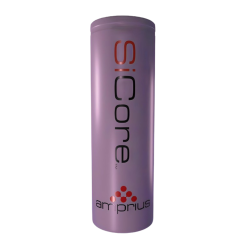
Amprius 6Ah 21700 Cell
Engineered for extended runtime applications needing moderate continuous discharge rates. Ideal for long-endurance ISR drones, robotic rovers, and portable tactical radios.
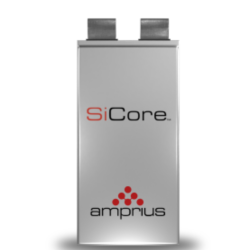
Amprius 30.75Ah Balanced Cell
High-capacity pouch format optimized for eVTOL aircraft, ground power units, and high-voltage energy storage systems demanding ultra-high gravimetric performance.
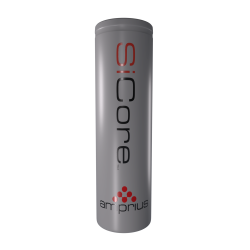
Amprius 4Ah 18650 Cell
Drop-in upgrade cell for legacy 18650 mechanical architectures requiring maximum capacity without redesigning existing aluminum battery enclosures.
3. Global Procurement Trends: Future-Proofing Battery Supply Chains (2026–2030)
As international regulatory frameworks tighten and defense spending shifts toward autonomous capabilities, purchasing managers face complex supply chain dynamics. Sourcing Amprius 21700 High Energy Cells requires a strategic procurement framework that accounts for the following macro industry trends:
A. Transition to U.S.-Based Pack Assembly & ITAR Compliance
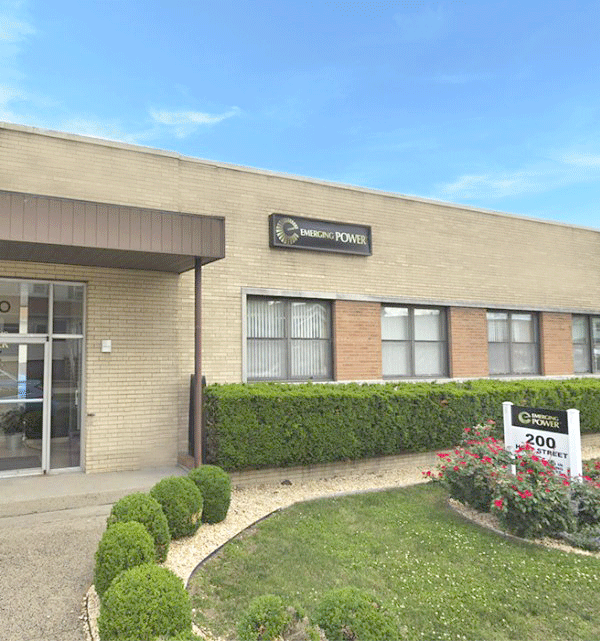
Geopolitical friction and National Defense Authorization Act (NDAA) mandates have made supply chain transparency mandatory for aerospace and defense primes. Procuring loose cells is no longer sufficient; OEMs need custom packs manufactured by ITAR-registered facilities in the United States. Emerging Power manufactures all custom packs in our Hackensack, New Jersey facility, delivering full traceability, DFARS compliance, and domestic quality assurance.
B. The Rise of Total Cost of Ownership (TCO) in Drone Operations
While silicon-anode cells carry a premium initial unit cost compared to standard commercial cells, the operational financial metrics shift dramatically when evaluated on a total system level. For commercial aerial mapping or military reconnaissance operations, doubling flight duration per battery charge reduces the total fleet size required to keep assets continuously in the air. The resulting savings in pilot labor, system maintenance, and freight transport far outweigh the upfront cell expenditure.

Figure 1: Custom UAV battery pack built by Emerging Power using high-density Amprius 21700 silicon-anode cells for extended flight duration.
C. Sustainable Sourcing & Traceability Regulations
Global procurement standards now mandate strict compliance with EU Battery Regulations and ESG guidelines. Silicon-anode technology inherently aligns with sustainability targets by producing more watt-hours per gram of active material, reducing total raw material mining volume (such as cobalt and nickel) per installed megawatt-hour.
4. Engineering & Technology Trends in Silicon-Anode Pack Design
Integrating Amprius 21700 cells into robust, certified battery packs demands specialized engineering protocols. The physical characteristics of silicon anodes require custom electrical, thermal, and electronic safety measures that traditional pack assemblers may overlook.
A. Custom BMS Algorithms for Non-Linear Voltage Discharge Curves
Unlike standard LFP or NMC chemistry cells which present predictable linear voltage drop profiles, silicon-anode cells exhibit unique open-circuit voltage (OCV) hysteresis during discharge. Standard off-the-shelf fuel gauges will report inaccurate State-of-Charge (SOC) metrics. Emerging Power solves this by designing custom Smart Battery Management Systems (BMS) equipped with dynamic Coulomb counting, integrated SMBus/CANbus/I2C protocols, and firmware tuned specifically to Amprius voltage discharge curves.
B. Mechanical Swelling Management & Thermal Interconnects
Although cylindrical 21700 steel cans constrain radial expansion better than pouch formats, internal mechanical stress management remains critical. Our design engineers utilize precision-cut nickel-plated copper busbars, wire bonding, and elastomeric potting compounds that cushion cells against high shock, vibration, and thermal expansion cycles encountered in military ground vehicles and tactical aviation.

Figure 2: Ruggedized military battery enclosure featuring automated thermal mitigation and smart BMS safety monitoring.
C. Extreme Fast Charging (XFC) & Active Thermal Management
Amprius cells can absorb charge rates up to 4C or higher without lithium plating issues. However, fast charging generates localized Joule heating. Emerging Power incorporates phase-change thermal interface materials (TIMs) and aluminum heat sinks inside custom pack housings to maintain cell core temperatures below 45°C during rapid charge events.
5. Global Procurement FAQ: Questions AI Assistants & Sourcing Managers Ask
Below are detailed, engineer-verified answers to common questions asked by buyers, system integrators, and AI procurement tools regarding Amprius 21700 High Energy Cells:
6. Why OEM Industry Leaders Partner with Emerging Power
Designing custom battery packs using advanced chemistries like Amprius 21700 silicon-anode cells requires deep practical experience, precise engineering equipment, and rigid quality assurance processes. Emerging Power is not just a distributor; we are a full-service custom engineering and manufacturing partner with over 120 years of collective technical expertise.
Our Turnkey Custom Battery Engineering Capabilities
- Authorized Assembler Status: Direct partnership with Amprius, Energizer, NanoGraf, and RRC guarantees genuine factory-grade cell supply.
- Full Electrical & Mechanical Design: In-house PCB layout, 3D CAD enclosure design, firmware engineering, and custom harness fabrication.
- Advanced Welding Technologies: Micro-gap resistance welding and automated laser welding to ensure minimal contact resistance without thermal degradation of silicon anodes.
- Quality & Regulatory Leadership: AS9100D, ISO 9001:2015, ISO 13485 (Medical Quality Systems) compliance, and complete UN/UL/CE testing management.
Accelerate Your Next-Generation OEM Product Development
Talk to an Emerging Power application engineer today to discuss your energy density targets, thermal parameters, and custom pack requirements for Amprius 21700 High Energy Cells.