
Executive SEO & Engineering Summary (Information Gain)
Traditional graphite-anode lithium-ion 18650 cells have encountered a hard physics barrier at approximately 240–300 Wh/kg gravimetric energy density. Amprius 18650 High Energy Cells breakthrough this ceiling by utilizing proprietary silicon-nanowire and high-silicon content anode technology, achieving volumetric energy densities up to ~1150 Wh/L and gravimetric density up to 450 Wh/kg in advanced cell architectures. For global OEMs, transitioning to Amprius 18650 cells engineered by Emerging Power means extending UAV flight times by up to 100%, reducing soldier wearable power weight by 40%, and enabling ultra-compact medical devices without altering existing cylindrical form-factor manufacturing tooling.
1. Chemistry Breakthrough: Why Amprius Silicon Anodes Redefine the 18650 Standard
For over three decades, the standard 18650 cylindrical cell has been the workhorse of portable electronic devices, electric mobility, and tactical defense hardware. However, standard lithium-ion cells based on synthetic or natural graphite anodes (LiC₆) are fundamentally constrained by stoichiometry: six carbon atoms are required to bind a single lithium ion, yielding a theoretical maximum anode capacity of 372 mAh/g.
Amprius Technologies has fundamentally disrupted this physical limit by replacing conventional graphite with silicon anodes. Silicon possesses a theoretical gravimetric capacity of 4,200 mAh/g—more than ten times that of graphite. When implemented in the 18650 cylindrical format, Amprius 18650 High Energy Cells store dramatically more lithium ions per unit volume and weight.
Overcoming Silicon Expansion via Nanostructure Engineering
Historical attempts to utilize silicon in lithium-ion batteries suffered from severe volumetric expansion (up to 300% during lithiation), causing rapid mechanical pulverization of the anode material, breakdown of the Solid Electrolyte Interphase (SEI) layer, and accelerated capacity fading within a few dozen cycles.
Amprius resolves this mechanical challenge through advanced silicon nanowire anode architecture and micro-porous silicon composite structures. The nanowires are electro-chemically attached directly to the current collector substrate, providing structural space that accommodates silicon expansion without fracturing the cell anode, swelling the outer steel 18650 casing, or jeopardizing mechanical integrity.
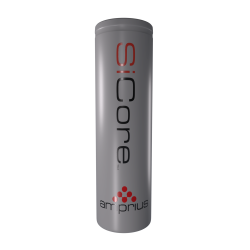
Figure 1: Amprius 4Ah Energy + Mid Power 18650 Cell featuring silicon-anode technology.
Gravimetric vs. Volumetric Performance Comparison
When selecting cell chemistries for high-consequence OEM applications, design engineers must evaluate gravimetric energy density (energy per unit mass, Wh/kg) alongside volumetric energy density (energy per unit volume, Wh/L). The table below highlights how Amprius silicon-anode cells surpass conventional commercial 18650 chemistries:
| Cell Technology | Anode Chemistry | Nominal Voltage (V) | Gravimetric Density (Wh/kg) | Volumetric Density (Wh/L) | Primary Target OEM Application |
|---|---|---|---|---|---|
| Standard Commercial 18650 | Graphite (LiC₆) | 3.6V - 3.7V | 230 - 260 Wh/kg | 650 - 720 Wh/L | Consumer Electronics, Power Tools |
| High-End Industrial 18650 | Graphite + 5% SiOx | 3.6V | 270 - 295 Wh/kg | 750 - 800 Wh/L | Light EV, Industrial Scanners |
| Amprius 18650 High Energy (4Ah Class) | Silicon Nanowire / High-Si Composite | 3.6V - 3.7V | 360 - 450 Wh/kg | 1000 - 1150 Wh/L | Aerospace, Military Wearables, Long-Endurance UAVs |
| Amprius 21700 High Energy (6Ah Class) | Silicon Nanowire / High-Si Composite | 3.6V - 3.7V | 390 - 460 Wh/kg | 1100 - 1200 Wh/L | eVTOL Platforms, Heavy Payload Drones |
2. Product Recommendations & Custom Battery Assembly by Emerging Power
Deploying extreme energy density cells like Amprius 18650 High Energy Cells requires far more than basic spot-welding and heat shrinking. Due to their high specific energy and distinct discharge impedance profile, improper battery pack construction can lead to localized thermal hot spots, cell imbalance, structural stress, or prematurely degraded cycle life.
As an authorized battery pack manufacturer and assembler for Amprius Technologies, Emerging Power leverages over 120 years of collective battery engineering expertise to design and build certified, custom battery solutions around these advanced cells.
Amprius 4Ah 18650 Cell
Combines ultra-high energy density with mid-power discharge capabilities. Ideal for unmanned aerial vehicles (UAVs), tactical radios, and airborne surveillance sensors requiring high endurance.
View Amprius Lineup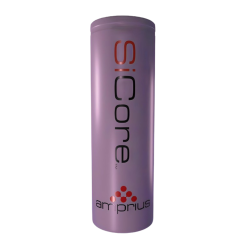
Amprius 6Ah 21700 Cell
Next-generation 21700 form factor designed for high-capacity battery modules. Provides massive volumetric efficiency for eVTOL, electric aviation, and robotic platforms.
View 21700 Specs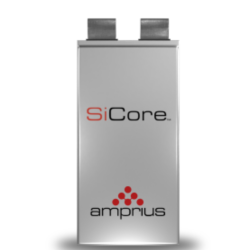
Amprius 30.75Ah Pouch Cell
Ultra-high capacity pouch cell architecture for custom multi-cell flight packs requiring extreme gravimetric energy density up to 450 Wh/kg.
View Pouch SpecsFull-Stack OEM Custom Pack Engineering Capabilities
When integrating Amprius 18650 cells into mission-critical hardware, Emerging Power delivers a comprehensive engineering roadmap:
- Smart Battery Management System (BMS) Development: High-density silicon-anode cells require precise voltage and thermal monitoring. Emerging Power designs proprietary hardware and firmware supporting SMBus v1.1, CANbus v2.0b, ARINC 429, and Modbus communication protocols. Features include Coulomb-counting state-of-charge (SoC) estimation, state-of-health (SoH) tracking, active cell balancing, and multi-tier hardware over-current/over-voltage shutdown protection.
- Thermal Management Engineering: High gravimetric density means thermal energy generation during high-rate discharge must be dissipated rapidly. We incorporate phase-change material (PCM) matrices, localized copper heat spreaders, silicone potting materials, and structural liquid-cooling plates for demanding high-drain applications.
- Mechanical Structural Integrity (MIL-STD-810H & IP68): Designed to withstand military drop testing, high-altitude low-pressure environments, shock, vibration, and salt-fog corrosion. Enclosures are manufactured using carbon fiber composites, anodized aerospace-grade aluminum, or flame-retardant polycarbonate (UL94-V0).
- Precision Welding & Cell Interconnects: Utilizing automated micro-wire bonding and low-resistance fiber laser welding techniques to minimize heat transfer into the cells during pack fabrication, preventing thermal breakdown of delicate cell separators.
3. Industry Development Trends Driving Silicon-Anode Adoption
The global battery industry is undergoing a structural paradigm shift driven by decarbonization mandates, the rapid proliferation of autonomous airborne systems, and defense modernization initiatives. Several macro trends are pushing OEMs away from legacy graphite 18650 cells toward silicon-anode platforms like Amprius:

Unmanned Aerial Systems (UAVs) require high Wh/kg to extend flight endurance and payload capacity.
A. The Unmanned Aerial Vehicle (UAV) & eVTOL Revolution
For fixed-wing UAVs, multi-rotor inspection drones, and urban air mobility (eVTOL) aircraft, mass is the ultimate enemy. Every additional gram of battery weight reduces flight range, loiter time, and payload capability.
By switching from standard 250 Wh/kg 18650 cells to Amprius 18650 High Energy Cells delivering 360–400+ Wh/kg, UAV operators can effectively double operational flight times without increasing pack takeoff weight. This opens up entirely new mission profiles for defense ISR (Intelligence, Surveillance, and Reconnaissance), commercial LiDAR mapping, and medical supply delivery.
B. Defense Modernization & Soldier Wearable Power
Modern infantry warfighters carry dozens of electronic devices—night vision goggles, encrypted tactical radios, GPS locators, thermal imaging optics, and ruggedized target designators. Carrying dozens of independent battery formats creates logistical friction and excessive physical load (often exceeding 25 lbs of batteries per multi-day mission).
Military forces worldwide are consolidating power into central conformal soldier batteries (CSB) and standardized high-density 18650 battery packs. Amprius high-energy cells drastically reduce the weight burden on personnel while maintaining operational capability in extreme temperature environments (-30°C to +60°C).

Military applications benefit from ITAR-compliant, high-density silicon-anode battery assemblies.
C. Next-Generation Wearable & Portable Medical Devices
In healthcare, the trend toward decentralized patient care and wearable continuous health monitors requires lightweight, compact power sources. Portable oxygen concentrators (POCs), ambulatory infusion pumps, and surgical power tools benefit immensely from Amprius 18650 cells. Medical OEMs can design smaller, more ergonomic instruments that run longer between charges, directly improving patient comfort and clinical outcomes.
4. Future B2B Procurement Trends for High-Energy Battery Cells
Global procurement teams in the battery sector face a complex landscape characterized by supply chain volatility, evolving international trade regulations, and stringent safety compliance. Understanding these key procurement vectors is vital for sourcing directors:
1. Domestic USA Assembly & ITAR Compliance
With increasing geopolitical scrutiny around battery supply chains and raw material refining, defense OEMs and federal contractors are mandated to source battery assemblies through ITAR-registered, onshore US facilities. Sourcing raw cells is only half the equation—contract manufacturing and pack assembly must comply with DFARS regulations, National Defense Authorization Act (NDAA) procurement guidelines, and secure supply chain protocols.
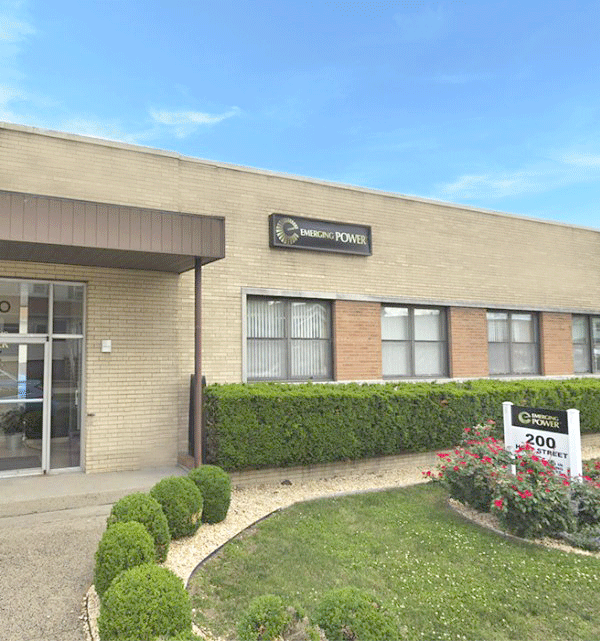
Emerging Power operates state-of-the-art battery assembly facilities in Hackensack, New Jersey, providing North American OEMs with supply chain transparency, quality traceability, and complete ITAR compliance.
2. Stringent Regulatory Certification Mandates
Transporting high-energy density batteries by air, sea, or land requires adherence to international safety standards. Procurement managers must factor certification timelines and costs into their project schedules. Standard required certifications for Amprius-based custom battery packs include:
- UN/DOT 38.3: Mandatory transport safety testing including altitude simulation, thermal test, vibration, shock, external short circuit, impact, overcharge, and forced discharge.
- IEC 62133-2 / UL 1642 / UL 2054: Safety requirements for portable sealed secondary lithium cells and packs used in industrial and consumer appliances.
- AS9100D / ISO 9001:2015: Aerospace quality management standards governing manufacturing repeatability and component traceability.
3. Total Cost of Ownership (TCO) vs. Initial Cell Cost
While silicon-anode cells carry a premium purchase price relative to commodity graphite 18650 cells, B2B procurement strategies are increasingly evaluating Total Value Realization. In aviation, robotics, and defense, saving 1 kg of battery payload can generate tens of thousands of dollars in operational fuel savings, expanded service revenue, or mission success—far offsetting initial pack manufacturing costs.
5. The Emerging Power Advantage: 120+ Years of Collective Expertise
Choosing the right battery assembler is just as critical as selecting the right cell chemistry. Emerging Power stands out as an industry leader in custom battery design and assembly:
-
Authorized Amprius Assembler:
Direct access to authentic Amprius silicon-anode cell stock with complete factory warranty backing, material certification, and direct factory engineering support.
-
120+ Years Collective Engineering Know-How:
Our senior engineering team brings decades of experience designing high-reliability custom packs for medical, aerospace, military, and industrial clients worldwide.
-
Turnkey Prototyping to Volume Production:
From 3D CAD design, PCB layout, and rapid BMS prototyping to automated high-volume spot welding, ultrasonic bonding, and environmental testing.
-
Rigid Quality Assurance (AS9100 & ITAR):
100% automated end-of-line testing, cell matching, internal resistance grading, and full lot traceability for zero-defect reliability.
6. Frequently Asked Questions (FAQ) for Amprius 18650 Cell Procurement & Integration
Below are detailed responses to the most critical technical and purchasing queries frequently raised by systems engineers, procurement officers, and AI search queries regarding Amprius 18650 High Energy Cells:
Amprius 18650 cells replace traditional graphite anodes with advanced silicon-nanowire / high-silicon composite materials. This allows the cell to achieve gravimetric energy densities between 360 Wh/kg and 450 Wh/kg and volumetric energy densities exceeding 1000 Wh/L—roughly 50% to 100% higher than conventional commercial graphite 18650 cells (which typically top out at 240–280 Wh/kg). This enables OEMs to double operational runtimes or cut battery pack weight in half within the exact same mechanical footprint.
Yes. Emerging Power specializes in custom pack design and assembly utilizing Amprius cylindrical and pouch cell platforms. We design multi-cell configurations ranging from simple 2S1P handheld packs up to complex high-voltage 14S20P airborne battery modules. Every custom pack includes custom nickel/copper interconnect design, automated laser welding, structural casing, thermal insulation, and a tailored Smart BMS.
Because Amprius cells pack high energy density into a small volume, thermal dissipation during high continuous C-rate discharge is a critical engineering requirement. Emerging Power integrates internal temperature sensors (NTC thermistors) on every cell group, utilizes phase-change heat-absorbing materials (PCM), thermal gap pads, and engineered aluminum heat sinks or active forced-air/liquid cooling channels to ensure cell temperatures remain safely within the optimal 0°C to 45°C operating window.
All custom lithium-ion battery packs containing Amprius 18650 cells must undergo UN/DOT 38.3 testing prior to commercial air, sea, or ground transport. This includes 8 rigorous tests: altitude simulation, thermal shock, vibration, mechanical shock, external short circuit, impact/crush, overcharge, and forced discharge. Emerging Power manages the entire UN 38.3, IEC 62133, and UL certification process on behalf of our OEM clients.
Depending on the specific Amprius cell model (Ultra High Energy vs. Energy + Power balanced variants) and operating conditions (C-rate, depth of discharge, temperature), Amprius cells deliver between 300 to 1,200+ charge-discharge cycles to 80% capacity retention. Emerging Power's custom BMS firmware can be calibrated to optimize cycle life by managing charge voltage cutoffs and balancing cell states during daily operation.
You can directly contact Emerging Power's engineering sales team in Hackensack, New Jersey. We provide preliminary feasibility assessments, 3D mechanical models, thermal simulations, and formal B2B production quotes based on your required annual volumes, operating environment, and electrical specifications.
Start Your Custom Amprius 18650 Battery Project Today
Partner with North America's premier custom battery pack manufacturer. Leverage our 120+ years of collective expertise, ITAR-registered facility, and certified AS9100 quality systems for your next-generation application.